How to Quickly Reduce Math Anxiety Using Games 2026
Many children don’t hate math. They fear it. You might see it when a child freezes during homework or avoids numbers completely. This is called math anxiety, and it can start early.
The good news is that it is reducible. And games are one of the best ways to do it. Let’s break this down and see how this works and how you can use it in real life.
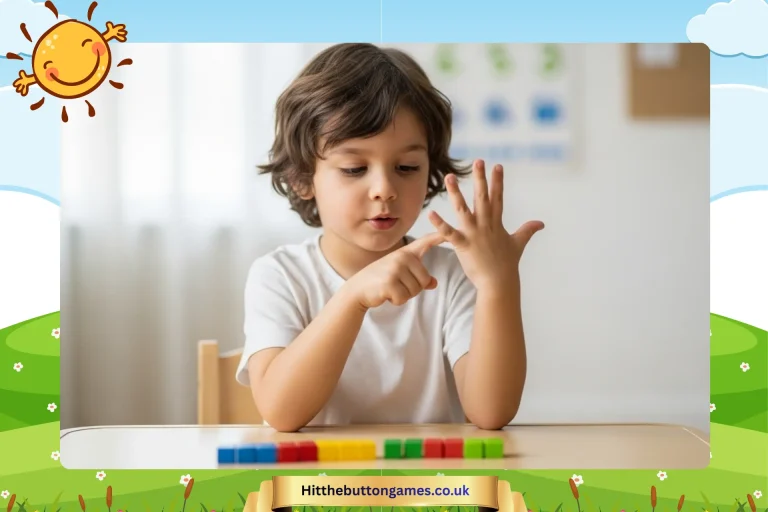
Math anxiety is a feeling of stress, fear, or nervousness when dealing with numbers or math problems. It is not about intelligence. Even smart students struggle with it.
Common math anxiety symptoms
- Sweating or nervousness during math tasks
- Avoiding homework or tests
- Negative self-talk like “I’m bad at math.”
- Trouble focusing when numbers are involved
These signs appear in both children and adults. Yes, math anxiety in adults is also very common.
Children who develop fear around math often carry it for years. This affects their confidence and even future career choices.
Studies in math anxiety research show that early support helps children:
- Build confidence faster
- Improve problem-solving skills
- Stay engaged in school
Ignoring it makes the fear stronger over time.
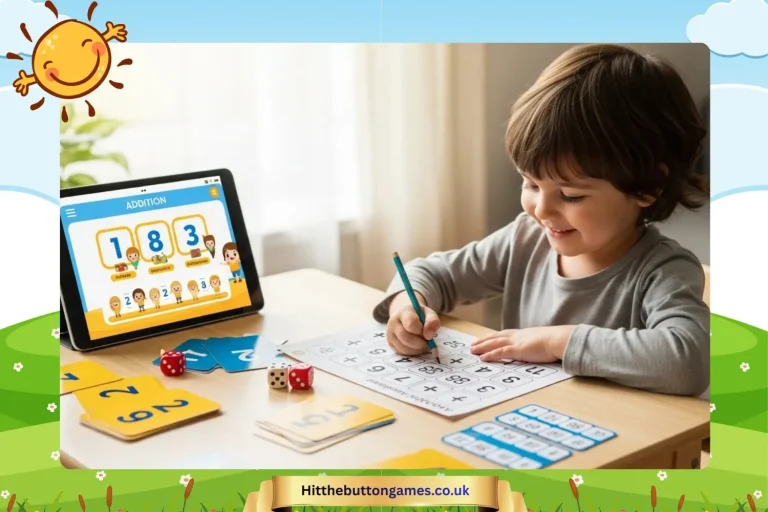
Games change how children see math. Instead of pressure, they feel curiosity. Instead of fear, they feel fun.
Here’s why games are powerful:
1. No-pressure environment
Mistakes are part of the game. Children don’t feel judged.
2. Active learning
Kids learn by doing, not just listening.
3. Instant feedback
They quickly see what works and what doesn’t.
4. Emotional shift
Games replace fear with excitement. This is key for long-term learning.
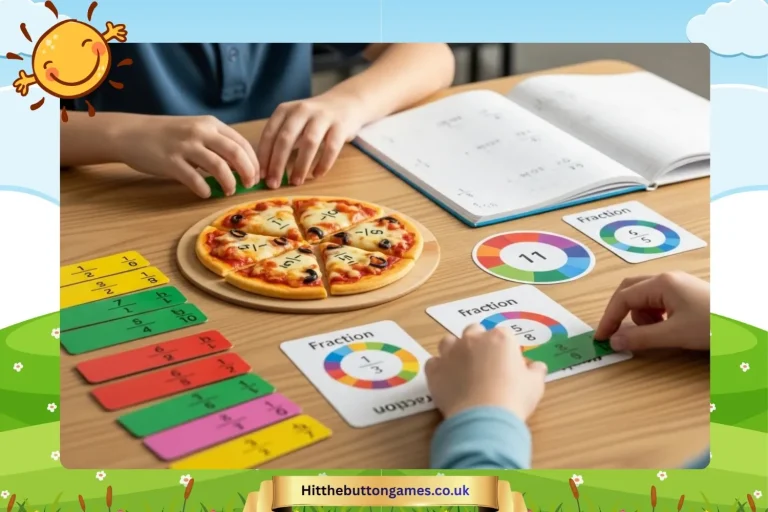
You don’t need expensive tools. Simple games work best.

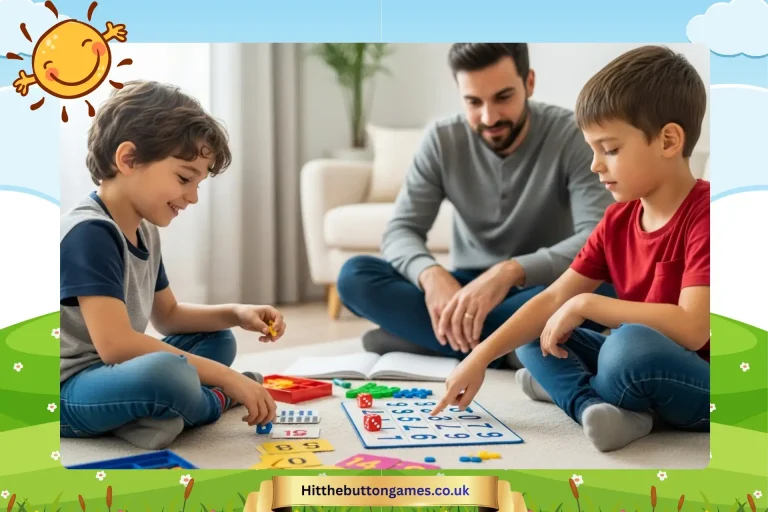
Board Games
Games like Monopoly or number-based board games build the following:
- Counting skills
- Money sense
- Strategic thinking
They also create family bonding, which reduces stress.
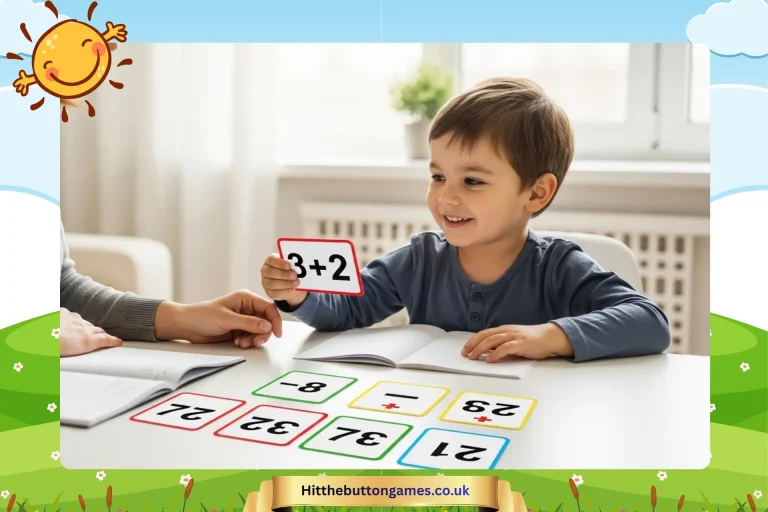
Card Games
Simple card games can teach math without kids noticing.
Try:
- Math War for addition and comparison
- Modified Go Fish for number pairs
These are easy to adjust based on skill level.
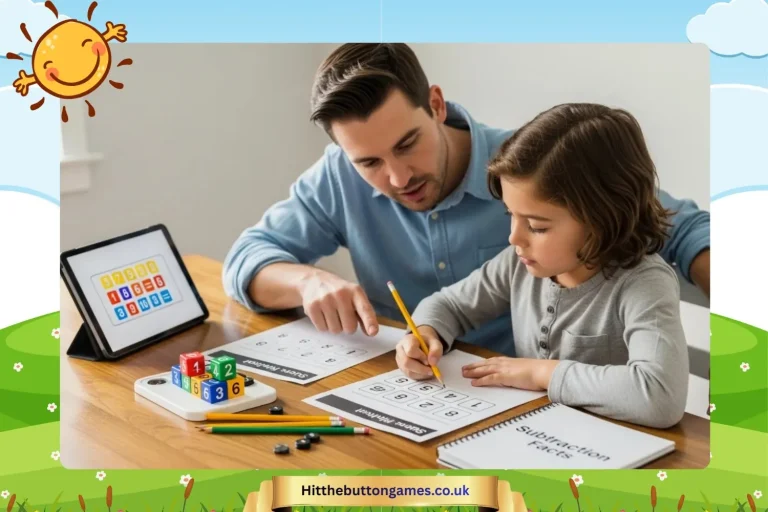
Digital Games
Apps and websites can be useful when used correctly.
Look for:
- Interactive challenges
- Progress tracking
- Level-based learning
Avoid games that are only flashy but don’t teach concepts.
Just playing games is not enough. How you use them matters.
Choose the right level
Too hard leads to frustration. Too easy leads to boredom.
Keep sessions short
15 to 30 minutes is enough. Consistency matters more than time.
Focus on learning, not winning
If you focus only on winning, anxiety can increase again.
Mix different types of games
Use board, card, and digital games for balance.
You don’t need a complex plan.
Try this:
- 15 minutes of a math game after school
- One longer game session on weekends
- Light review through fun quizzes
This builds a habit without pressure. These games will teach you basic math operations, which make things easy.
Games help, but your attitude matters even more.
What to do
- Praise effort, not just correct answers
- Stay calm when they struggle
- Share your own learning experiences
What to avoid
- Saying “This is easy”
- Comparing with other kids
- Showing frustration
Children pick up on your emotions quickly.
Too much competition
Competition can motivate some kids but stress others.
Ignoring learning styles
Some kids prefer visual games; others like hands-on activities.
Using games as a reward only
Make games part of learning, not just a treat.
You don’t need complex tools, but you can track improvement.
Watch for changes like:
- Less fear during homework
- More willingness to try
- Better focus
You can also use a simple math anxiety test to check improvement over time.
Sometimes games are not enough.
In such cases, consider:
- Professional support
- Structured math anxiety treatment plans
- Guided worksheets or a math-anxiety pdf workbook
These tools provide step-by-step support.

If you browse discussions like math anxiety on Reddit, you’ll notice a pattern.
Many people say:
- Their fear started in childhood
- They felt judged or embarrassed
- They avoided math for years
This shows how important early support really is.
Mostly yes, but results vary.
Works best for:
- Young learners
- Students with mild to moderate anxiety
May need extra help for:
- Severe anxiety cases
- Older students with long-term fear
Still, games are a great starting point for everyone.
Math anxiety is real, but it is not permanent.
Games give children a safe space to explore numbers without fear. Over time, this builds confidence and changes how they feel about math.
Start simple. Stay consistent. Focus on progress, not perfection. That’s how real learning happens.