Build a Powerful Daily Math Routine That Works 2026
Math is not hard, most people have problems with it. They flounder because it seems disconnected from the real world. If math is just homework, it will always be a drag.
That’s where a daily math routine changes the game. It makes math part of the everyday. Like eating or brushing your teeth. And when it is a habit, learning is easier and more natural.
Let’s walk through how to make this work in real life, without stress or boredom.
A daily math routine is simply a short, regular time where math practice happens every day. It can be 5 minutes or 30 minutes. What matters is consistency, not duration.
This works because the brain learns better with small, repeated practice. When math shows up daily, skills improve faster and confidence grows.
It also solve the fear problems. Instead of facing a big math session once a week, you deal with small and easy pieces every day.
The biggest mistake people make is doing too much too soon. A daily math routine should feel easy to start.
Begin with:
- 5 to 10 minutes per day
- One simple activity
- No pressure for perfect answers
For example, solve 3 quick problems after breakfast. That’s it. Once this feels normal, you can slowly add more.
You don’t need extra time. You just need to notice where math already exists.
Use Math During Daily Tasks
Daily activities are full of hidden math.
- Count items while cleaning
- Measure ingredients while cooking
- Check time while doing chores
This makes your daily math routine feel natural instead of forced.
Turn Shopping Into Practice
Shopping is one of the best real life math lessons.

- Calculate discounts
- Compare prices
- Add totals before checkout
This builds strong number sense and shows why math matters.
Add Quick Morning or Night Practice
Short routines work best when they happen at the same time every day.
Try this:
- Morning: 2 quick math questions
- Night: one simple math challenge
This keeps your daily math routine consistent without feeling heavy.
Fun is the key to long term success. If it feels like a chore, it won’t last.
Play Simple Math Games
You can use:
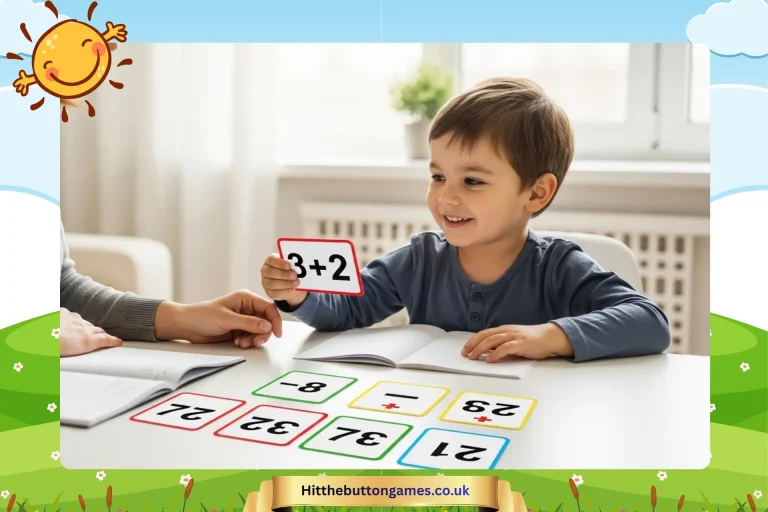
- Card games for quick calculations
- Board games that involve money or counting
- Mental math challenges
Games make your daily math routine something to look forward to.
Use Digital Tools Wisely
Apps and websites can help, but don’t rely on them fully.
Use them for:
- Practice quizzes
- Interactive learning
- Quick challenges
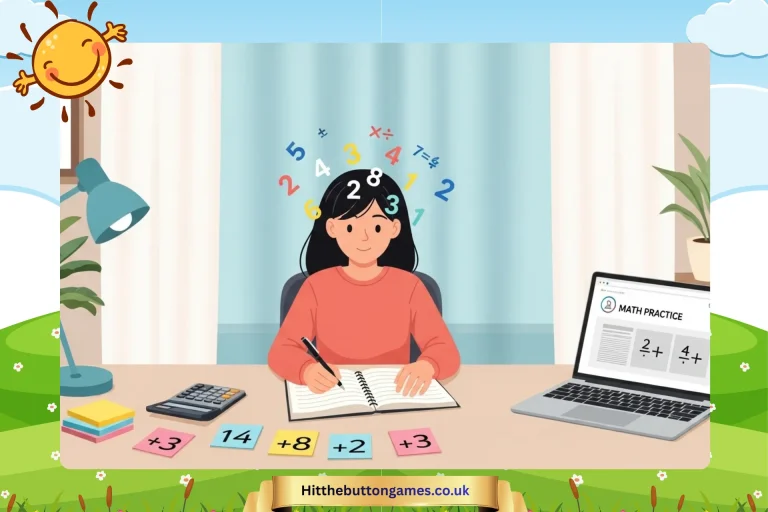
Keep screen time balanced with real life math activities.
A daily math routine works best when it becomes automatic.
Here’s how to build the habit:

- Pick a fixed time
- Keep it short
- Repeat every day
- Track progress
Even a simple checklist can help you stay consistent.
Many learners focus only on getting the right answer. That’s not enough.
Ask questions like:
- How did you solve it?
- Is there another way?
- Can you explain it?
This improves understanding and builds deeper skills within your daily math routine.
Doing Too Much at Once
Long sessions lead to burnout. Keep it short and regular.
Ignoring Real Life Math
If math only comes from books, it feels boring. Use real situations to keep it meaningful.
Focusing Only on Speed
Speed is not the goal. Understanding matters more. Improving Math Speed should come after you fully understand the concept, not before.
Skipping Days
Consistency is more important than intensity. A daily math routine only works if it’s truly daily.
Not everyone learns the same way.
- Visual learners: use charts or drawings
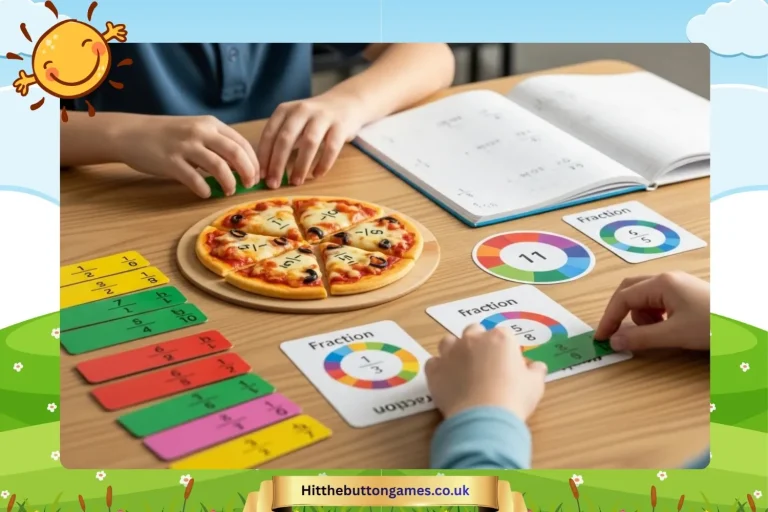
- Hands-on learners: use objects and tools
- Verbal learners: explain answers out loud
Adapting your daily math routine makes learning easier and more effective.
When done right, a daily math routine leads to:
- Better problem solving skills
- Faster calculations
- More confidence
- Less fear of math
- Stronger focus
These benefits go beyond school and help in real life decisions.

Here’s a basic plan anyone can follow:
- Morning: 3 quick math questions
- Afternoon: use math in a daily task
- Evening: one short game or challenge
This takes less than 20 minutes but delivers strong results over time.
Pros
- Easy to start
- Builds long term habits
- Reduces stress
- Improves understanding
Limitations
- Requires consistency
- Can feel boring without variety
- Needs adjustment for different learners
Being aware of these helps you stay on track.
Math doesn’t have to feel difficult or boring. When you build a simple and consistent daily math routine, it becomes part of everyday life.
Start small. Keep it regular. Make it practical and a little fun. Over time, you won’t just get better at math. You’ll feel more confident using it anywhere.