How to Reinforce Math Concepts Through Effective Games 2026
Math feels hard for many students because it often stays stuck on paper. Numbers, rules, and formulas can feel distant and boring. Games change that by turning math into something students can see, touch, and use in real time.
When students play, they stop worrying about getting the wrong answer and start focusing on solving problems. That shift makes learning stick.
In this guide, you will learn how games help reinforce math concepts, why they work so well, and how to use them at school or at home.
Math concepts are the core ideas behind math skills. They explain why math works, not just how to do it.
A basic math concepts list includes counting, addition, subtraction, multiplication, division, fractions, and measurement. As students grow, the list expands to include ratios, percentages, geometry, algebra, and data handling.
When students truly understand math concepts, they can apply them in new situations. That is the difference between memorizing steps and actually learning math.
Games create a low-pressure learning space. Students learn by doing, not by memorizing.
Games also repeat math skills naturally. Repetition helps learning, but drills feel boring. Games hide repetition inside fun challenges, so students practice more without realizing it.
Most importantly, games turn abstract ideas into real actions. Moving pieces, counting points, or solving puzzles helps students connect ideas to real outcomes.
Learning Through Action
Games require students to make decisions. Each move involves thinking, calculating, or predicting outcomes.
This active learning helps students remember math concepts and examples more easily than passive lessons. The brain remembers what it uses.
Making Mistakes Without Fear
In games, mistakes are part of play. Students can try again right away.
This reduces math anxiety and builds confidence. Students learn that errors are part of learning, not failure.
Building Strong Thinking Skills
Many games require planning and strategy. Students learn to think ahead and solve problems step by step.
These skills support math concepts for students at every level, from basic arithmetic to complex reasoning.
Board Games That Reinforce Core Skills
Board games like Monopoly, Ludo, or Snakes and Ladders use counting, addition, and subtraction.
Students manage money, track scores, and plan moves. These games quietly reinforce everyday math concepts.
Card Games for Mental Math
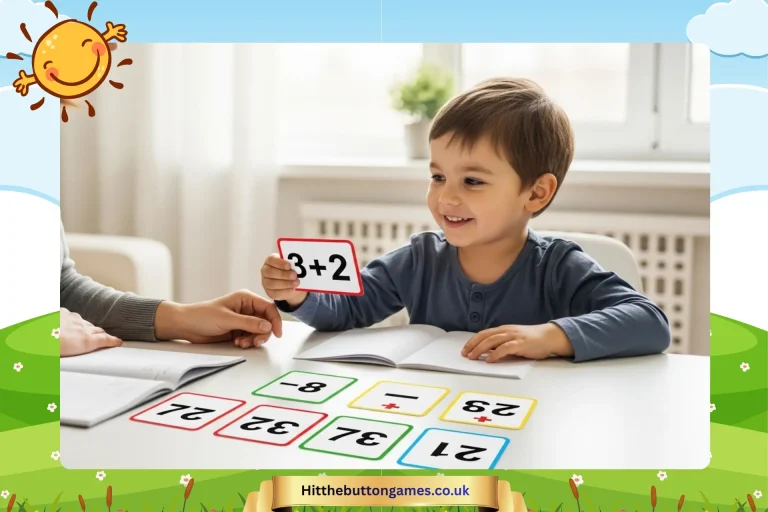
Card games like Uno, Math War, or simple number-matching games improve speed and accuracy.
Students practice adding, subtracting, and recognizing patterns. This builds strong number sense.
Puzzle Games for Logic and Reasoning
Puzzles like Sudoku, tangrams, and logic grids strengthen problem-solving skills.
These games support geometry, patterns, and logical thinking. They are especially helpful for higher-level math concepts for high school students.
Educational Math Apps
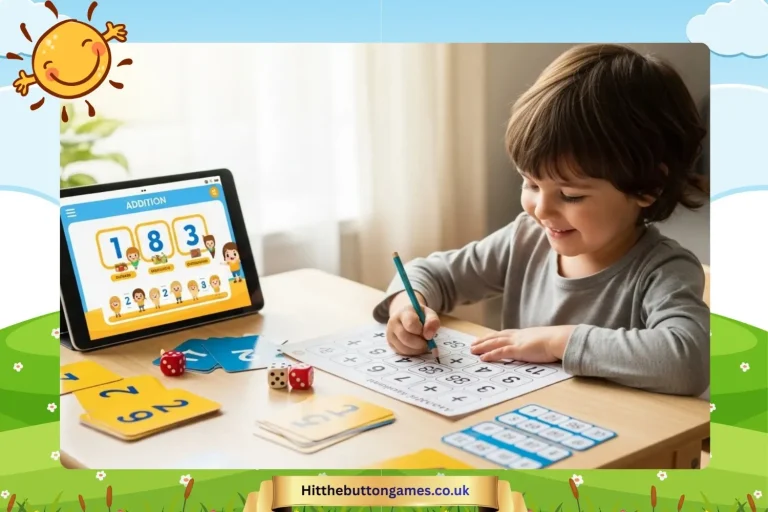
Many apps are designed to teach math through play. They adjust difficulty based on student performance.
This helps students progress at their own pace while reinforcing key math concepts.
Video Games With Hidden Math
Games like Minecraft involve measuring, counting, and planning.
Students use math naturally while building structures or managing resources. Learning happens without feeling forced.
Online Multiplayer Math Games
Team-based games encourage discussion and shared problem-solving.
Students explain ideas to each other, which strengthens understanding and communication skills.
Games work best when they support clear learning goals.
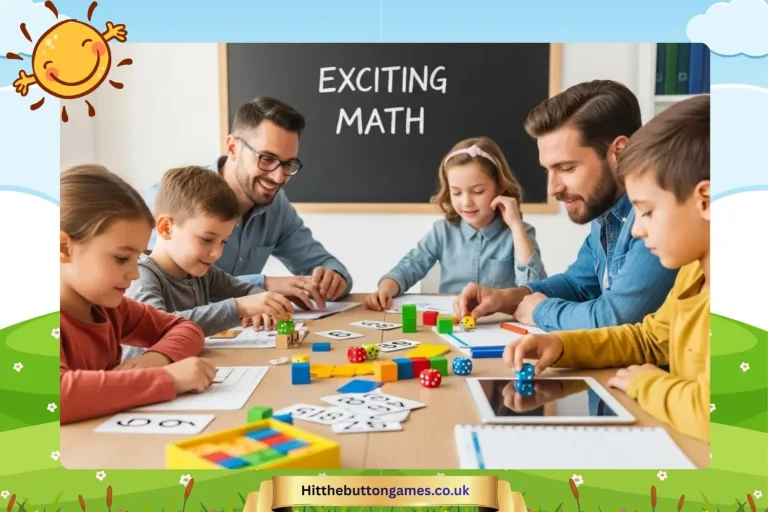
Teachers can use games as warm ups, practice activities, or review tools. Short game sessions often work better than long ones.

Games can also be used as informal assessments. Teachers can observe how students think, not just what answers they give.
Parents do not need special tools or training.
Simple activities like sorting objects, counting steps, or cooking together teach math naturally. Card and board games during family time also reinforce skills without pressure.
Homework can also feel less stressful when turned into a challenge or friendly competition.
Not all games fit every learner.
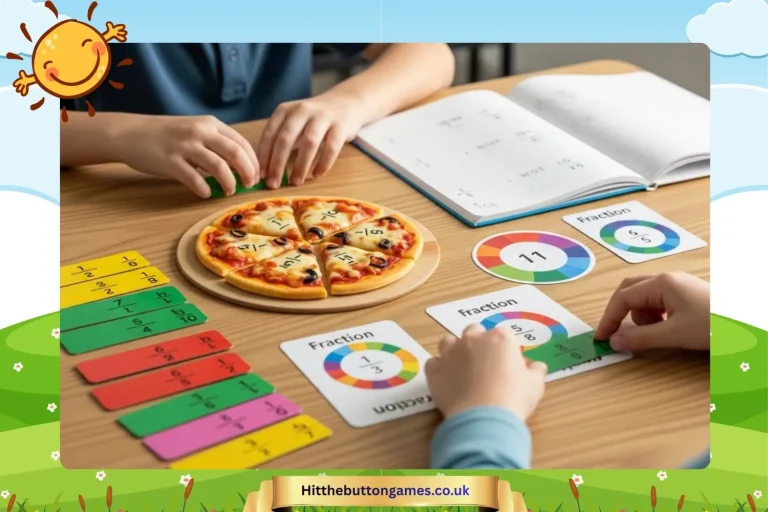
Younger students benefit from counting, matching, and shape games. Older students enjoy games involving fractions, algebra, or probability.
Games should grow with the child. Increasing complexity keeps learning challenging and interesting.
This approach supports long term progress across math concepts by grade pdf resources often used by schools.
Games help visual, auditory, and hands on learners.
Students who struggle with traditional lessons often succeed with games. Movement, visuals, and interaction help ideas click.
However, games should support learning, not replace instruction. Balance is important.
One common mistake is choosing games with no clear learning goal.
Another issue is using games too often without guidance. Students still need explanations and reflection.
Games work best when paired with discussion. Talking about strategies helps students connect play to math concepts.
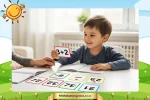
Many digital games track performance automatically.
Teachers and parents can also observe improvement through faster thinking, better strategies, and increased confidence.
Adjusting difficulty keeps students challenged without frustration.
Many educators use reference materials like math concepts pdf guides to support learning.
Resources such as a list of mathematical concepts pdf or math concepts college overview can help plan age appropriate games and lessons.
Using these alongside games creates a strong learning system. Simple math games make it easy for students to practice daily and stay engaged.
Math does not have to feel stressful or boring. Games turn learning into an experience where students explore, try, and grow.
By reinforcing math concepts through games, students build confidence, improve thinking skills, and develop a positive relationship with math. Whether at home or in the classroom, the right games can make math meaningful, practical, and enjoyable for every learner.