Fun Ways to Motivate Children to Practice Mathematics Daily
Many parents know the struggle. You ask your child to practice math, and the excuses start right away. Math feels hard, boring, or scary to many children. This reaction is common, and it does not mean your child is weak at math.
The good news is this. With the right approach, math can become something your child enjoys instead of avoids. When math feels fun, useful, and safe to try, children practice more without being forced.
This guide gives you easy and realistic ways to get kids to practice math every day, whether they’re at home or at school.
Short daily practice works better than long sessions once or twice a week. Children learn math skills step by step, and regular practice helps ideas stick.
Daily math also builds confidence. When children see progress every day, even small progress, they stop fearing mistakes and start trusting themselves.
Before fixing the problem, it helps to understand it.
Fear of Getting Answers Wrong
Many children think math is about being perfect. One wrong answer can make them shut down. This fear grows when mistakes are punished or rushed.
Math Feels Boring or Pointless
If math only exists in books and worksheets, Motivate children do not see why it matters. They lose interest fast.
Lessons Move Too Fast or Too Slow
When lessons do not match a child’s level, frustration begins. Some children feel lost, while others feel bored.
Motivation does not come from pressure. It comes from comfort, curiosity, and small wins.
Make Math Feel Safe to Try
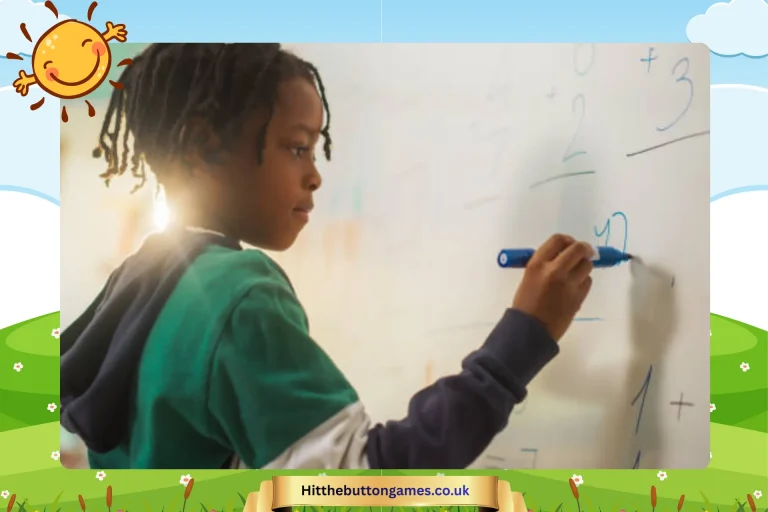
Tell your child that mistakes are part of learning. Praise effort, not just correct answers. This reduces anxiety and builds courage.
Focus on Progress, Not Speed
Some motivate children need more time. That is okay. Learning is not a race, and confidence grows when children feel respected.
Games change how children experience learning. When math feels like play, practice happens naturally.

Motivate Children Games at Home and School
Simple motivate children games like number puzzles, card games, and board games build math skills without stress. These games improve thinking and focus.
Motivate Children Games Online
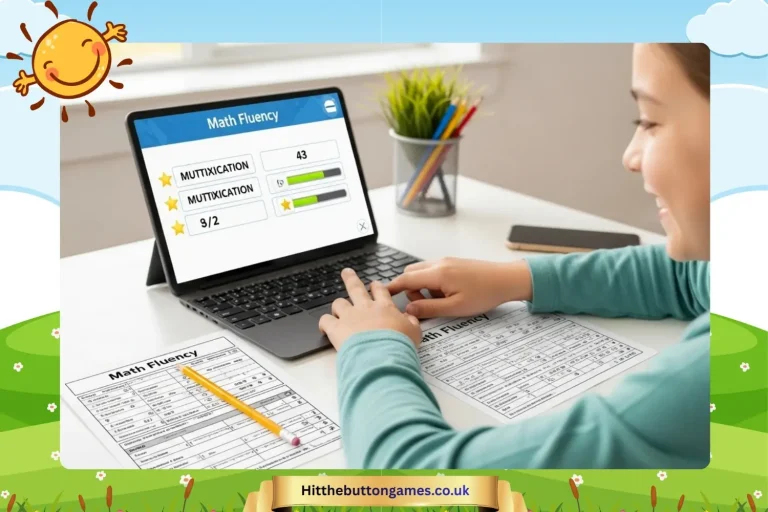
Motivate children games online help children practice math in a fun and interactive way. Many of these games use levels, points, and rewards to keep children engaged.
Educational Games Online Free for Daily Practice
There are many educational games online free that help children practice math daily. These games work well for short practice sessions and independent learning.
Interactive Online Games for Students
Interactive online games for students allow children to learn by doing. They answer questions, solve problems, and get instant feedback.
Not all children learn the same way or at the same level.
Educational Games for Students in Primary Grades
Younger children benefit from visual and playful games. Counting games, matching games, and simple challenges help them build strong basics.
Educational Games for High School Students
Educational games for high school students focus more on logic, problem solving, and real world math. These games help teens see how math applies beyond school.
Interactive Games for High School Students
Interactive games for high school students help them think more deeply. They often include planning, strategy, and real-life situations.
Screens are helpful, but they are not the only option. Explore fun ways to practice and visit Interactive Math Games to make learning exciting.
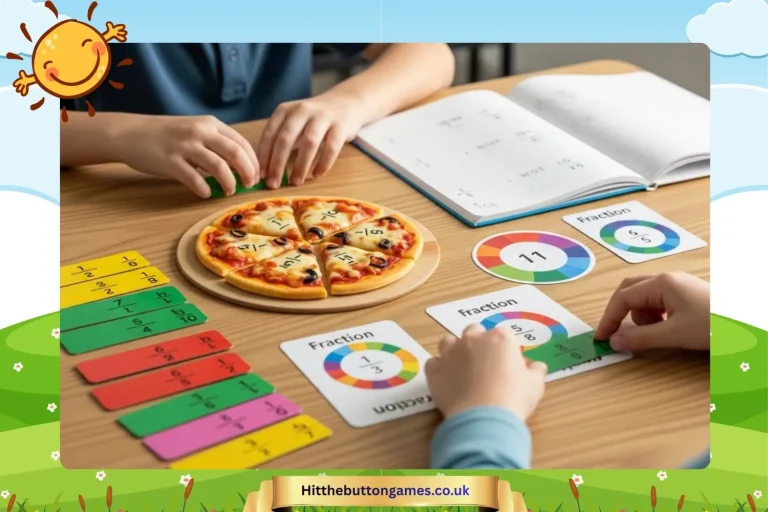
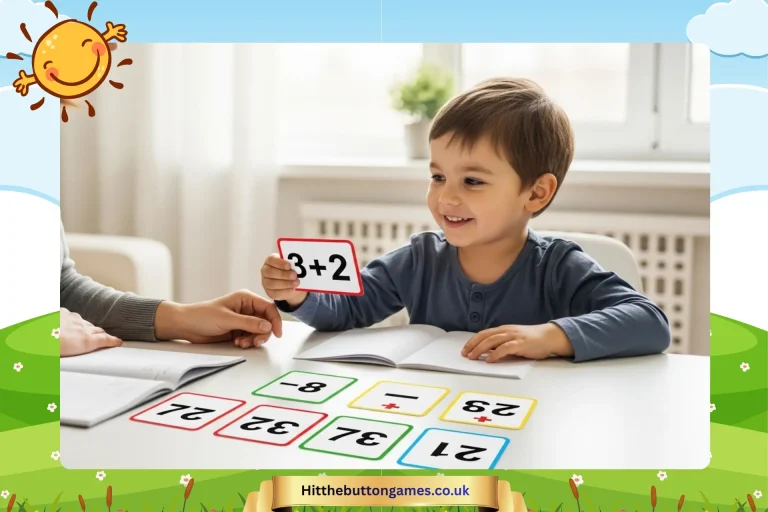
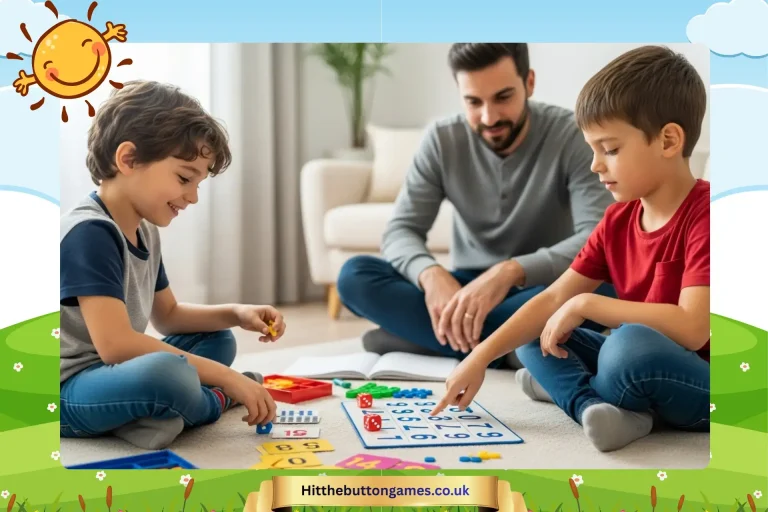
Offline interactive games for students include dice games, math cards, puzzles, and hands on activities. These games improve focus and reduce screen fatigue.
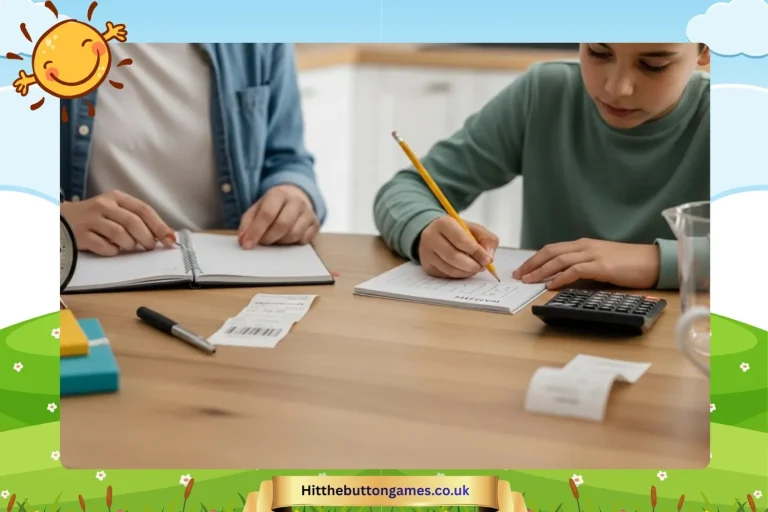
Simple examples include measuring ingredients while cooking or counting change during shopping.
Children feel more motivated when they feel involved.

Ask your child what they want to improve. Maybe it is multiplication or speed. Set small goals together and celebrate when they reach them.
You do not need special tools to create educational games for free.
You can use paper, flashcards, coins, or household items. Turn questions into challenges. Add points, levels, or small rewards.
When children help create the game, they feel proud and excited to play.
Fifteen to twenty minutes a day is enough for most children. Long sessions cause burnout.
Choose a calm time of day. Make math part of the routine, not a punishment.
Some children learn by seeing. Others learn by doing or listening.
Mix visual games, spoken questions, and hands on activities. This keeps learning balanced and fair.
Many parents push too hard without realizing it.
Avoid comparing your child to others. Avoid using math as a threat. Avoid rushing through lessons.
Instead, stay patient and positive. Your attitude shapes how your child feels about math.
Talk to your child’s teacher regularly. Ask what your child struggles with and what helps them learn.
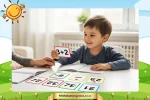
When home practice matches school learning, progress becomes faster and smoother.
Games reduce fear and increase focus. They turn practice into a habit instead of a chore.
Children who enjoy math games often practice longer without being asked. This leads to better understanding and stronger confidence.
Motivating children to practice math daily is not about forcing discipline. It is about creating the right environment.
When math feels fun, safe, and useful, children naturally want to learn. With games, routine, patience, and support, math can become a positive part of your child’s day.