Interactive Math Games for Young Learners 2026
Math doesn’t have to feel scary or boring for young children. Many kids lose confidence when lessons rely on repetitive methods. Interactive math games make learning more engaging by turning numbers into fun, hands-on activities.
As kids play, they build problem-solving skills, improve math understanding, and gain confidence, making math a natural part of everyday learning.
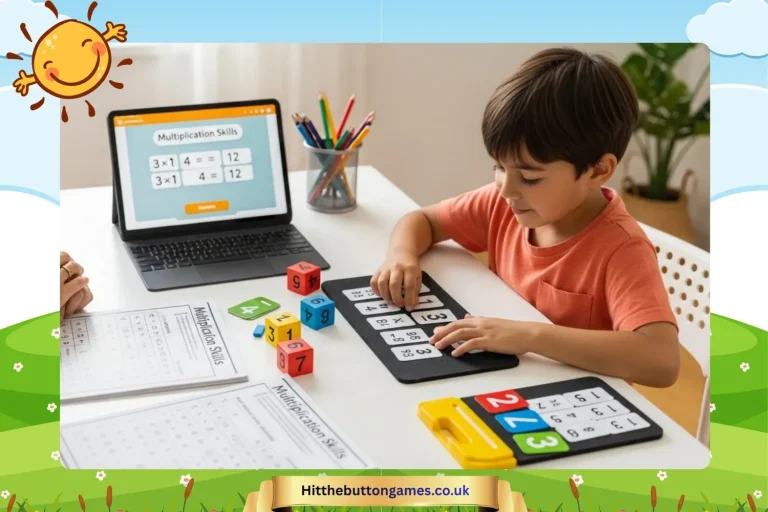
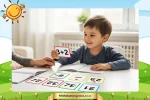
Interactive math games are activities where children actively take part instead of just watching or listening. Kids tap, move, count, choose answers, or solve challenges to move forward.
These games can be digital or offline. They include apps, websites, board games, card games, and classroom activities. The key idea is simple. Children learn by doing.
They Match How Children Learn
Young learners understand ideas better when they can see, touch, and try things themselves. Interactive math games turn numbers into actions, which makes learning feel natural.
They Reduce Math Fear
Many children feel nervous about math mistakes. Games remove this fear because errors feel like part of play, not failure.
They Improve Focus
Short challenges and clear goals help children stay engaged longer than worksheets or drills.
Stronger Number Sense
Games help children understand how numbers work together. This is more important than memorizing answers.
Better Problem Solving
Children learn to think, test ideas, and try again. These skills help in math and daily life.
More Confidence
Success in games builds belief. Children start saying, I can do this.
Supports Different Learning Styles
Visual learners enjoy colors and shapes. Active learners benefit from movement. Audio cues help others stay focused.
Early Learners and Preschool
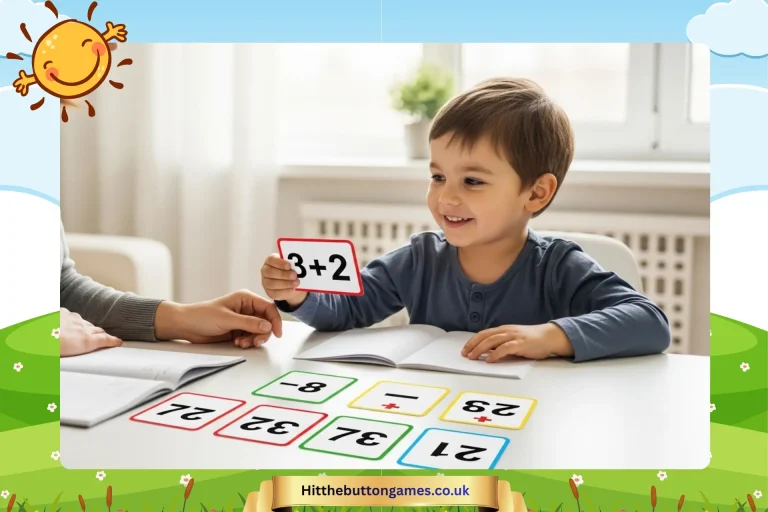
Simple counting, shapes, and matching work best. Games should be slow, colorful, and reward effort.
Math Games for Grade 3
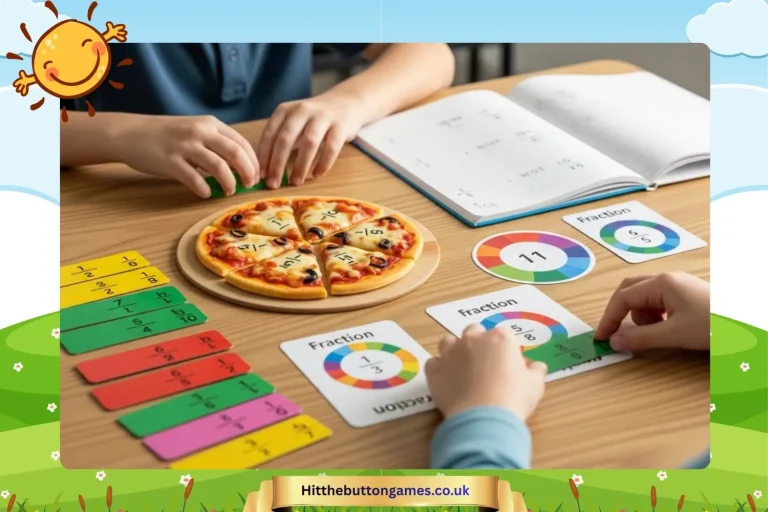
At this level, children work on multiplication, division, fractions, and word problems. Interactive math games for grade 3 should include short challenges and real life examples.
Math Games for Grade 4
Children can handle deeper thinking. Math games for grade 4 should include multi step problems, logic puzzles, and time based challenges.
Many parents and teachers look for interactive math games free of cost. Trusted platforms like Topmarks maths games offer activities for different ages and skills.
Online games are helpful because they are easy to access and update often. They are great for quick practice at home or in school.
Not all learning needs a screen. Math games offline are excellent for balance and physical movement.
Examples include
Dice games for addition and subtraction
Card games for number comparison
Board games that use counting and money
Math scavenger hunts around the classroom
These activities work well for children who learn best by moving and touching objects.
Classrooms are perfect places for interactive learning. Fun math games to play in the classroom keep students active and involved.
Teachers can use
Group challenges at learning stations
Timed quizzes with movement
Team based math races
Hands on problem solving tasks

These games also improve teamwork and communication.
Focus on Learning First
A good game teaches one clear skill at a time. Avoid games that feel exciting but lack real math practice.
Match the Child’s Level
Games that are too easy cause boredom. Games that are too hard cause frustration. Choose games that grow with the child.
Check Feedback
Reviews from parents and teachers help identify games that truly support learning.
Too Much Screen Time
Limit digital games and mix them with offline activities. Balance matters.
Using Games Only as Rewards
Games should be part of learning, not just a prize. Children learn more when games feel meaningful.
Ignoring Struggles
If a child keeps failing in a game, pause and explain the idea again in a simple way.
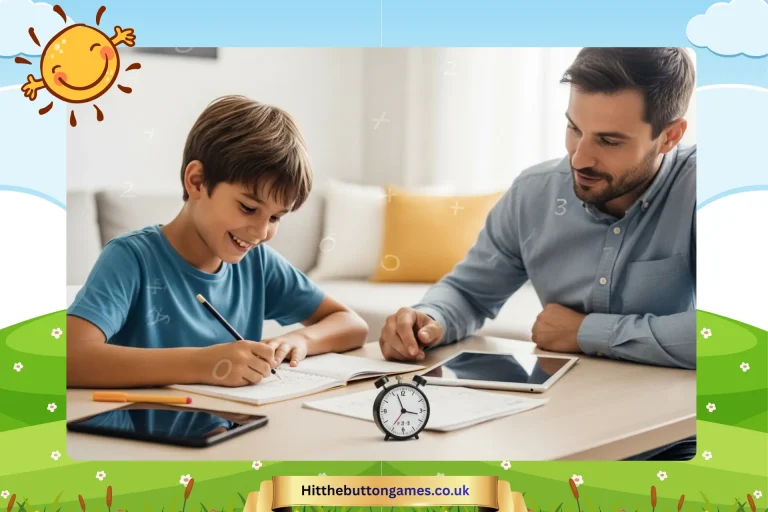
Parents can support learning by:
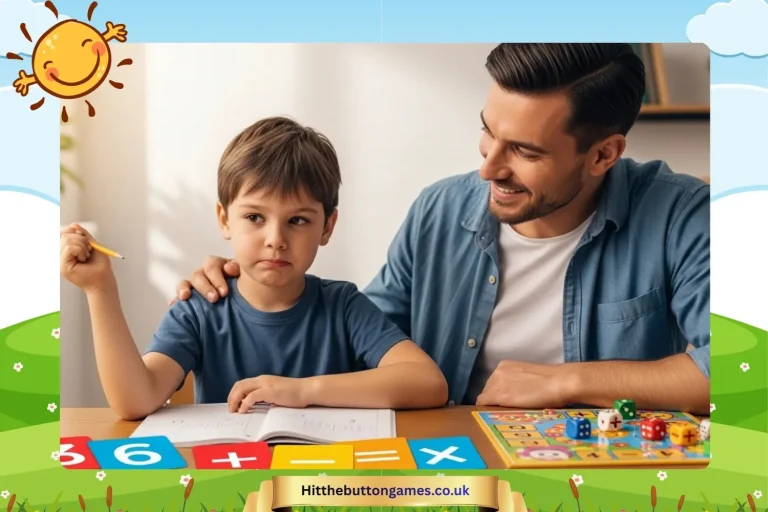
- Playing together and asking questions
- Linking games to daily tasks like shopping or cooking
- Keeping sessions short and positive
Learning works best when children feel supported, not tested.
Good interactive math games support all learners. Look for games with
Clear instructions
Visual support
Flexible speed
Simple language
These features help children with learning difficulties or attention challenges. You can also visit Best Free Math Practice Apps to find tools designed to support these learners even more.
Pros
Make learning enjoyable
Build strong foundations
Support independent practice
Limitations
They cannot replace teachers or parents
Some games focus more on fun than learning
Used wisely, games are a powerful tool, not a complete solution.
Interactive math games help children see math as something useful, fun, and achievable. They turn numbers into experiences and mistakes into learning moments.
When parents and teachers choose the right games and use them with purpose, children build skills that last far beyond the classroom. Math becomes less about answers and more about understanding, confidence, and curiosity.