Math Games That Improve Problem Solving Skills 2026
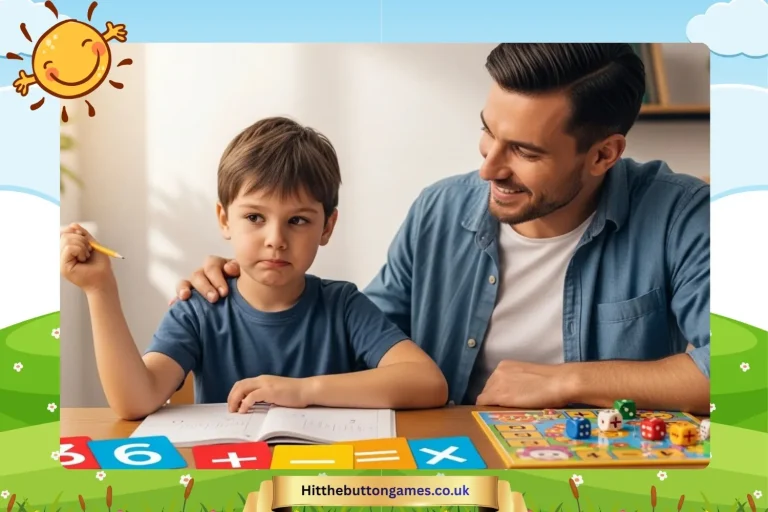
Have you ever seen a child freeze up when faced with a tricky math question? It’s not always about the numbers. A lot of it is confidence and the ability to solve problems.
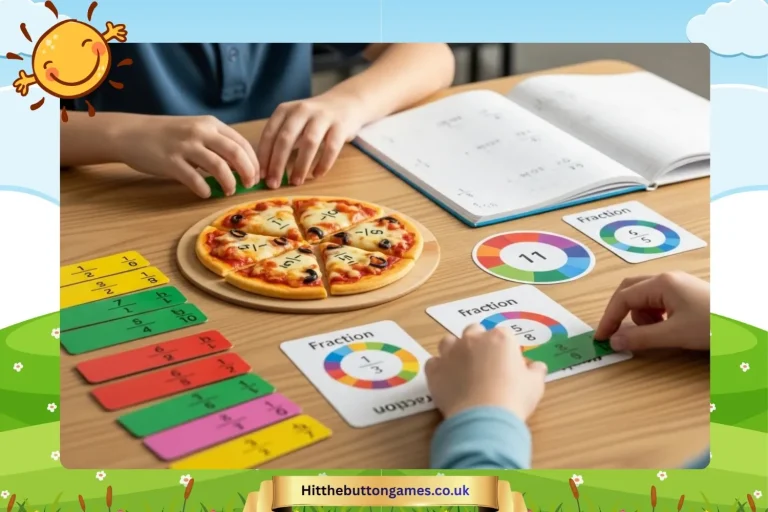
Math games can change that. They turn pressure into fun and empower students to think logically, try new ideas, and learn from their mistakes. Games can be a great tool to really help problem solving skills improve over time if used the right way.
Many parents and teachers ask, what is problem solving skills exactly?
Problem solving as a skill means the ability to understand a challenge, think of possible solutions, choose the best one, and try it out. If the first idea does not work, the person adjusts and tries again.
These skills are not only for math class. Students use them in daily life, sports, friendships, and later in problem solving skills in the workplace.
While experts may list them in different ways, most agree these seven are key:
- Identifying the problem
- Understanding the cause
- Breaking the problem into smaller parts
- Thinking of possible solutions
- Choosing the best solution
- Testing the solution
- Reflecting and improving
Hit the button Math games naturally guide students through these steps without making it feel like a lesson.
Traditional worksheets often focus on getting the right answer fast. Games focus on thinking.
In a game, students:
- Try strategies
- Make decisions
- Adjust when something fails
- Learn from results
This active process strengthens problem solving skills for students in a way that feels safe and enjoyable.
When students feel relaxed, their brains stay open to learning.
Think about these simple situations:
- A child builds a tower with blocks and it falls. They rebuild it differently.
- A student plans how to spend allowance money wisely.
- A team changes strategy during a sports game.
These are problem solving skills examples in real life.
Math games create similar situations using numbers, logic, and patterns. Students practice thinking, not just calculating.
Different games train different parts of the brain. Here are some of the most effective types.
1. Strategy Board Games
Games like chess, logic puzzles, and number-based board games force players to plan ahead.
Students must:
- Predict outcomes
- Manage resources
- Adjust strategies
This strengthens critical thinking and decision making.
2. Card Games With Math Elements
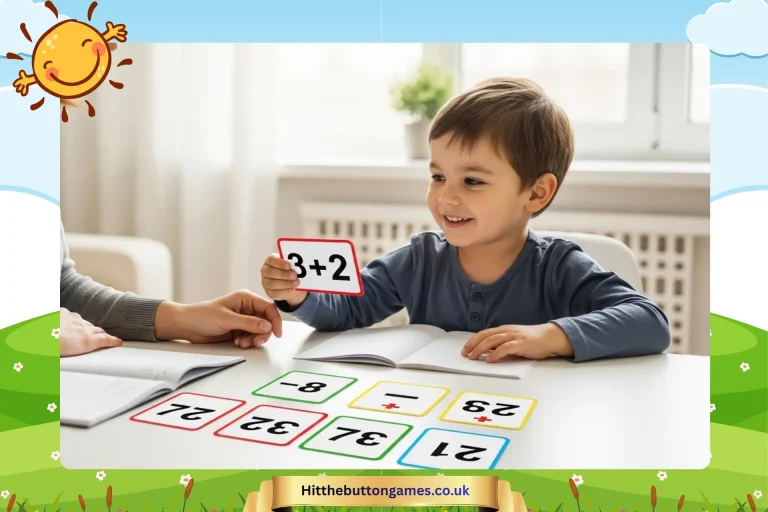
Simple card games that use addition, subtraction, or pattern recognition improve speed and mental flexibility.
They build:
- Quick thinking
- Focus
- Number fluency
These are great for short practice sessions at home.
3. Online Math Challenges
Digital math platforms often adjust difficulty based on performance. This keeps students challenged but not overwhelmed.
Online games are helpful for independent problem solving skills training because students can practice at their own pace.
4. Logic and Puzzle Games
Sudoku, number grids, and pattern puzzles train students to look for relationships and hidden clues.
These games are excellent for improving reasoning skills and attention to detail.
5. Real World Math Games
Scavenger hunts with math clues or budgeting challenges at home show students how math connects to life.
This strengthens understanding and makes learning meaningful.
Here is what happens during gameplay:
Students Learn to Slow Down
Instead of rushing to an answer, they think through options.
They Build Resilience
When a move fails, they try again. This builds persistence.
They Practice Decision Making
Games require choices. Each choice has consequences.
They Strengthen Logical Thinking
Players look for patterns, test ideas, and analyze outcomes.
Over time, these habits transfer into schoolwork and even future careers.

Adults use these skills every day.
For example:
- A manager resolves team conflict.
- A cashier handles a billing mistake.
- A designer fixes a technical issue.
Strong problem solving skills in the workplace lead to better performance and leadership.
Building these skills early through math games gives students a real advantage.
If you want real results, follow these simple steps.
Choose the Right Level
Games should be challenging but not frustrating. Too easy leads to boredom. Too hard leads to stress.
Encourage Thinking Out Loud
Ask questions like:
- Why did you choose that move?
- What could you try next?
This builds awareness.
Focus on Process, Not Just Winning
Praise effort and strategy, not only results.
Play Regularly
Even two short sessions per week can make a difference.
Consistency matters more than intensity.
Many parents and teachers make small mistakes that limit progress.
Turning the Game Into a Test
If you correct every mistake immediately, the fun disappears.
Choosing Only Speed Based Games
Speed is useful, but deep thinking games are more powerful for long term growth.
Ignoring Reflection
After the game, ask what worked and what did not. Reflection strengthens learning.
Not all learners think the same way.
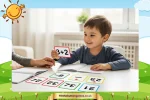
Some students:
- Need visual supports
- Prefer hands-on activities
- Learn better with movement
Choose games that match their style. For example, physical math relay games work well for active learners. Logic puzzles may suit quiet thinkers.
Flexibility increases success.
Pros
- Increase engagement
- Reduce math anxiety
- Build confidence
- Improve logical thinking
- Strengthen collaboration
Limitations
- Not all games teach deep thinking
- Too much screen time can reduce focus
- Without guidance, learning may stay shallow
Balance is key.
Some teachers look for printable materials or guides. Searching for a problem solving skills pdf can provide worksheets or structured challenges to support game play.
Just make sure the material encourages thinking rather than memorization.
Math does not have to feel stressful. When students play thoughtfully designed games, they build confidence and strong problem solving skills at the same time.
These skills go far beyond numbers. They help students make better decisions, handle challenges calmly, and succeed in school and future careers.
Start small. Pick one game. Play together. Ask questions. You might be surprised at how quickly thinking skills grow when learning feels like play.