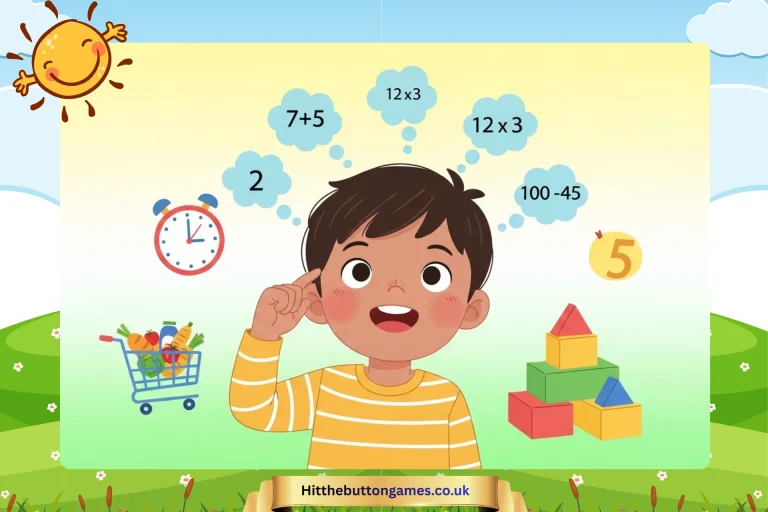
Exciting Math Ideas That Make Learning Fun for Kids 2026
Let’s be honest. People often think bad things about math. A lot of kids think it’s hard, boring, or stressful, and adults often feel the same way about school. The good news is that this isn’t a math problem. It’s a problem with teaching. If you approach it the right way, math can seem like a game, a puzzle, or even an adventure.
This guide gives you real, tested ways to make math fun for kids. These ideas also work for teens and even adults who want to gain confidence through fun math. Everything here is easy to understand, realistic, and can be used at home or in the classroom.
When learning feels fun, the brain stays alert and open. Kids focus longer, try harder, and worry less about making mistakes. Fun reduces fear, which is one of the biggest blockers in math learning.
Exciting math lessons work because they shift attention from getting the right answer to exploring ideas. When math feels like play, practice happens naturally.
Before games and worksheets, the mindset comes first.
Remove Pressure and Fear
Avoid saying things like “math is hard” or “I was bad at math too.” Kids absorb these messages quickly. Instead, treat mistakes as part of learning, not failure.
Focus on Progress, Not Speed
Many kids think math means answering fast. This creates stress. Slow thinking builds deeper understanding and long term confidence.
Math makes more sense when kids see it in action.
Use Real Life Examples
Ask kids to calculate change while shopping or measure ingredients while cooking. These moments show why math matters and how it is used every day.
Talk Through Your Thinking
Explain how you solve simple problems out loud. This helps kids learn problem solving steps, not just answers.
Games turn practice into something kids choose to do.
Fun Math Games to Play in the Classroom
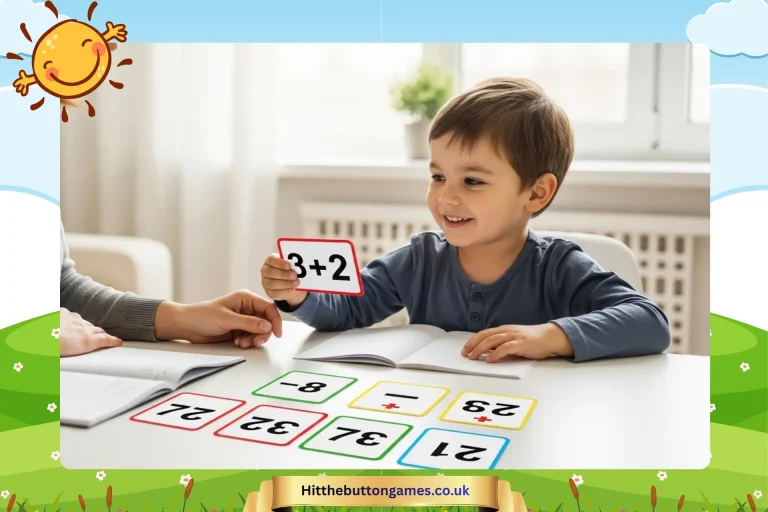
Board games like dice games, number bingo, and card based math challenges keep energy high. Team games also reduce fear because no one feels singled out.
Digital and App Based Games
Well designed apps turn math into levels, points, and rewards. This structure motivates kids to keep practicing without forcing them.
DIY Math Games at Home
Create scavenger hunts with exciting math questions as clues. Use cards, dice, or spinners to make your own games based on your child’s level.
Worksheets are not bad. Boring worksheets are.
Make Worksheets Interactive
Add puzzles, coloring, matching, and real world problems. Kids enjoy worksheets more when they feel like challenges, not tests.
Short and Focused Is Better
A few strong questions beat a full page of repetitive work. This keeps attention high and reduces frustration.
Hands on learning helps many kids understand faster.
Build and Create
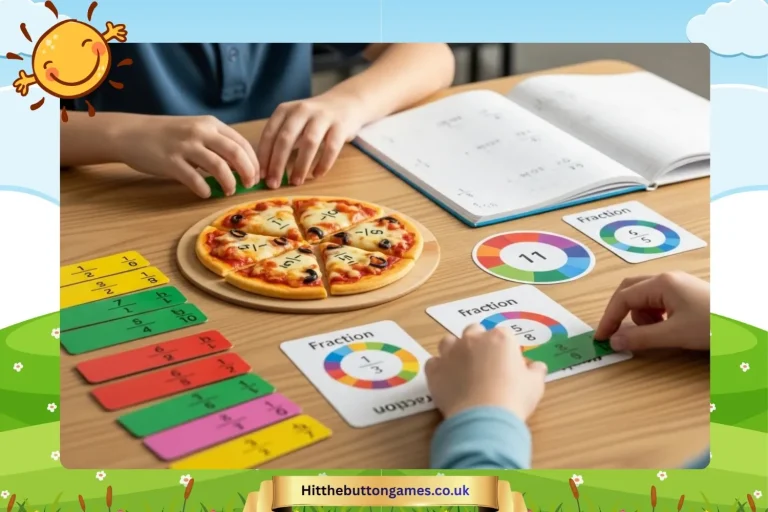
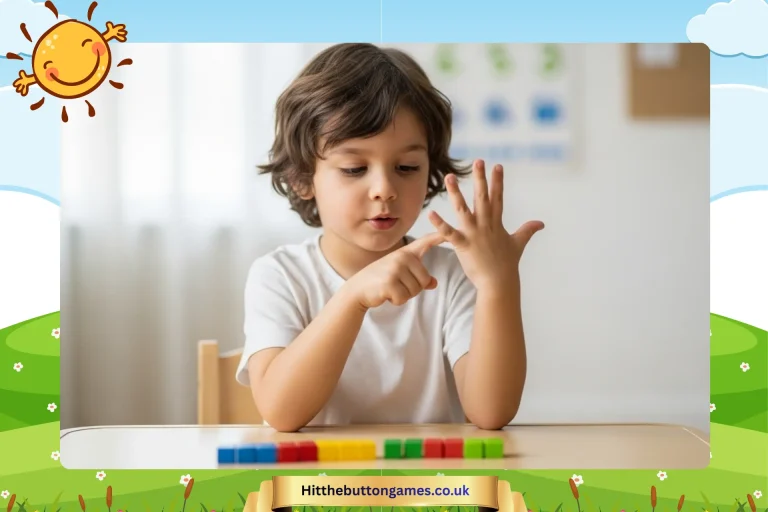
Use blocks, beads, coins, or paper shapes to show math concepts physically. This is especially helpful for younger learners.
Art Meets Math
Draw patterns, create symmetry art, or design simple graphs using favorite topics like animals or sports. These creative maths activities make abstract ideas visible.
Printable Resources
Teachers and parents often benefit from a creative maths activities pdf that includes games, puzzles, and projects ready to use. These save time and keep lessons fresh.

Many kids learn better when they move.
Math With Physical Activity
Use hopscotch for number patterns or an obstacle course where each station includes a math task. Movement boosts focus and memory.
Outdoor Math
Count steps, measure distances, or track nature patterns. Learning outside breaks routine and increases engagement.
Stories give math meaning.
Math Through Story Problems
Create simple stories where characters must solve problems to move forward. This makes math feel purposeful and memorable.
Combine Reading and Math
Books that include numbers, patterns, or logic puzzles help kids see math as part of language and storytelling.
Not all kids learn the same way.
Visual Learners
Use charts, diagrams, and drawings. Color coded steps help ideas stick.
Hands On Learners
Manipulatives and building activities work best here.
Kids Who Struggle With Math
Break lessons into smaller steps. Celebrate effort, not just correct answers. Confidence often comes before skill.
Even with good intentions, some habits slow progress.
- Teaching too much too fast
- Focusing only on memorization
- Comparing kids to others
- Using math only as homework or punishment
Avoid these, and learning becomes smoother.
Absolutely. Many adults enjoy math once pressure is gone. Logic puzzles, brain teasers, budgeting challenges, and strategy games are all forms of exciting math for adults. These activities improve thinking skills and rebuild confidence at any age.
- Better focus and longer attention
- Stronger problem solving skills
- Less anxiety and frustration
- Improved confidence
- Better long term understanding
Fun is not a distraction. It is a learning tool.
Math does not have to feel stressful or dull. With the right tools, mindset, and creativity, it becomes something kids enjoy and even look forward to. Whether you are a parent, teacher, or adult learner, exciting math lessons build confidence, curiosity, and real understanding.
Start small, stay patient, and keep it fun. That is how real learning happens. Daily practice helps you improve and feel confident in math.