Effective Games for Classroom Learning Success 2026
Have you ever looked around your classroom and thought half the students are there but not really learning? Many students lose their concentration easily, especially if they find a subject difficult. The right games for classroom learning can transform that in minutes.
When you use interactive games with a clear goal, students stay alert, participate more, and remember what they learn. The key is choosing the right type of game for the right purpose. Let’s break it down in a simple and practical way.
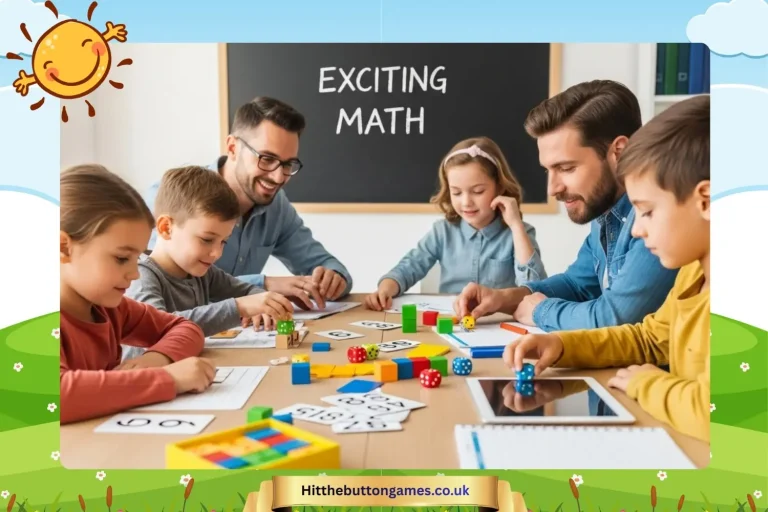
Students learn better when they feel involved. Games turn passive listening into active thinking.
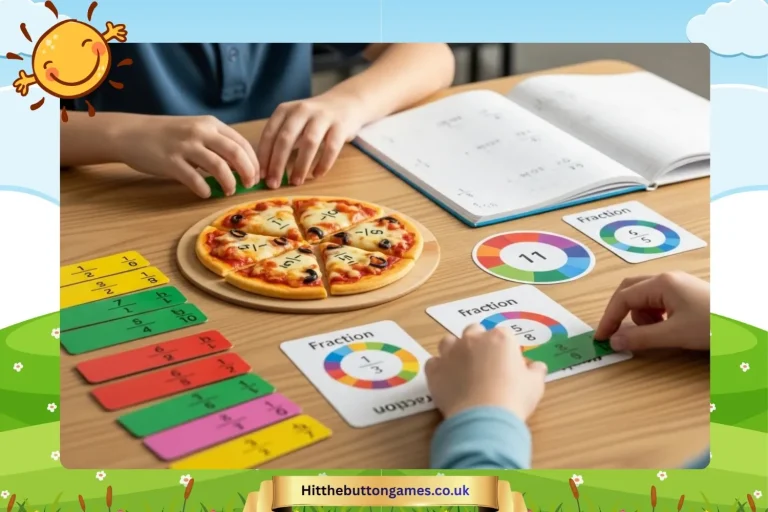
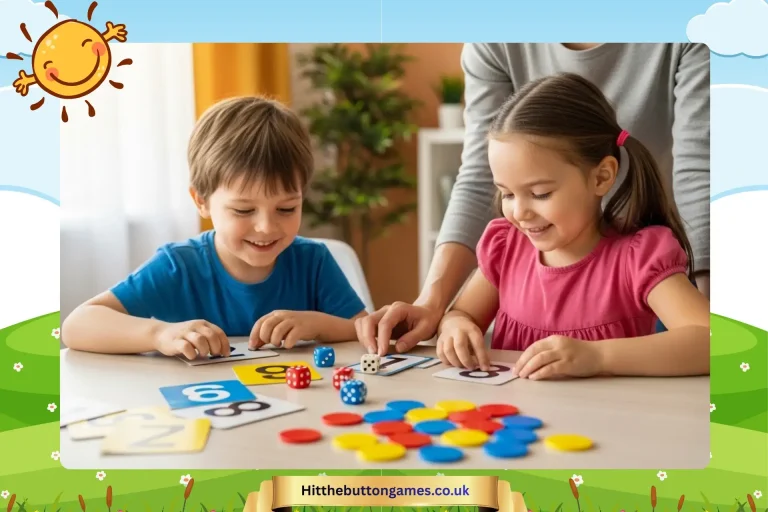
Well planned math games for classroom use help students practice skills without feeling stressed. The same idea works for reading, science, language learning, and even classroom behavior.
Games are not just about fun. They build focus, teamwork, confidence, and problem-solving skills.
Not all games serve the same purpose. Some help with learning. Some improve behavior. Some are perfect for special events.
Interactive classroom lessons work best when they match your topic. These games make students think, answer, and respond.
1. Quiz-Style Games
Games like Kahoot are popular for a reason. If you are looking for games like Kahoot for classroom use, try platforms such as the following:
- Kahoot!
- Quizizz
- Blooket
- Gimkit
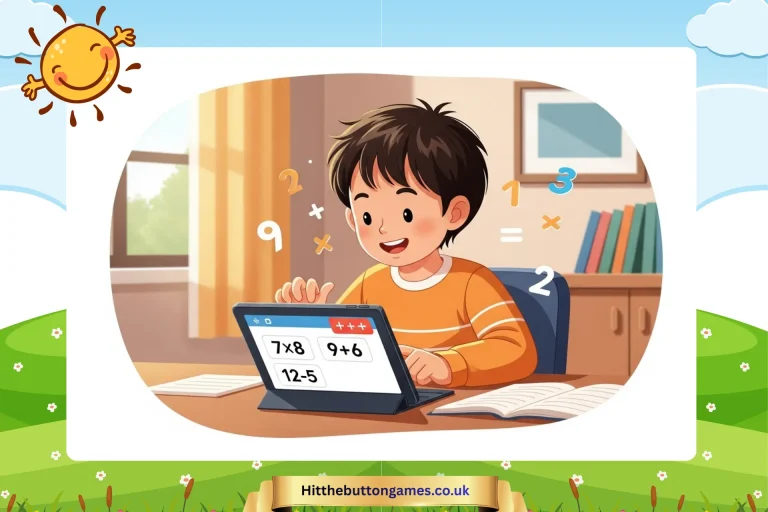
These are great examples of games for classroom online learning. Students answer questions using devices, and you get instant feedback.
They work well for review sessions, test prep, and quick checks for understanding.
2. Math Games for Classroom
Math becomes easier when students practice in a relaxed way.
Simple ideas include:
- Math Bingo for number practice
- Multiplication War with cards
- Problem-solving relay races
- Timed mental math challenges
Online tools like Khan Academy also offer games online for classroom practice.
These games improve speed, accuracy, and confidence without creating pressure.
3. ESL Games for Classroom
Language learners need speaking and listening practice. ESL games for classroom settings should encourage communication.
Try:
- Word guessing games
- Role-play activities
- Vocabulary board races
- Sentence-building competitions
These games help students use English naturally instead of memorizing grammar rules only.
Games are powerful tools for behavior control when used correctly.
Instead of constant reminders, try:
- Team points systems
- Mystery reward games
- Silent challenge games
- Positive behavior bingo
Games for the classroom management work because they focus on rewards instead of punishment. Students respond better to encouragement.
Sometimes you just need energy boosters.
Here are easy games for classroom activities that require little setup:
- Would You Rather
- Two Truths and a Lie
- Quick drawing challenges
- Memory chain game
These are perfect indoor games for classroom use during rainy days or low-energy afternoons.
Elementary School
Kids’ games for classroom learning should be simple and active.
Good choices include:
- Scavenger hunts
- Flashcard races
- Math board games
- Story-building circles
Young learners respond well to movement and visuals.
Middle School
At this stage, students enjoy competition.
Use:
- Debate games
- Trivia challenges
- Escape room-style puzzles
- Team quiz battles
Games interactive for middle grades in the classroom should challenge thinking, not just memory.
High School
Games for classroom high school students should feel mature.
Try:

- Real-world problem-solving challenges
- Business simulation games
- Strategy-based math puzzles
- Discussion-driven quiz games
Teenagers engage more when games feel meaningful and practical.
Special days need something different.
Christmas Games for Classroom
For a classroom Christmas party, keep it simple and fun:
- Holiday trivia
- Secret gift exchange games
- Christmas-themed math puzzles
- Ornament design contest
Christmas games for the classroom settings should be inclusive and respectful of different backgrounds.
Halloween Games for Classroom
Halloween games for classroom fun can still be educational:
- Spelling challenge with themed words
- Mystery math problems
- Story writing contest
- Pumpkin counting games
Keep the focus on creativity and teamwork.
Parties can become loud fast. Choose games with structure.
Set clear rules. Divide students into small groups. Give time limits. Reward teamwork.
Games to play for classroom parties should still support cooperation, not chaos.
Many teachers stop using games because they feel they waste time. Usually, the problem is not the game. It is the planning.
Here are common mistakes:
- No clear learning goal
- Too complicated instructions
- No time limit
- No behavior expectations
Keep games short and focused. Always explain why you are playing.
Games for classroom learning should support your lesson, not replace it. Start with teaching. Then use a game to practice. End with a short reflection.
Ask students what they learned from the activity. This helps connect fun with real understanding.
Games online for classroom use are great for instant feedback and engagement.
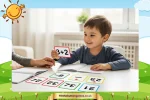
Traditional indoor games for classroom settings are better for movement and face-to-face teamwork.
The best approach is balance. Use both depending on your lesson goals and available resources.
Ask yourself:
- What skill do I want students to practice
- How much time do I have
- Do students need movement or focus
- Is this review or new learning
Easy games for classroom use often work better than complex ones.
Simple structure leads to better results.
Students do not resist learning. They resist boredom.
The right games for classroom activities make lessons active, clear, and memorable. Whether you use math games for classroom practice, ESL games for classroom speaking, or games for classroom party fun, the goal stays the same.
Keep it simple. Keep it focused. Make learning something students want to join, not avoid.
When games are used with purpose, the classroom changes from quiet and distracted to active and excited. And that is when real learning begins.