Practicing Mental Addition Made Clear and Effective
Have you ever been at a store adding up prices in your head and then lost track? Or helped a child with their homework and found that simple math problems took longer than they thought? That’s when mental addition comes in. It’s not just about being quick.
Anyone can get better at adding numbers in their head with enough practice. Everyone from kids to adults can benefit from it in many ways.
This guide shows you how to practice mental addition in a smart way by giving you clear instructions, real-life examples, and tools that really work.
Mental addition means adding numbers without writing them down or using a calculator. You do the math in your head by understanding how numbers work together.
This skill matters because numbers show up everywhere. Shopping, time planning, schoolwork, and even games use quick addition. When mental addition improves, confidence improves too.
Mental addition works by breaking numbers into smaller, friendly parts. For example, adding 28 and 12 feels easier when you think 28 plus 2 makes 30, then add the remaining 10.
With practice, the brain starts to recognize patterns. This reduces effort and speeds up thinking without stress.
Stronger Number Sense
Regular practice helps learners understand numbers, not just memorize answers. This makes future math topics easier.
Better Focus and Memory
Mental math trains attention and working memory. Learners stay focused longer and recall facts faster.
Faster Problem Solving
When addition feels natural, solving bigger problems becomes less intimidating. This helps both in school and daily tasks.
Start With Simple Numbers
Begin with single digit addition. This is especially important for mental math addition grade 1 learners.
Move to Two Digit Numbers
Once basics feel easy, add numbers like 23 plus 15. Focus on breaking them into tens and ones.

Practice Daily in Short Sessions
Five to ten minutes a day works better than long sessions once a week. Consistency matters more than speed.
Here are a few simple examples to show how it works.
Add 47 plus 18
Think 47 plus 3 equals 50. Add the remaining 15 to get 65.
Add 60 plus 27
Add 20 to make 80, then add 7 to get 87.
These small tricks reduce mistakes and build confidence.
Good questions challenge thinking without overwhelming the learner. Mix easy and slightly harder sums.
For example
8 plus 7
25 plus 19
46 plus 34
Timed questions can help later, but accuracy should always come first.
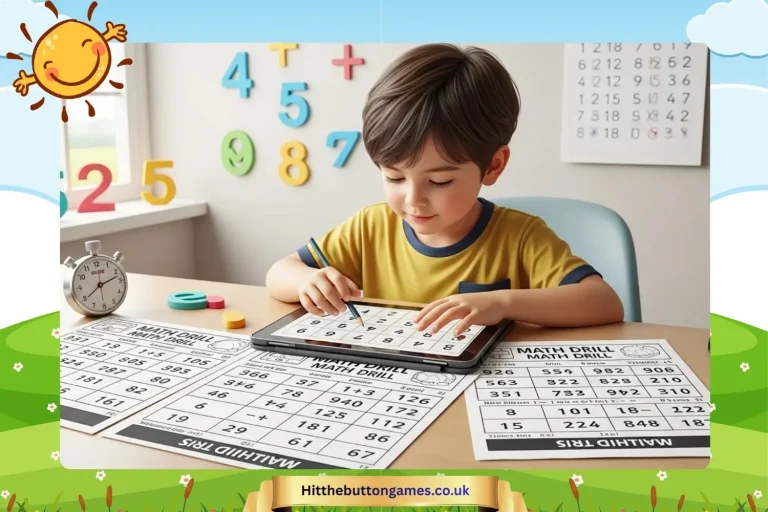
Worksheets are useful when they are clear and level appropriate.
Practicing Mental Addition Worksheets
These focus on solving sums without writing steps. They train thinking, not copying.
Practicing Mental Addition Worksheets PDF
PDF worksheets are easy to print and reuse. They work well for home practice and classrooms.

Practicing Mental Addition KS2
For KS2 learners, worksheets should include two digit numbers and word problems. This connects math to real life.
Mental Addition and Subtraction Worksheets
Mixing addition and subtraction helps learners think carefully instead of guessing.
A good practicing mental addition pdf includes clear instructions, graded difficulty, and enough space to think. Avoid crowded pages that cause confusion.
PDFs are great for parents and teachers who want structured practice without screens. Playing more Hit the button games can train your perfect.
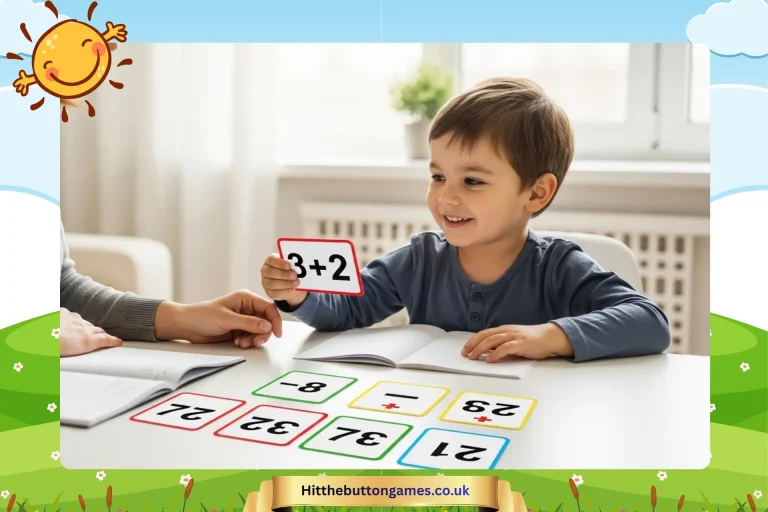
For beginners, visuals and short sessions work best.
Mental Math Addition Grade 1 Tips
Use number lines, counters, and spoken questions. Keep sessions playful and pressure free.
Praise effort, not just correct answers. Confidence grows before speed.
Older learners benefit from real life practice.
- Add totals while shopping.
- Estimate time when planning tasks.
- Add scores during games.
These small habits keep skills sharp without extra study time.
Rushing Too Fast
Speed comes after accuracy. Slow down and check thinking.
Relying on Calculators
Using tools too often weakens mental skills. Try first, then check.

Fear of Mistakes
Mistakes are part of learning. Reviewing errors builds stronger understanding.
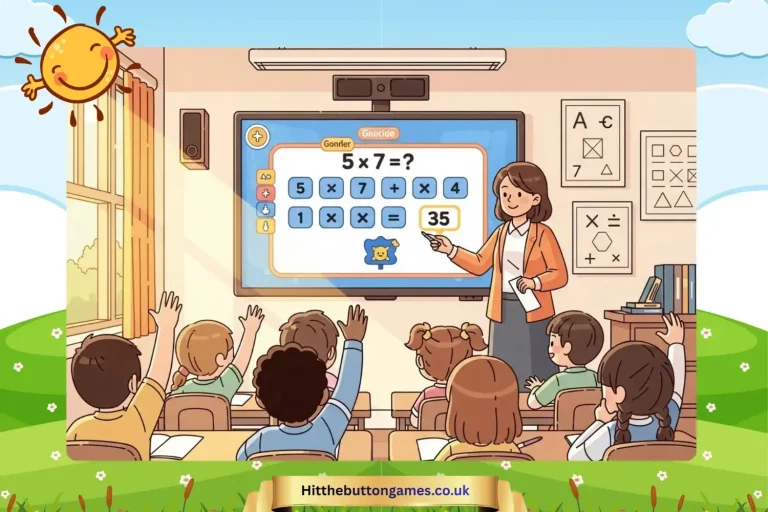
At home, practice during daily routines. At school, use short warm up activities. Group games and partner challenges make learning fun without pressure.
Worksheets and oral questions both have value. Mixing them keeps learners engaged.
Mental addition is powerful, but not meant to replace written math for complex problems. It works best for quick calculations and building number confidence.
Knowing when to switch methods is also a skill.
Practicing mental addition is one of the simplest ways to build strong math skills. It improves confidence, sharpens thinking, and makes everyday tasks easier. With the right questions, worksheets, and daily habits, anyone can get better at it.
You do not need fancy tools or long study hours. You just need clear methods, steady practice, and the confidence to think through numbers one step at a time.