Math Bingo Magic Fun That Develops Real Math Skills 2026
Math practice can be boring or stressful if kids have trouble with numbers. Math Bingo changes all that. It makes problem solving a game that holds students’ attention, encourages their participation, and makes practicing math enjoyable.
This guide will tell you what Math Bingo is, why it works, how to use it at home or in class, and how to adapt it for kids, teens and even adults.
Math Bingo is a learning game based on classic bingo rules. Instead of calling numbers, the caller reads math questions. Players solve the problem and look for the answer on their card.
This works because learners are not memorizing in isolation. They are thinking, checking answers, and staying alert. The game format reduces fear of mistakes and builds confidence through repetition and success.
Math Bingo is flexible and works for many age groups.
- This game is for kids helps build basic skills in a playful way
- A bingo game for adults keeps the brain active and sharp
- Teachers use it for review and reinforcement
- Parents use it for stress-free practice at home
With the right questions, the same game can work for grade 1 through middle school and beyond.
Step 1: Prepare the Bingo Cards
Each player gets a card filled with numbers or expressions. You can use a bingo math printable or create your own.
Step 2 Choose the Math Level
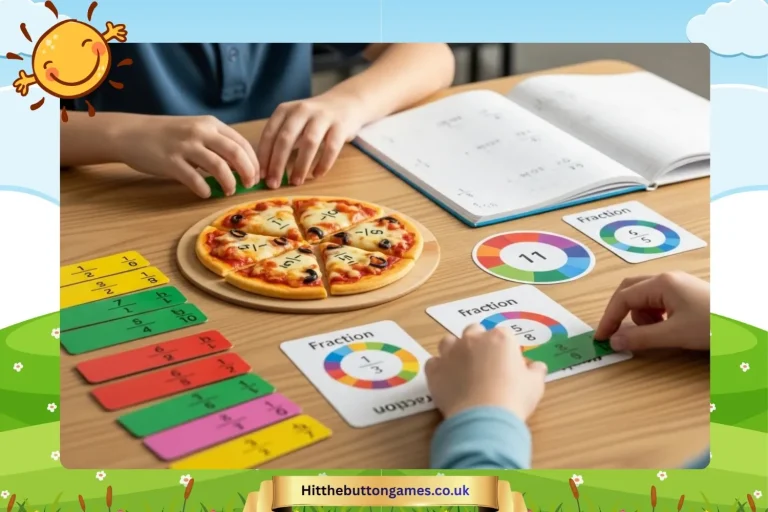
Decide which skills you want to practice. This could be addition, multiplication, fractions, or mixed review.
Step 3: Call the Questions
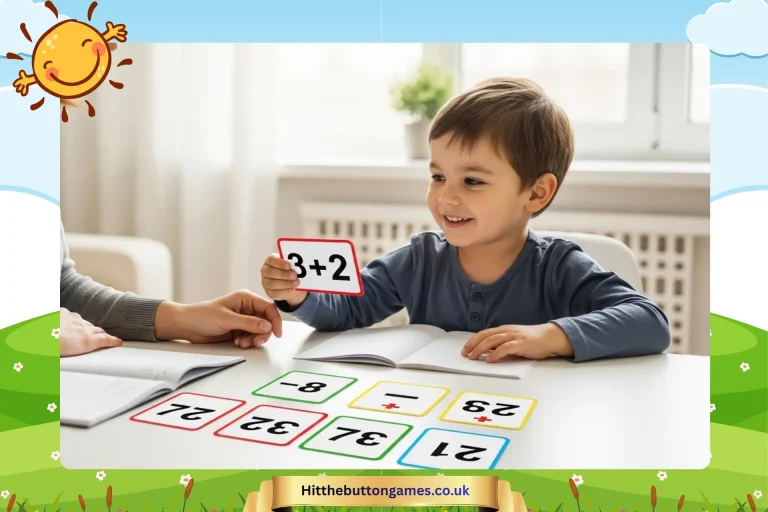
The caller reads a math question out loud. Players solve it mentally or on paper.
Step 4: Mark the Answer
If the answer is on the card, players mark it.
Step 5: Call Bingo
The first player to complete the agreed pattern wins.
The power of Bingo comes from choosing the right questions.
For Younger Learners
- Simple addition and subtraction
- Number recognition
- Counting and matching
For Older Students
- Multiplication and division
- Fractions and decimals
- Word problems
For Advanced Players
- Algebra expressions
- Percentages
- Geometry-based questions
You can easily adjust difficulty without changing the game rules.
Kids learn best when they feel safe and engaged. This game creates that environment.
In classrooms, it works well for warm-ups, review days, or small groups. At home, it replaces worksheets with active learning. Kids stay focused longer because they want to win, not because they are forced to practice.
Short rounds and colorful cards help younger children stay attentive.
Bingo is not just for children. Many adults use it for mental math practice, brain games, or group activities. The Hit the Button game offers more activities like this to help learners perform better.
This game for adults often includes percentages, money math, or logic-based problems. It works well for community centers, tutoring sessions, and family game nights.
Math Bingo Printable and Printable PDF
Printable cards are easy to use and require no technology. A bingo printable PDF is perfect for classrooms and quick setup.

Math Bingo Online
Bingo Math online tools allow students to play on tablets or computers. These are useful for remote learning or independent practice.
Math Bingo App
A math bingo app offers instant feedback and automatic scoring. Apps are great for solo practice and travel learning.
Each format has value. The best choice depends on your setting and learner needs.
A math bingo generator saves time and adds variety. It automatically creates unique cards and random questions.
This prevents memorization and keeps the game fresh. Teachers often use generators to match specific lessons or standards.
Problems Are Too Hard
If learners feel stuck, lower the difficulty. Confidence matters more than speed.
Game Moves Too Fast
Slow down the calling pace. Give enough thinking time.
One Skill Level Dominates
Use mixed cards or team play to balance differences.
These small changes make the game fair and effective.
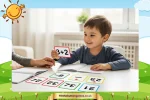
This game supports different learning styles.
- Visual learners benefit from number placement
- Auditory learners focus on spoken questions
- Social learners enjoy group play
For learners with anxiety, teamwork reduces pressure. For attention challenges, short rounds work best.
Benefits
- Builds confidence
- Improves mental math
- Encourages participation
- Easy to adapt
Limitations
- Not ideal for teaching brand new concepts
- Needs good question planning
Bingo works best as practice, not first-time instruction.
The game turns practice into progress. It removes fear, builds confidence, and keeps learners engaged. Whether you use a math bingo printable, an online version, or a math bingo app, the goal stays the same.
Help learners see math as something they can enjoy and succeed at. When learning feels like a game, effort comes naturally. For even more fun practice, explore the Math Splat Game and keep the momentum going.