Brilliant Ways to Gamify Math Practice for Kids 2026
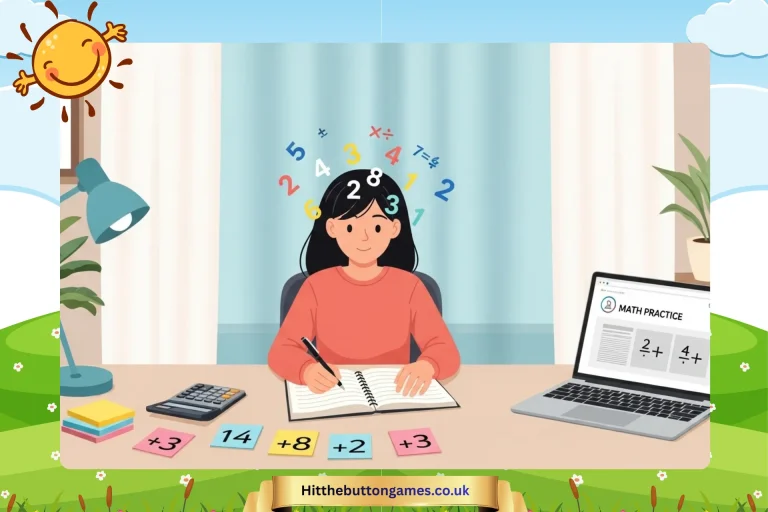
Kids often think math is hard because it looks like there are never-ending worksheets and answers that are either right or wrong. A lot of kids give up not because they can’t learn math, but because they’re bored or scared. Gamify math practice changes that experience by turning learning into something kids want to do.
When math feels like a game, children stay curious, take risks, and practice longer without pressure. That is where smart gamification in mathematics examples really shine.
To gamify math practice means using game ideas like points, levels, challenges, and rewards to teach math skills. The goal is not to distract kids with games, but to use games to support learning.
A good Gamify Math Practice always keeps the math front and center. The fun supports the learning instead of replacing it.
Children learn best when they feel safe to make mistakes. Games create that safety by letting kids try again without shame. Each attempt feels like progress instead of failure.
Gamified learning also gives instant feedback. Kids know right away if they are improving, which builds confidence and motivation.
Many students struggle with math because practice feels repetitive. Worksheets often focus on speed instead of understanding. This can frustrate slower learners and discourage creative thinkers.
Gamify math practice online helps solve this by allowing students to learn at their own pace. Games adjust difficulty and reward effort, not just correct answers.
Clear Learning Goals
Every game should target a specific skill. This could be addition, fractions, or multiplication facts. Without a clear goal, the game becomes entertainment only.
Progress and Feedback
Good games show progress through levels, badges, or scores. Kids can see improvement, which keeps them going even when problems get harder.
Choice and Control
Letting kids choose games or paths gives them ownership. This small control makes a big difference in motivation.
Digital Math Games and Apps
Using a gamify math practice app can be very effective, especially for home learning. Apps often include adaptive levels, hints, and visual rewards.
Popular tools like Monster Math free offer structured gameplay that focuses on core skills. Many parents like Monster Math multiplication because it builds fluency through repeated play without feeling repetitive.
Monster Math reviews often highlight how kids stay engaged longer compared to worksheets. Some versions also connect well with platforms like Monster Math games adapted mind, making them useful for structured learning plans.
Whole Class Math Games Online
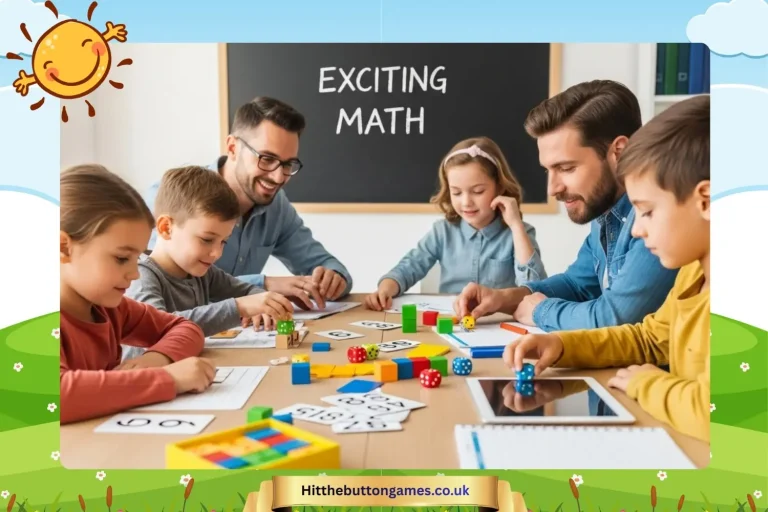
Teachers can use whole class math games online to build teamwork and excitement. These games work well for reviews, warm ups, or friendly competitions.
Students learn from each other as they practice skills together, which helps time tables stick more easily. This approach builds both social learning skills and stronger math confidence.
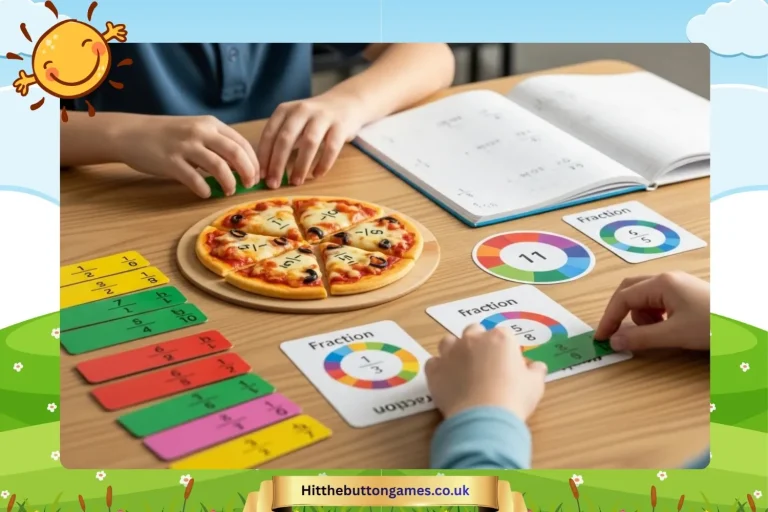
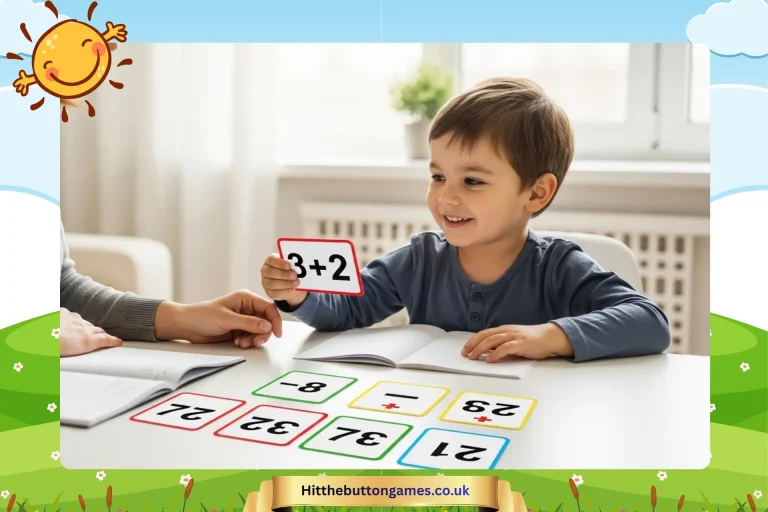
Not all gamification needs a screen. Simple card games, dice games, and board games can easily become math tools.

For example, rolling dice and racing to solve problems adds energy to basic practice. Building your own games also helps kids understand the rules and math concepts more deeply.
At home, parents can turn daily routines into math games. Cooking can become fraction practice. Shopping can turn into estimation challenges.
In classrooms, teachers can rotate math stations with different games. This keeps lessons fresh and supports different learning styles.
Gamify Math Practice works well for students who struggle with focus or confidence. Visual learners benefit from graphics and animations. Hands on learners enjoy physical games.
For students with learning difficulties, games reduce pressure and allow more repetition without frustration. Adjusting difficulty helps every learner feel successful.
One mistake is using games with no learning purpose. If math is optional inside the game, learning suffers.
Another issue is too much competition. Some kids shut down when they feel compared. Balance competition with personal progress goals.
Gamification makes math more engaging and encourages practice. It builds confidence and supports long term learning habits.
However, games should not replace instruction. Kids still need explanations, discussions, and guided practice. Games work best as a support tool.
Gamify math practice helps children see math as something they can enjoy and master. When learning feels playful, kids try harder and stick with it longer.
With the right balance of games, guidance, and real world connections, math becomes less scary and more meaningful. That is how lasting confidence in math begins.