Top Math Games for Elementary Students 2026
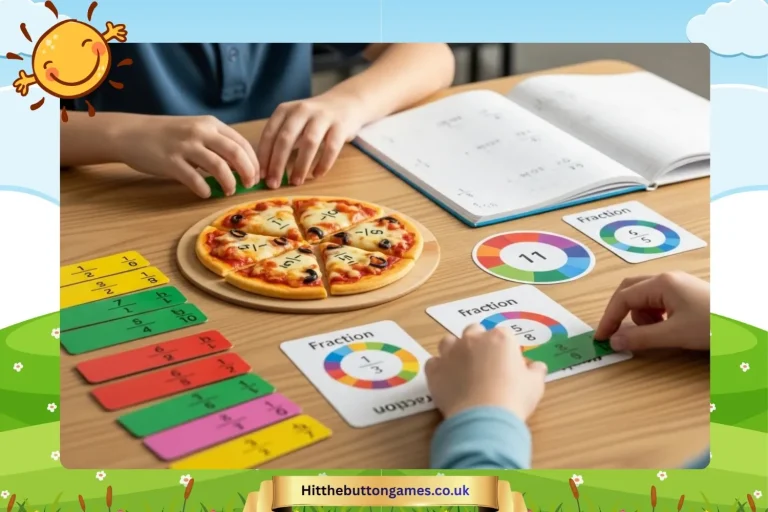
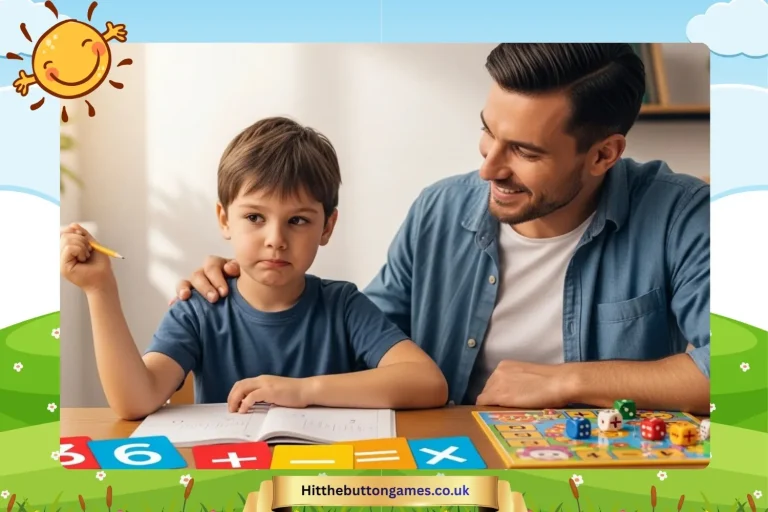
Math can be challenging for many children, but it doesn’t have to be boring. Early experiences with math shape how students feel about numbers and problem-solving in the future.
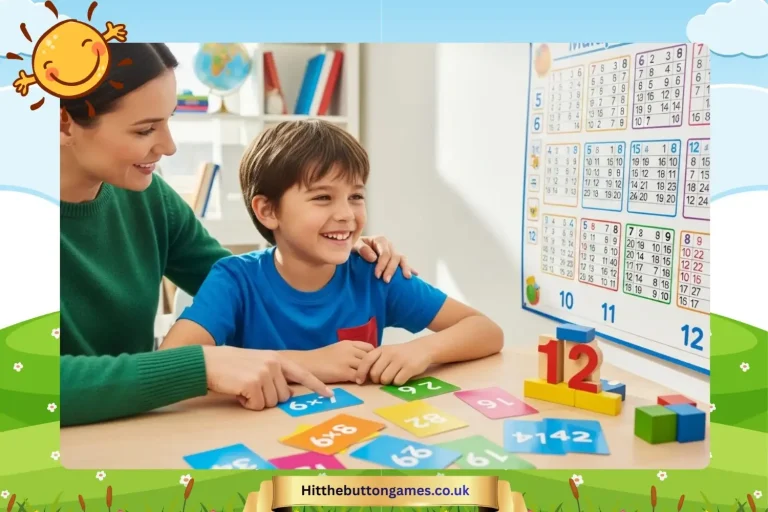
If kids like math and find it to be hands-on, they are more likely to remain motivated and confident as they continue on. Online math games are a great way to reinforce key skills and make learning fun.
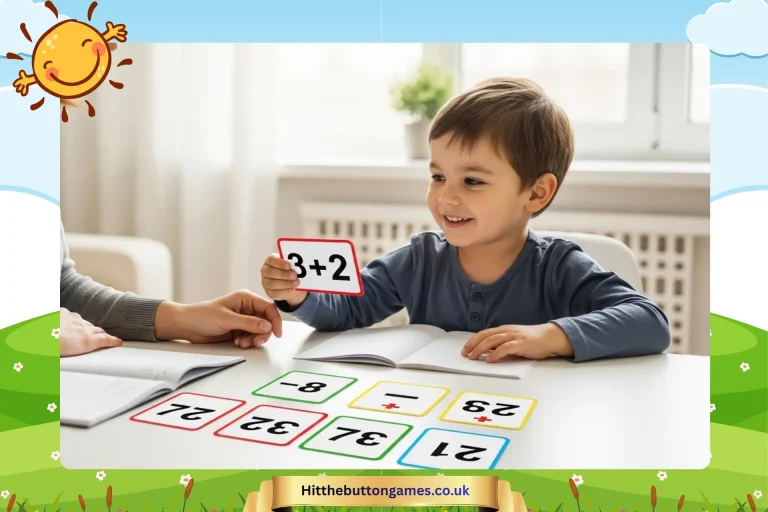
Many students struggle with math because repetitive practice gets boring. Online math games make learning more engaging by turning lessons into interactive challenges with instant feedback, helping kids learn from mistakes and stay motivated.
Modern math games go beyond basic calculations. They build problem-solving, logical thinking, and decision-making skills through fun activities, making it easier for students to understand concepts and gain confidence in math.
Not all math games are the same. Here’s what to look for:
Age and Grade Level: Choose games that match your child’s skill level. Games designed for their grade will keep them challenged without being frustrating.
Curriculum Alignment: Games that follow educational standards ensure students are practicing the right skills. Look for platforms designed with teachers or aligned to national math benchmarks.
Engagement and Interactivity: The best games include storytelling, rewards, or challenges. These features keep children interested and motivated.
Adaptive Learning: Each child learns at their own pace. Games that adjust difficulty based on performance ensure students are always learning at the right level.
Safety and Privacy: Make sure games are safe, ad-free, and do not require unnecessary personal information. A secure environment helps parents feel confident while kids explore learning.

Here are some of the most effective and popular math games for young learners:
1. Hit the Button
Hit the Button focuses on quick-fire math practice. Students answer questions in a timed setting, which helps build speed and accuracy in addition, subtraction, multiplication, and division.
Why It Works: The game is simple, fun, and helps students develop mental math skills. Its short rounds make it easy to fit into daily practice.
2. Prodigy Math Game
Prodigy combines math with a fantasy adventure. Students complete quests by solving math problems, covering content from grades 1 to 8.
Why It Works: The role-playing aspect motivates children to practice consistently. Adaptive learning ensures problems match the student’s level, reinforcing classroom lessons effectively.
3. Math Playground
Math Playground offers a mix of math puzzles, logic games, and skill-based challenges for grades 1 to 6.
Why It Works: Its variety ensures students of all skill levels find games that match their abilities. Logic games also strengthen problem-solving skills alongside arithmetic.
4. Coolmath Games
Coolmath Games features fun, strategy-based games that encourage mathematical thinking.
Why It Works: Students who resist traditional math often enjoy its casual, engaging approach. The mix of logic and number games helps build a strong foundation in math reasoning.

5. Funbrain
Funbrain combines games, books, and videos. Its math games integrate skills from other subjects, like reading and science.
Why It Works: The cross-subject approach keeps students interested and makes math feel relevant. Progress tracking helps parents and teachers see improvement.
6. SplashLearn
SplashLearn offers curriculum-aligned content for grades K-5 with adaptive learning features.
Why It Works: Personalized learning keeps students challenged without frustration. Its colorful visuals and interactive elements make practice enjoyable.
Students Effectively
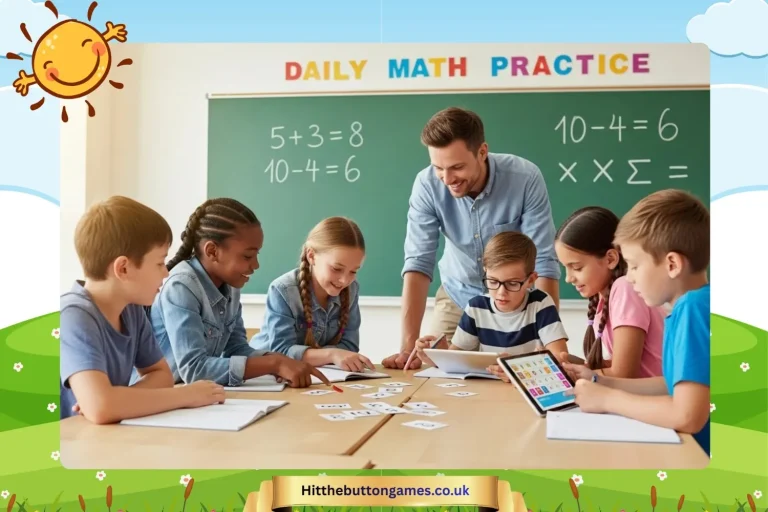
Set a Routine: Pick a regular time each day for math games. Consistency helps children develop good learning habits.
Balance Screen Time: Encourage hands-on activities, reading, or outdoor play alongside screen-based games. A mix of activities creates a well-rounded learning experience.
Parental Involvement: Play games with your child, discuss strategies, and celebrate progress. Active involvement improves learning and motivation.
Track Progress: Use built-in reports or progress trackers to monitor improvement. Celebrate milestones to boost confidence and encourage continued practice.
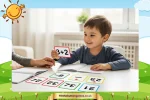
Elementary school students can learn math in a fun, interactive, and useful way by playing games online. These games help kids build confidence and a strong math foundation by giving them fun practice, reinforcing what they’ve learned, and encouraging them to solve problems.
Adding them to daily lessons can make math fun instead of a chore, which will help students do well in higher grades.