Developing Math Skills with Fun Games Effectively 2026
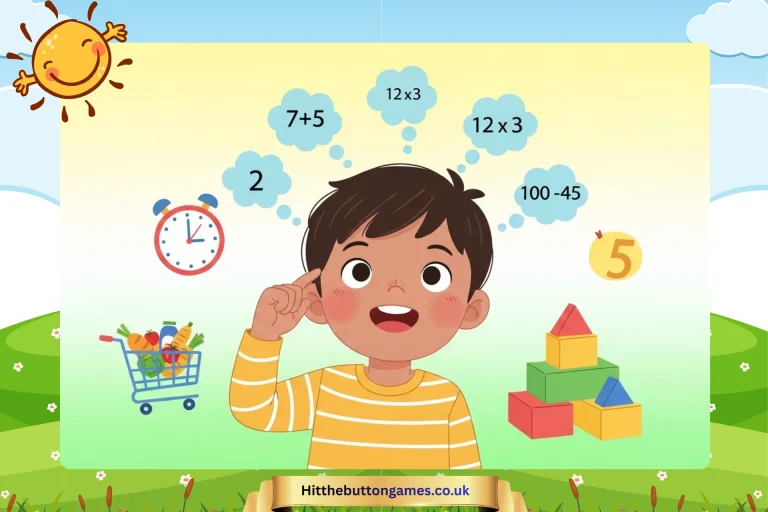
Math does not let students down. Learning methods that are boring do. A lot of students have trouble with math because it seems hard, rushed, or not related to real life.
Games change that. They turn math into something you do, not something you memorize. Fun educational games help learners practice math without pressure.
They build confidence, improve thinking, and make learning stick. This works for kids, teens, and even adults who want to rebuild their math skills.
Games give instant feedback. You see what works and what does not right away. This helps the brain learn faster.
They also break math into small steps. Instead of long worksheets, learners focus on one skill at a time. That makes progress feel achievable.
Most importantly, games remove fear. When mistakes feel safe, learners try more and learn more.
Every age has different math needs. Games can match each stage naturally.
Mathematics Development 3 to 12 Months
Babies start learning math through patterns and sounds. Simple games like stacking blocks or sorting toys help them notice size, order, and repetition.
These early experiences build the foundation for future math learning.
Toddlers and Preschoolers
At this stage, children learn counting, shapes, and basic comparisons. Games with colors, objects, and matching support number sense.
This is where early math confidence begins.
School-Age Children
Kids start working with addition, subtraction, and patterns. Board games, card games, and digital apps help them practice without stress.
Games reinforce school lessons and fill learning gaps naturally.
Teens and Adults
Older learners focus on logic, problem-solving, and accuracy. Strategy games, puzzles, and timed challenges support deeper thinking.
This approach works well for developing math skills for students and adults alike. Playing these activities can make it easier to succeed in online multiplication games.
Here is a practical mathematical skills list that games often target.
- Counting and number recognition
- Addition and subtraction
- Multiplication and division
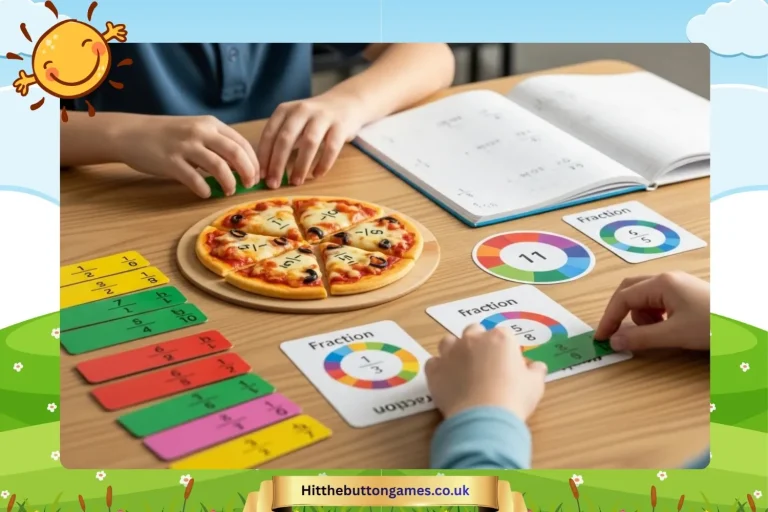
- Fractions and decimals
- Patterns and sequences
- Geometry and spatial thinking
- Logic and problem solving
- Mental math and estimation
Each skill improves faster when learners practice through play instead of repetition.
Counting and Number Games
Simple counting games help children connect numbers to real objects. Rolling dice, moving game pieces, or counting points makes numbers feel real.
This builds strong number sense early.
Addition and Subtraction Games
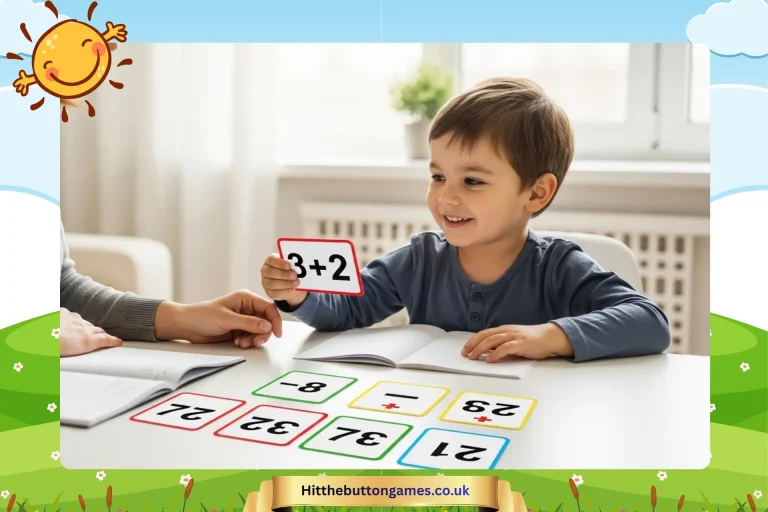
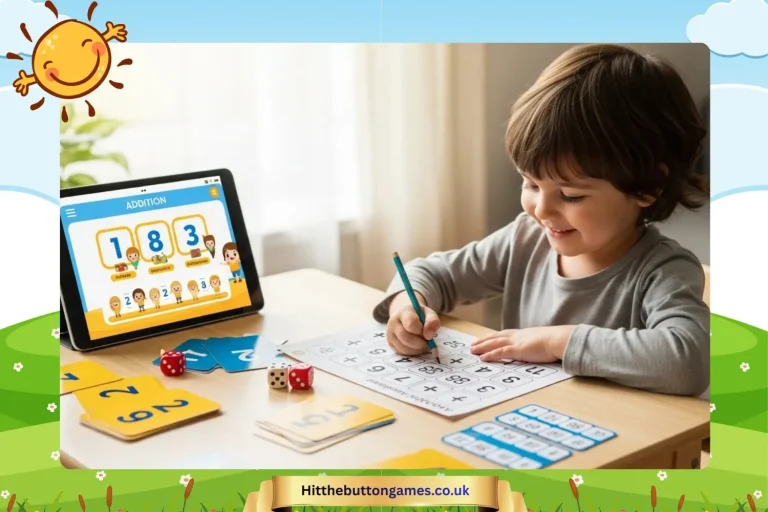
Games using cards or dice help children see how numbers combine and change. Visual feedback makes learning clearer than worksheets.
Mistakes feel like part of the game, not a failure.
Shape and Pattern Games
Matching shapes and completing patterns strengthens visual thinking. This skill is important for later topics like geometry and algebra.
Multiplication and Division Games
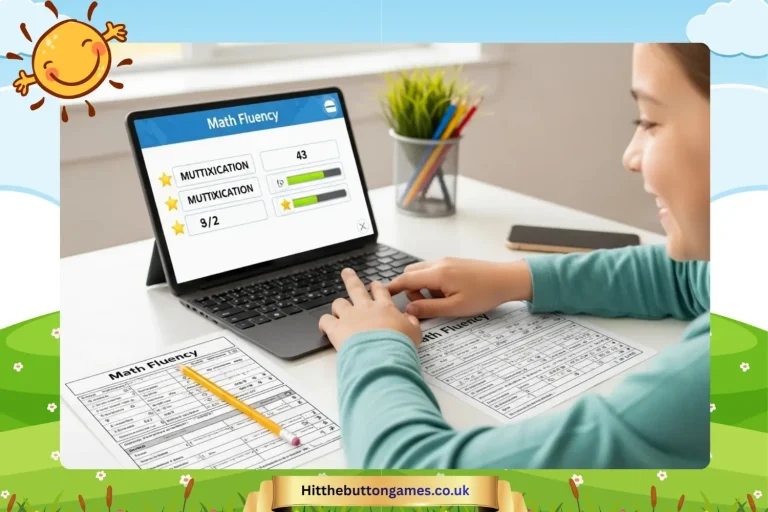
Timed challenges and reward-based systems help learners memorize facts without boredom. Repetition happens naturally through play.
Division games help learners understand sharing and grouping, not just answers.
Geometry and Spatial Games
Puzzle games and building activities improve spatial awareness. Learners understand angles, area, and structure by doing, not memorizing.
This is especially helpful for visual learners.
Algebra and Logic Games
Games that involve rules and steps prepare learners for algebra. They practice thinking ahead and solving problems logically.

This makes algebra less intimidating later.
Games do not replace worksheets. They support them.
Using developing math skills worksheets after a game helps reinforce learning. Learners already understand the concept, so practice feels easier.
Many platforms also offer developing math skills PDF resources that pair games with guided exercises.
There are many options for developing math skills free at home or school.
- Online math game websites
- Printable game-based worksheets
- Mobile apps with free levels
- Classroom-friendly board games
These resources work well for parents, teachers, and self-learners.
Adults often struggle because of past experiences, not ability. Games remove that emotional barrier.
Logic puzzles, budgeting games, and mental math apps help adults rebuild skills without embarrassment. Progress feels private and motivating.
This approach works well for career growth and daily problem solving.
One mistake is choosing games that are too hard. This causes frustration.
Another mistake is relying only on games. Balance matters. Games should support learning goals, not replace them completely.
Also, avoid games with too many distractions. Fun should support learning, not overwhelm it.
At home, short daily game sessions work best. Ten to fifteen minutes is enough.
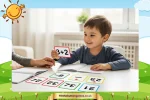
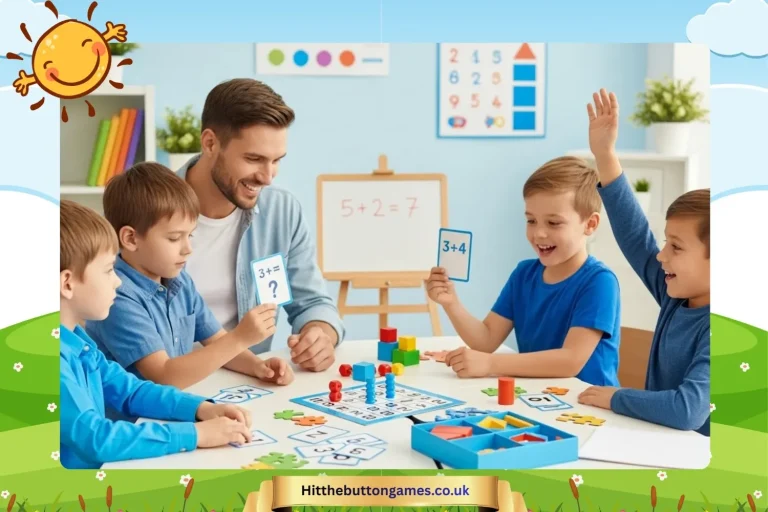
In classrooms, group games encourage teamwork and discussion. Students explain their thinking, which deepens understanding.
Games also help teachers spot learning gaps quickly.
Developing Math Skills games improve focus, memory, and confidence. Learners become more patient and persistent.
They also learn how to handle mistakes calmly. This mindset helps in all subjects, not just math.
Developing math skills does not have to feel hard or stressful. Games make learning active, safe, and enjoyable.
When learners feel confident and curious, progress follows naturally. Whether you are teaching a child, supporting a student, or relearning math as an adult, educational games offer a smart and effective path forward.
Math becomes easier when learning feels human.