Best Games to Improve Multiplication Skills Quickly 2026
Learning multiplication can be tough for many kids at first. Numbers get fast, tables are hard to remember and practice gets boring very quickly. Kids get bored and learning is a drag . Progress becomes slow .
Hence multiplication games are very helpful. They make practice feel like something fun and rewarding. Children learn through play and challenge and curiosity not worksheets again and again.
When used the right way, games can improve multiplication skills for kids, strengthen memory, and build confidence in math.
Multiplication skills introduces a new way of thinking about numbers. Instead of simple addition or subtraction, children must understand patterns, groups, and number relationships.
Many traditional lessons focus mostly on memorization. Students are asked to repeat tables until they remember them.
This method works for some learners, but many children need more than repetition. They need to see patterns, practice in different ways, and feel motivated to keep trying.
That is where game based learning makes a big difference.
Games work because they activate several learning skills at once. Children are not just solving problems. They are thinking, reacting, remembering, and competing.
Here is why games improve multiplication facts practice:
1. They Improve Memory
When kids repeat multiplication facts during a game, the brain stores the information more easily. It feels like play instead of study.
2. They Build Confidence
Correct answers earn points or progress in the game. Small wins make children feel capable and motivated.
3. They Encourage Fast Thinking
Many hit the button games require quick answers. This improves recall speed, which is essential for strong multiplication skills.
4. They Reduce Math Anxiety
Children often feel less pressure during games than during tests or worksheets.
Different games help different types of learners. Mixing several types works best.
Card Games
Card games help children think quickly.
A simple example is Multiplication War.
Each player flips two cards and multiplies the numbers. The player with the highest answer wins the round.
This game improves quick thinking and mental math.
Bingo Style Games
Bingo games make multiplication skills practice exciting.
Players receive a card with answers. The teacher or parent calls out multiplication problems. Players solve them and mark the matching number.
This helps children connect problems with answers faster.
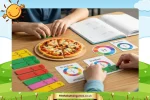
Board Games
Board games add movement and strategy.
Each move requires solving a multiplication problem. Correct answers allow players to move forward.
These games are great for group learning in classrooms.
Online Multiplication Games
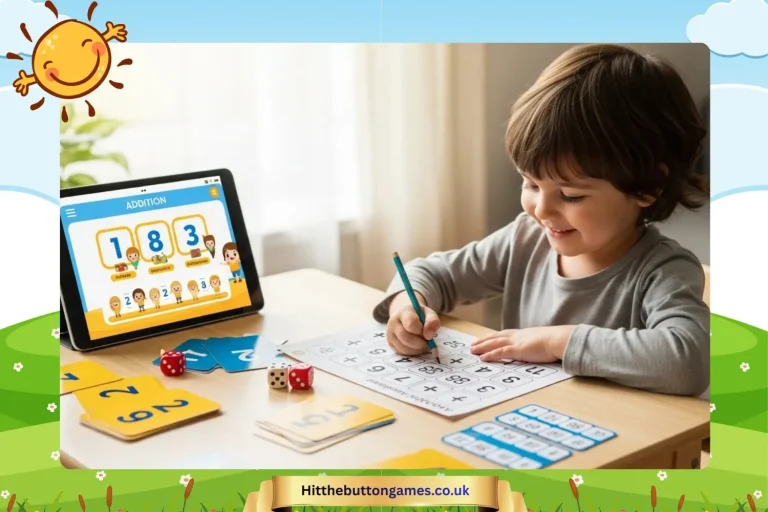
Many websites offer interactive multiplication games with rewards, levels, and challenges.
Digital games often track progress and adjust difficulty automatically.
They are especially helpful for children who enjoy learning through technology.
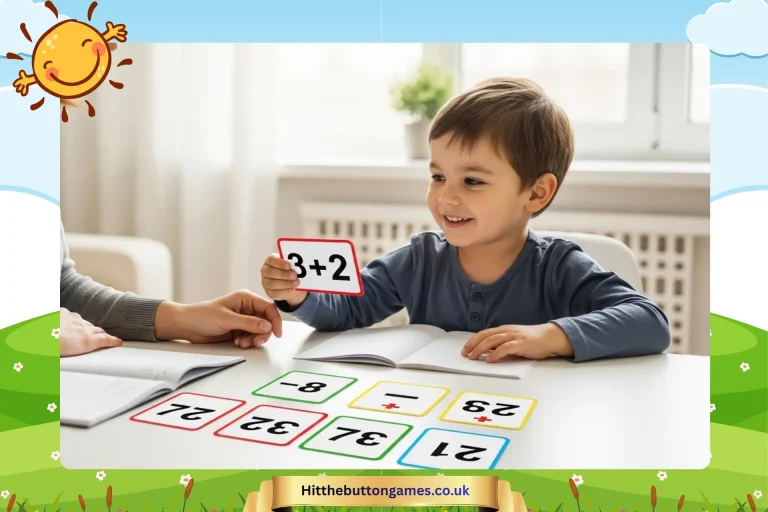
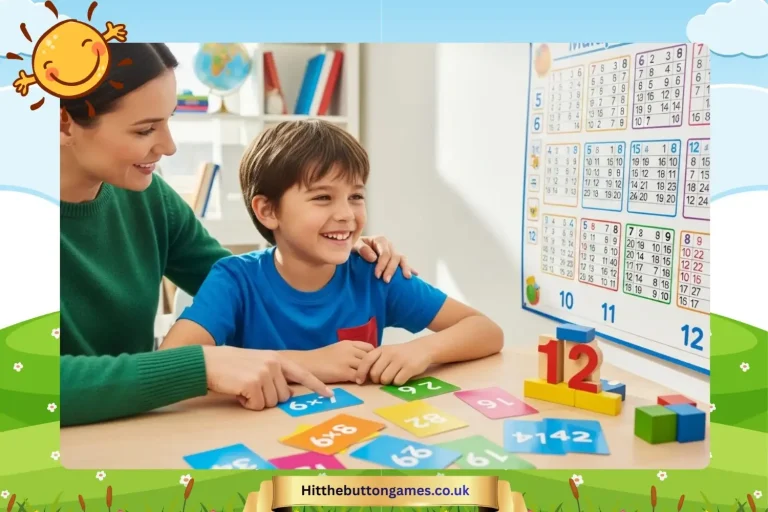
Flashcard Challenges
Flashcards remain one of the fastest ways to improve multiplication facts practice.
Parents or teachers can turn flashcards into mini games. For example:
- Speed rounds
- Memory matching games
- Timed challenges
Flashcards work well alongside multiplication skills worksheets.
Third grade is usually when children start learning multiplication skills seriously. The goal is to build understanding first, not just memorization.
Here is a simple approach for how to teach multiplication to grade 3 learners.
Step 1: Start With Groups
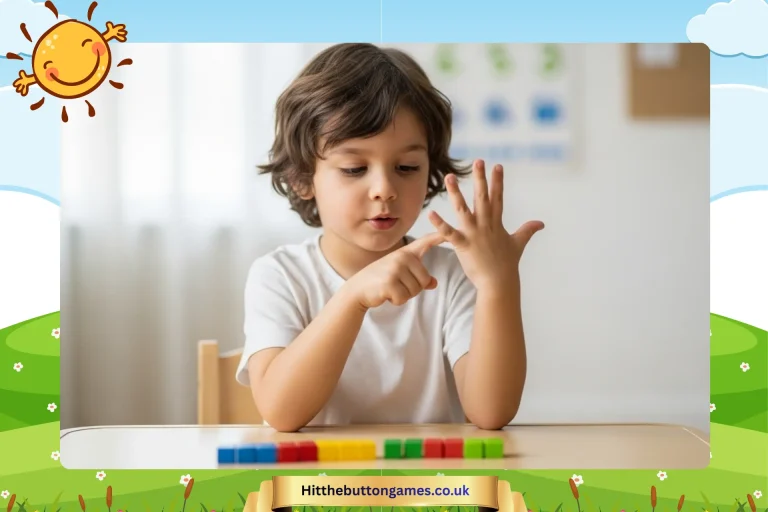
Use real objects like pencils, blocks, or fruit.
Show that 3 groups of 4 items equals 12.
Children understand multiplication skills better when they see groups visually.
Step 2: Connect Multiplication to Addition
Explain that multiplication is repeated addition.
Example:
4 + 4 + 4 = 12
3 × 4 = 12
This builds strong number understanding.
Step 3: Practice With Games
Once students understand the concept, games help them remember the facts.
Short daily practice works better than long study sessions.

Step 4: Use Worksheets for Reinforcement
Multiplication skills worksheets help children apply what they learned in games.
Worksheets also help teachers perform a quick multiplication check to see which facts students still need to practice.
Students in multiplication skills KS2 levels need deeper practice.
At this stage, children should:
- Know most multiplication tables
- Solve problems quickly
- Apply multiplication in word problems
Games can still play a big role.
Challenge based games that include scoring, timed rounds, or puzzles keep older students engaged.
Some resources can make learning easier and more structured.
Printable Fact Guides
Many teachers recommend using multiplication facts that stick pdf resources.
These guides teach patterns in multiplication tables. Understanding patterns helps students remember facts faster.
Structured Practice Sheets
Practice sheets that focus on one table at a time help children avoid feeling overwhelmed.
Combining worksheets with games creates a balanced learning routine.
A balanced routine helps build strong multiplication skills.
Example weekly routine:
Monday
Learn a new multiplication pattern
Tuesday
Play multiplication games
Wednesday
Use multiplication skills worksheets
Thursday
Flashcard practice
Friday
Quick multiplication check
Weekend
Fun online multiplication games
This routine keeps learning consistent without making it stressful.
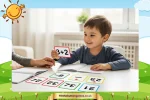
Many parents and teachers make small mistakes that slow learning.
Forcing Memorization Too Early
Children should understand groups and patterns first.
Too Many Worksheets
Worksheets help, but they should not replace games and hands-on learning.
Long Study Sessions
Short daily practice works better than long sessions once a week.
Ignoring Struggling Students
Some kids need visual learning, others need movement or games.
Different methods should be used for different learners.
Parents can support multiplication learning without turning the home into a classroom.
Helpful ideas include:
- Play quick multiplication games after dinner
- Use flashcards during short breaks
- Turn everyday situations into math practice
- Praise effort, not just correct answers
Learning should feel positive and encouraging.
When used regularly, math games help children:
- Improve multiplication fact recall
- Develop faster problem solving skills
- Gain confidence in math
- Build stronger number sense
- Enjoy learning math
Most importantly, children begin to see math as something they can succeed at.
How long should children practice multiplication each day?
About 20 minutes is usually enough. Short, regular practice is more effective than long study sessions.
Are multiplication games enough on their own?
Games are powerful but work best when combined with worksheets, flashcards, and guided lessons.
What is the fastest way to remember multiplication tables?
Practice patterns, play games regularly, and review facts daily. Resources like multiplication facts that stick pdf can also help.
At what age should children learn multiplication?
Most schools begin teaching multiplication in Grade 3, but basic concepts can start earlier with simple grouping activities.
How do teachers check multiplication progress?
Teachers often use quizzes, worksheets, and quick classroom games for a multiplication check.
Strong multiplication skills are the foundation for many future math topics. Without them, subjects like division, fractions, and algebra become much harder.
The good news is that multiplication does not have to feel boring or stressful. When children practice through games, challenges, and hands-on activities, learning becomes easier and more enjoyable.
With the right balance of multiplication games, worksheets, and regular practice, kids can build the confidence and speed they need to succeed in math.