How to Master Solving Math Equations Fast 2026?
If your child knows math, but takes a long time to finish his/her problems, you are not alone. Many children know the steps but under pressure hesitate, overthink or forget the basics. Math is not a race for speed. It’s about thinking clearly, having confidence and strong foundations that make solving math equations feel natural.
This guide explains how to help children solve math equations faster and better, both at home and in the classroom, using simple methods that actually work.
Speed does not mean guessing or skipping steps. It means recognizing patterns, recalling facts quickly, and choosing the right method without panic. When children gain speed, they usually gain accuracy too.
Fast problem-solving helps in exams, daily homework, and advanced topics later. It also reduces math anxiety, which is one of the biggest blockers for kids.
Understand Before Speed
Children cannot be fast at something they do not understand. Before pushing speed, make sure your child understands what math equations are and why they work.
Use simple math equations examples like
2 + 3 = 5
10 − 4 = 6
Ask them to explain how they got the answer. Speaking builds clarity.
Build Number Sense Daily
Number sense means knowing how numbers relate to each other. This helps children estimate, adjust, and check answers quickly.
Use daily moments like shopping, cooking, or counting steps. These small habits train the brain without pressure.
Mental math is one of the best ways to improve speed. It forces the brain to work actively instead of relying on tools.
Start with easy math equations to solve in the head. For example, adding single-digit numbers or multiplying by 10. Slowly increase difficulty as confidence grows.
Avoid using a math equation calculator too early. Calculators are useful later, but early reliance slows mental growth.
Long study sessions often reduce focus. Short practice works better.

Aim for 15 to 20 minutes a day. Keep it consistent. Regular exposure helps children recall steps faster without feeling tired or stressed.
Timed Challenges Without Pressure
Set a gentle timer and ask your child to solve a small set of math equations online or on paper. Focus on beating their own time, not competing with others. Praise effort, not just speed.
Use Games and Apps Wisely
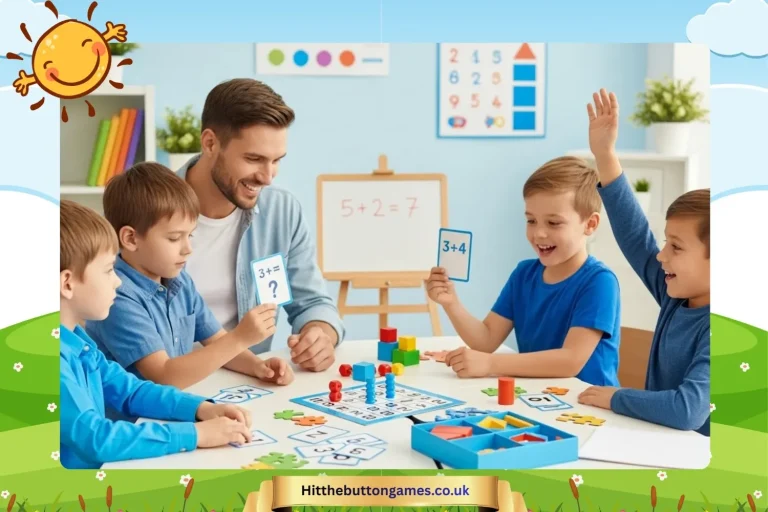
Some apps turn math into a game and improve reaction time. Choose apps that show math equations with answers after each question so children learn from mistakes.
Avoid apps that rush too fast without explanation.
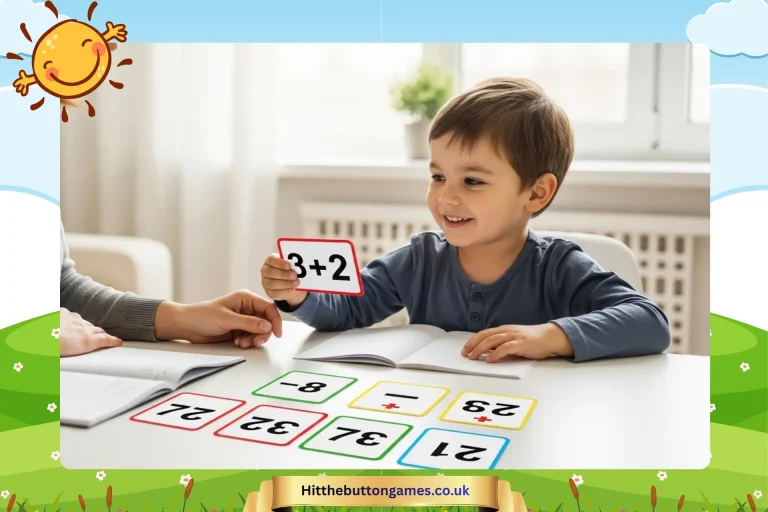
Flashcards help lock facts into memory. When facts are automatic, speed increases naturally.
Start with addition and subtraction. Move to multiplication and division later. Make custom cards for weak areas instead of random practice.
Children who struggle with speed often skip basics too quickly.
Addition and Subtraction First
If these are slow, everything else will be slow. Make sure your child can solve them without counting fingers.
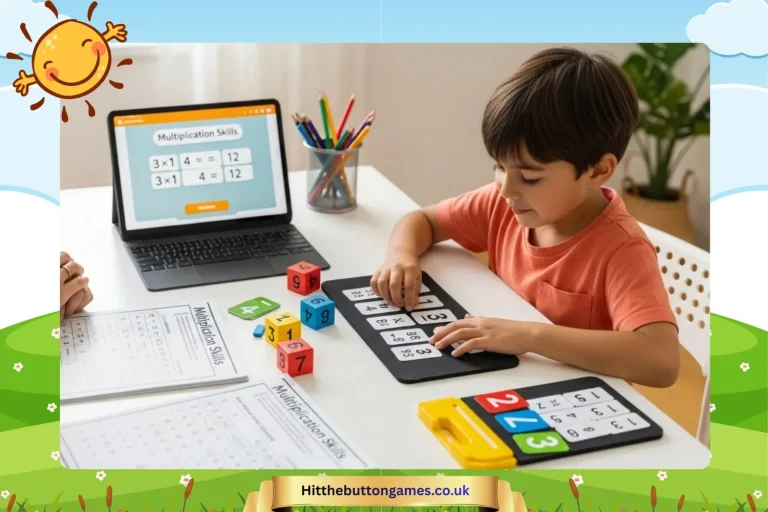
Then Multiplication and Division
Knowing tables well saves time in complex problems. This is especially important before moving to algebra and higher-level math equations.
Big problems feel scary and slow kids down. Breaking problems builds control and confidence.
Show them how to split one equation into smaller steps. This method is useful from basic word problems to advanced topics like math genie solving equations.

Teach children simple strategies like estimating first or checking answers quickly. These habits reduce hesitation.
These skills later help with advanced topics such as math genie forming and solving equations and even math class 12 differential equations.
Visual aids reduce thinking time.
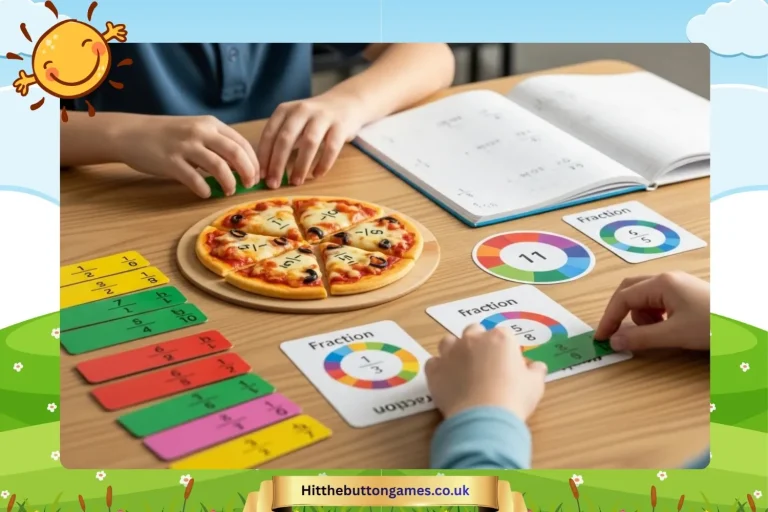
Number lines, charts, and diagrams help children see patterns instead of calculating from scratch. This is helpful for learners who struggle with abstract thinking.
Speed without accuracy creates bad habits.
During practice, check mistakes together. Show why the answer was wrong and how to fix it. This prevents repeated errors and builds trust in their thinking.
Stress slows the brain. Avoid pressure, comparisons, or negative comments. Celebrate small wins like finishing faster than last week. Confidence is one of the biggest speed boosters.
A routine tells the brain it is time to focus. Choose a fixed time each day for math practice. Add short breaks when needed. A fresh mind solves faster than a tired one.
Math equation online tools can be helpful when used correctly. They offer practice, instant feedback, and progress tracking.
Explain that a math equations calculator is for checking work, not replacing thinking. This keeps learning active.
As children grow, speed becomes important in advanced areas too. Topics like Maths Genie quadratic simultaneous equations and Maths A-level differential equations require strong basics and clear thinking.

Early habits make these topics less intimidating later.
One common mistake is rushing without understanding. Another is relying too much on calculators or copying methods without knowing why they work.
Fixing these early saves years of struggle. It helps children feel confident and calm with math. For extra practice and support, visit Free Math Resources.
Helping children solve math equations faster is a gradual process, not a quick fix. With clear understanding, short daily practice, and a positive attitude, speed improves naturally.
Focus on confidence first. When children trust their thinking, speed follows on its own.