Mastering Arithmetic Skills in 2026 with Confidence
Do numbers sometimes feel stressful or dull? You’re not alone. Many children (and adults) struggle with simple arithmetic not because they can’t learn it, but because the practice is boring and repetitive.
The good news is this. Arithmetic math does not have to feel like a worksheet. With the right games, you can build strong arithmetic skills while having fun at the same time.
This guide will show you what arithmetic skills really mean, why games work so well, and how to use them at home or in the classroom.
The arithmetic meaning is simple. It refers to working with numbers using addition, subtraction, multiplication, and division. These are the building blocks of all math.
So when we talk about arithmetic skills, we mean the ability to
- Add and subtract accurately
- Multiply and divide with confidence
- Solve number problems quickly
- Use mental arithmetic skills without always needing a calculator
Arithmetic Skills Examples
Here are clear examples of what strong arithmetic skills look like:
- Adding 47 + 36 without writing it down
- Knowing that 8 × 7 equals 56 without counting
- Figuring out change after buying something
- Splitting a bill evenly between friends
- Estimating totals while shopping
These skills are not just for school. They are life skills.
Before fixing the problem, we need to understand it.
Many students:
- Memorize steps but do not understand why they work
- Rely too much on calculators
- Feel anxious about making mistakes
- Get bored with repeated worksheets
This is where games make a real difference. They turn practice into action. Instead of fearing mistakes, learners try again. Instead of memorizing blindly, they apply numbers in real situations.
Math games work because they make the brain active.
When students play, they:
- Think faster
- Make quick decisions
- Spot number patterns
- Practice mental arithmetic skills without pressure
Games also create repetition without boredom. A child may solve 30 addition problems in a game and not even realize it.
Different learners enjoy different formats. The key is choosing the right type.
1. Board Games With Numbers
Classic games like Monopoly help with money handling and quick calculations. Players add rent, subtract costs, and count cash often.
Math Bingo is another strong option. It improves speed and accuracy in addition or multiplication.

These games are excellent for arithmetic skills for students because they mix strategy with number practice.
2. Card Games That Build Speed
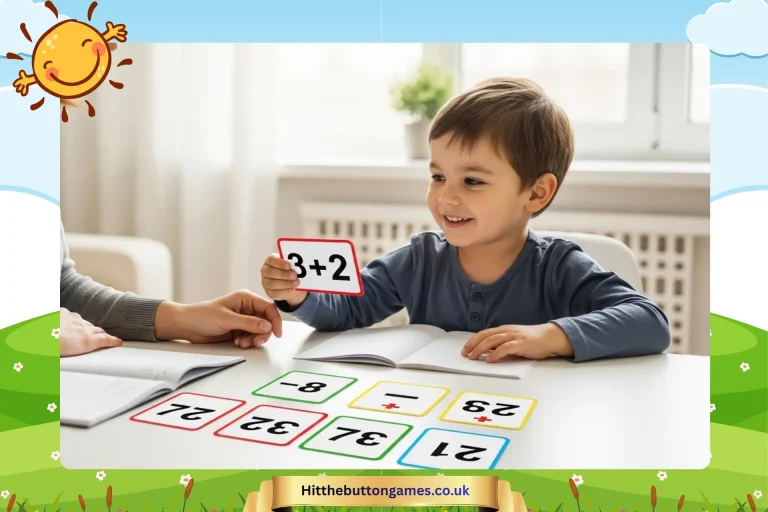
Simple card games can improve mental math fast.
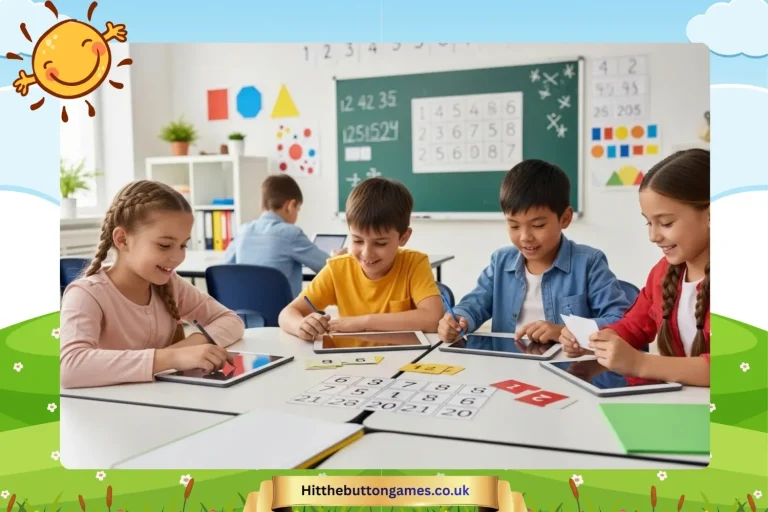
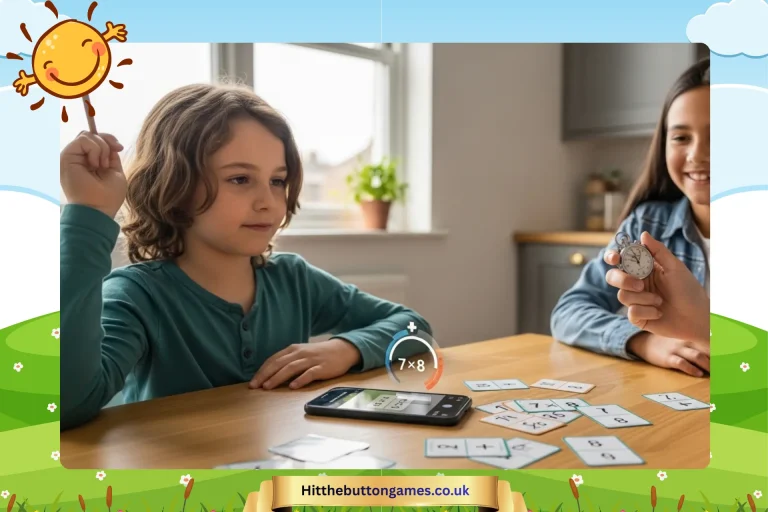
Math War is a great example. Each player flips cards and must add, subtract, or multiply before the other person. This builds quick thinking.
Uno also helps with number recognition and sequence logic, especially for younger learners.
Card games are easy to set up and work well for arithmetic skills KS2 learners.
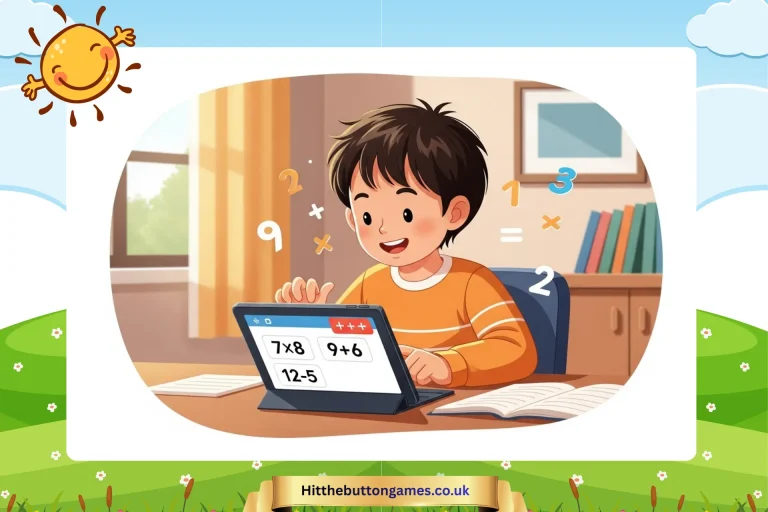
3. Online Math Games
Digital platforms offer interactive challenges.
Some focus on speed drills. Others use adventure stories where you solve arithmetic problems to move forward.
Online games are helpful for:
- Independent practice
- Different difficulty levels
- Tracking improvement
They are especially useful for arithmetic skills for students who enjoy screen-based learning.
4. Physical Math Games
Some children learn better when they move. Try math relay races. Students run to a board, solve a problem, and return.
You can also play jump counting games where children skip count while jumping. This improves multiplication fluency and builds confidence.
Movement helps reduce math anxiety and improves focus. It also strengthens number recognition by helping learners connect numbers with physical actions.
Arithmetic skills for adults matter more than most people think.
Adults use arithmetic to
- Budget money
- Calculate discounts
- Compare prices
- Measure ingredients
- Track expenses
Games like Sudoku, number puzzles, or mental math apps keep the brain sharp.

Regular practice improves mental agility and memory. It also reduces dependence on calculators.
Not every game works for every learner.
Here is what to consider:
- Age and grade level
- Confidence level
- Attention span
- Learning style
For arithmetic skills KS2 students, focus on multiplication fluency and word problems.
For teens or adults, focus more on mental arithmetic skills and real-world application.
Games help, but only if used correctly.
Mistake 1: Choosing Games That Are Too Hard
If the level is too high, learners feel frustrated. Start slightly below their level to build confidence.
Mistake 2: Focusing Only on Speed
Accuracy matters more than speed at first. Build understanding before pushing quick answers.
Mistake 3: Playing Without Discussion
After the game, ask simple questions.
How did you solve that?
Why did that answer work?
Reflection strengthens understanding.
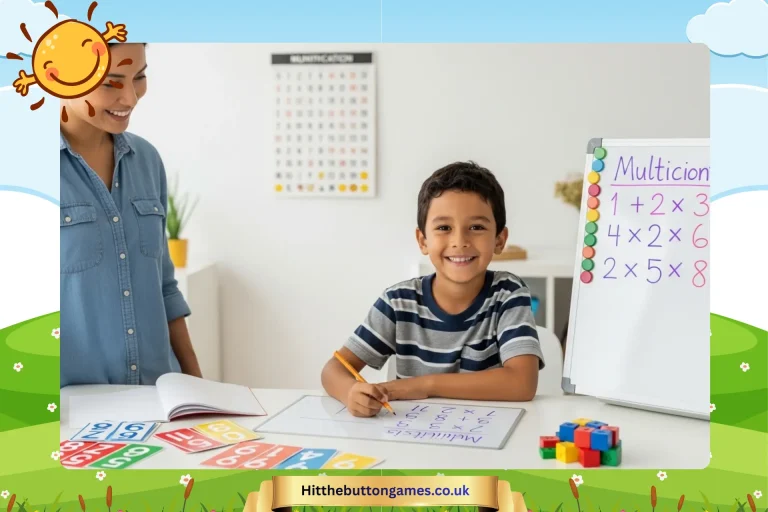
Parents can easily include arithmetic practice in daily life.
Try this:
- Let your child calculate grocery totals
- Ask them to measure ingredients while cooking
- Play quick number challenges during car rides
- Use card games during family nights
Short sessions work best. Ten to fifteen minutes daily is enough.
Teachers can rotate small groups through game stations.
Each station can focus on:
- Addition and subtraction
- Multiplication tables
- Division challenges
- Word-problem solving
Peer competition can motivate students, but keep it friendly. The goal is progress, not pressure.
Strong arithmetic math skills improve more than test scores.
They build:
- Logical thinking
- Confidence
- Problem-solving ability
- Decision-making skills
Students who feel confident with numbers are more likely to enjoy higher-level math later.
Pros
- Increase engagement
- Reduce anxiety
- Encourage repetition
- Build mental arithmetic skills
- Make learning social and interactive
Limitations
- Can distract if not guided
- May focus too much on speed
- Not all games match curriculum goals
Balance games with clear learning objectives.
What is the arithmetic meaning in simple words?
Arithmetic means basic math using addition, subtraction, multiplication, and division.
How do games improve arithmetic skills?
Games create active practice. They encourage quick thinking, repetition, and problem-solving without stress.
Are math games useful for arithmetic skills KS2 learners?
Yes. KS2 students benefit greatly from multiplication, division, and word problem games that build fluency and confidence.
Can adults improve arithmetic skills through games?
Absolutely. Number puzzles and mental math challenges keep the brain sharp and improve everyday calculation skills.
What are simple arithmetic skills examples for beginners?
Counting money, adding small numbers mentally, multiplying basic tables, and estimating totals are all strong examples.
Arithmetic does not have to feel heavy or confusing. With the right games, practice becomes natural and even exciting.
Whether you are building arithmetic skills for students, strengthening arithmetic skills for KS2, or improving arithmetic skills for adults, the key is simple. Make practice active. Keep it consistent. Focus on understanding, not just speed.
Numbers become easier when learning feels enjoyable. And when learners feel confident, real progress follows.