Practice Addition for Confident Young Learners 2026
Does your child go into a cold sweat at the sight of a simple addition problem? Or perhaps they are able to solve it, but it takes too long and they lose confidence. Many kids struggle not because addition is too hard, but because they don’t get enough fun and meaningful practice.
The good news is this. When children practice addition through games, movement, and simple challenges, they learn faster and enjoy it more. In this guide, you will find practical ideas, worksheets, online tools, and offline games that really work at home.
Addition is the base for almost all future math skills. Children use it for subtraction, multiplication, money, time, and problem solving.
When kids practice addition regularly, they build number sense. They stop counting on fingers and start seeing patterns in numbers. This makes them quicker and more confident.
Without steady practice, many students fall behind by grade 2 or 3. That is why simple daily addition practice matters so much.
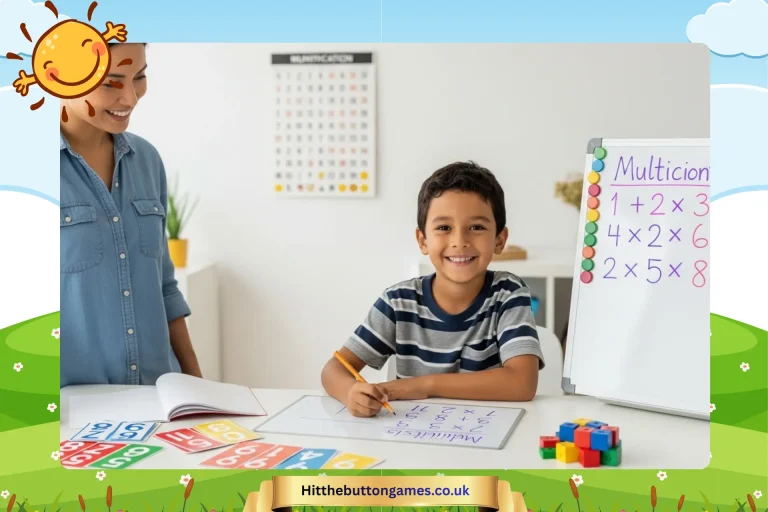
Worksheets are useful, but they are not the only way. Kids learn best when they mix paper work, games, and hands on activities.
Here are proven methods that make addition stick.
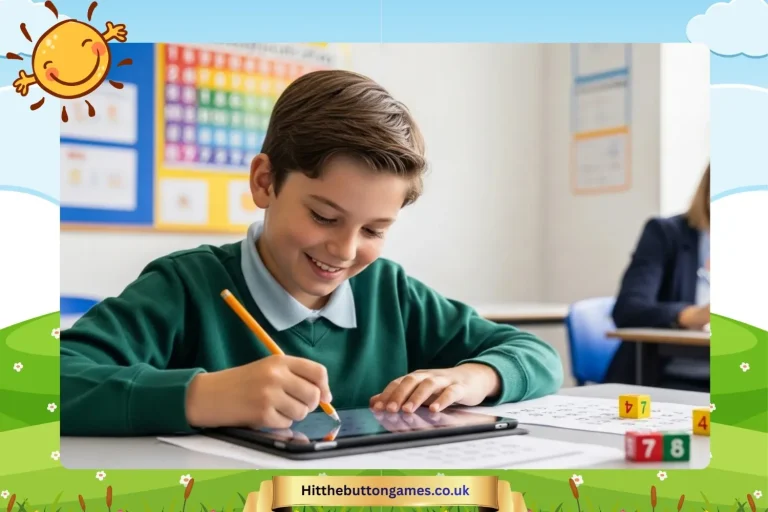
Worksheets still play an important role. They help children focus, repeat skills, and check progress.
Look for:
- Clear layout with large numbers
- One skill per page
- A mix of pictures and numbers
- Gradual increase in difficulty
If you are teaching younger students, addition worksheets grade 1 should focus on numbers up to 20. Use visual aids like dots or objects.
You can also download practice addition worksheets free from trusted education websites. Print them weekly and keep a small folder for daily review.
When to Use Practice Addition Worksheets PDF
A practice addition worksheets PDF file is useful because:
- You can print it anytime
- It works without internet
- It is easy to reuse in class
Many parents prefer practice addition worksheets pdf bundles because they provide structured weekly practice.
Just make sure the worksheets are not too long. Ten to fifteen problems per session is enough for grade 1.

Games reduce pressure. Children focus on winning instead of worrying about mistakes.
Addition War With Cards
Use a regular deck of cards. Each player flips two cards and adds the numbers. The first one to say the correct sum wins the round.
This game builds speed and mental math skills. You can make it harder by flipping three cards.
Dice Roll and Add
Roll two dice and add the numbers. Keep score on paper.
Set a target like 50 points. The first player to reach it wins. This works great for quick daily practice addition free at home.
Young learners need movement and color. That is where addition games for grade 1 make a big difference.
Hop and Add
Draw numbers on the ground with chalk. Call out a simple addition problem. The child jumps to the correct answer.
This method helps children connect movement with numbers. It works well for active learners.
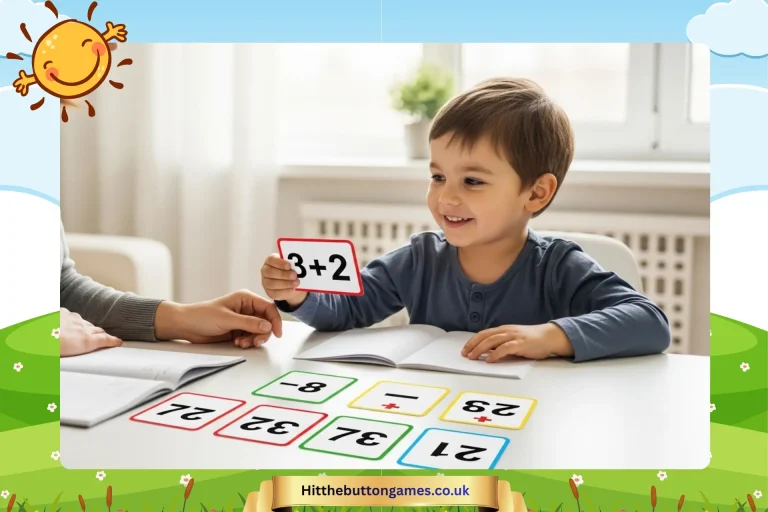
Flashcard Speed Rounds
Show one card at a time. Give your child five seconds to answer.
This builds quick recall. Keep sessions short so they stay fun.
Digital tools can be powerful if used correctly. Many platforms now offer addition online practice with instant feedback.
Good online tools should:
- Adjust to your child’s level
- Provide hints
- Show progress reports
- Keep sessions short and interactive
One popular mental math tool is Hit the Button Math. It focuses on speed and accuracy. Kids answer timed questions and try to beat their own scores.

Another option is Prodigy Math Game, where students solve math problems during battles. It feels like a video game, but it reinforces core skills.
Online practice works best when limited to 10 to 15 minutes per day.
Some parents rely only on worksheets. Others use only games. The best results come from mixing both.
For example:
- Monday to Wednesday: Short worksheet session
- Thursday: Card or dice game
- Friday: Addition online practice
This balance prevents burnout and builds strong skills.
Many adults accidentally make addition harder than it needs to be.
Teaching Too Fast
If a child still counts on fingers, that is okay. Rushing to bigger numbers creates stress.
Giving Too Many Problems
More is not always better. Short and focused sessions work best.
Ignoring Word Problems
Addition is not just about numbers. Real life problems help children understand why math matters.
If your child finds addition difficult, try these steps:
- Go back to counting objects like buttons or toys.
- Use number lines to show how numbers move forward.
- Break bigger problems into smaller ones.
Encourage effort, not just correct answers. Confidence grows with small wins.
At home, keep practice simple and consistent. Five to ten minutes daily is enough. In classrooms, teachers can:
- Use group addition games
- Create math stations
- Offer printable practice addition worksheets free
- Provide a weekly practice addition pdf pack
Short daily practice works better than one long session.
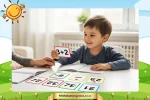
When children practice addition often, they:
- Solve problems faster
- Make fewer careless mistakes
- Feel more confident in math class
- Perform better in higher grades
Strong addition skills also support subtraction and multiplication later.
Worksheets
- Pros: Structured and easy to track progress
- Limitations: Can feel repetitive if overused
Games
- Pros: Fun and motivating
- Limitations: May lack written practice
Online Practice
- Pros: Instant feedback and progress tracking
- Limitations: Requires screen time control
A balanced approach solves most of these issues.
How often should my child practice addition?
Daily short sessions work best. Five to fifteen minutes is enough for grade 1 students.
Are practice addition worksheets free online reliable?
Many are helpful, especially from educational websites. Always check that the level matches your child’s grade.
Is addition online practice better than paper worksheets?
Both are useful. Online tools build speed, while worksheets improve writing and problem setup.
What is the best way to use a practice addition worksheets PDF?
Print a few pages at a time. Avoid overwhelming your child with a large stack.
Can addition games for grade 1 work in a classroom?
Yes. Teachers can use group games, flashcards, or board activities to make learning interactive and collaborative.
Addition does not have to feel stressful or boring. With the right mix of worksheets, hands on games, and smart online tools, children can practice addition in ways that feel natural and enjoyable.
Keep sessions short. Stay consistent. Focus on understanding, not just speed.
When kids feel confident with addition, everything else in math becomes easier.