Powerful Multiplication Recall Made Simple and Fun 2026
If your kid freezes when someone asks, ‘What’s 7 times 8?’ you are not alone. Most kids get multiplication but they have difficulty answering quickly. That pause can shake their confidence, particularly in a multiplication tables check or timed quiz.
Fast recall of multiplications is not pressure. It’s about clearing up brain space. When children have their facts at their fingertips they can concentrate on more difficult maths such as fractions, long division and problem solving.
When a child has to count on their fingers for 6 × 7, their working memory gets overloaded. That makes multi-step math much harder.
Strong recall helps with:
- Division and fractions
- Word problems
- Mental math
- Confidence during the multiplication check year 4
In England, pupils take the multiplication tables check, MTC, in Year 4. It is timed, so speed matters as much as accuracy. Good preparation removes fear and builds calm confidence.
Before chasing speed, make sure your child understands what multiplication recall means.
Multiplication is repeated addition and equal groups. If they do not understand this, memorising facts will feel random and frustrating.
Use simple models:
- Draw arrays
- Group small objects
- Skip count aloud
When children see patterns, facts start to stick.
Many children try to memorize every fact separately. That is hard and slow.
Instead, teach patterns:
- The 2, 5, and 10 times tables follow clear patterns
- The 9 times table has digit patterns
- Facts are connected. If they know 4 × 6, they also know 6 × 4
This reduces the number of facts they must memorize.
Long practice sessions cause burnout. Short and frequent sessions work better. Ten minutes a day is enough.

You can try:
- Flashcards
- Quick oral quizzes
- Timed practice sheets
- Online tools like multiplication mathframe
Consistency builds speed naturally.
Many parents search for Mathframe multiplication check free tools. The website MathsFrame offers interactive practice games that mirror the real Year 4 format.
If your child is preparing for the national test, the Mathsframe multiplication check year 4 practice mode is helpful because:
- It follows the timed structure
- Questions appear one at a time
- It builds familiarity with the format
Using multiplication tables and checking Mathsframe practice helps reduce anxiety because children know what to expect. Just remember that online tools should support learning, not replace understanding.
Speed improves when practice feels playful. Try these ideas:
Multiplication Bingo
Call out answers and let your child find the matching fact. This builds quick thinking.
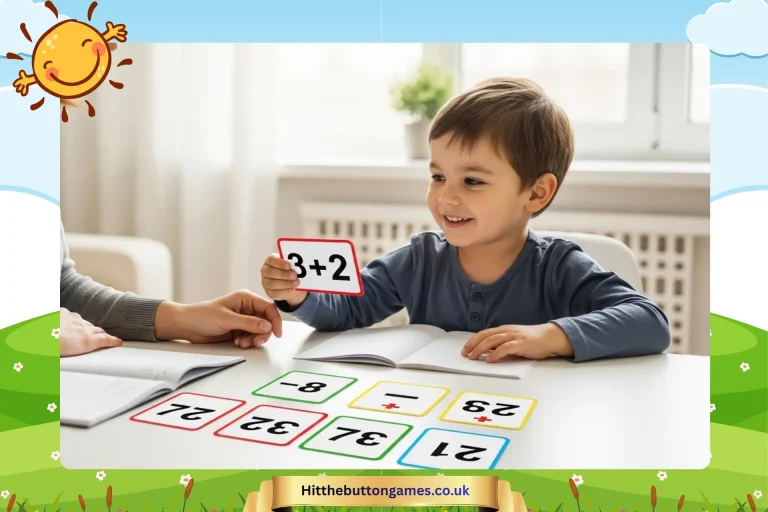
Card Multiplication
Pick two cards and multiply the numbers. Keep score for extra excitement.
Beat the Clock
Set a one-minute timer. See how many correct answers they can give. Try to beat yesterday’s score, not someone else’s.
Games lower pressure and increase repetition.
The multiplication check in year 4 is short but timed. Children get a few seconds per question.
To prepare:

- Practice answering within six seconds.
- Mix all tables up to 12 × 12.
- Simulate real test conditions once or twice a week.
You can use multiplication check practice resources online or printable sheets.
Avoid overdrilling. Two or three timed sessions per week are enough.
Problem: They Panic During Timed Tests
Solution: Practice under gentle timing at home. Start without a timer, then slowly introduce one.
Problem: They Mix Up Similar Facts
For example, 6 × 7 and 7 × 8.
Solution: Practice tricky facts more often and group them together.
Problem: They Avoid Practice
Solution: Keep sessions short and end on a success. Confidence builds motivation.
Every child learns differently.
Visual learners benefit from:
- Charts
- Color-coded tables
- Arrays
Auditory learners benefit from:
- Chanting times tables
- Listening to Multiplication Recall songs
Kinesthetic learners benefit from:
- Using blocks
- Jumping while skip counting
- Writing facts in sand or shaving foam
When practice matches their learning style, recall improves faster.
Timed drills improve speed. That helps with the multiplication tables check, MTC.
However, too much timing can create stress. Balance speed work with relaxed review sessions. The goal is confident recall, not fear.
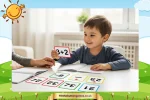
At Home:
- Practice during car rides
- Ask quick questions while cooking
- Use shopping totals for real-world multiplication
In the Classroom:
- Start lessons with five-minute recall warm-ups
- Rotate between games and drills
- Track personal progress, not class rankings
Children improve faster when they compete against their past self.
Building strong multiplication recall is not about pressure or endless worksheets. It is about smart repetition, pattern recognition, and confidence.
When children understand multiplication and practice a little each day, they get faster without stress. Using games, short drills, and helpful tools like math frame tables builds strong arithmetic skills and helps them feel ready and confident for the test.
Most importantly, they begin to see themselves as capable mathematicians. And that confidence carries far beyond Year 4.