Helping Children to Learn Math Facts Without Trouble 2026
Most parents want to help their children with math but are not sure where to start. Math facts feel small, yet they shape how children think, solve problems, and feel about learning. When math facts are weak, everything that follows feels harder.
This guide focuses on helping children learn mathematics in a way that feels safe, clear, and doable. It works for home and classroom use and supports children with different needs, including helping children with ADHD, anxiety, autism, and learning gaps caused by stress or change.
Math facts are the most important parts of math thinking. When kids know them well, their brains can focus on solving problems instead of just remembering them.
Strong math facts help you feel confident, work quickly, and be accurate. They also help kids with anxiety or trauma learn better by making them less frustrated, which is important.
Helping children starts with how they feel, not what they memorize. A calm and predictable space lowers stress and improves focus.
Choose a quiet spot with good light and simple tools like paper, pencils, and counters. Keep practice short and regular so math feels normal, not scary.
Parents should help their kids by focusing on effort, not on being perfect. Mistakes are a sign of learning, not failure.
Games remove pressure and replace it with curiosity. This works well for helping autistic children and children who shut down under stress.
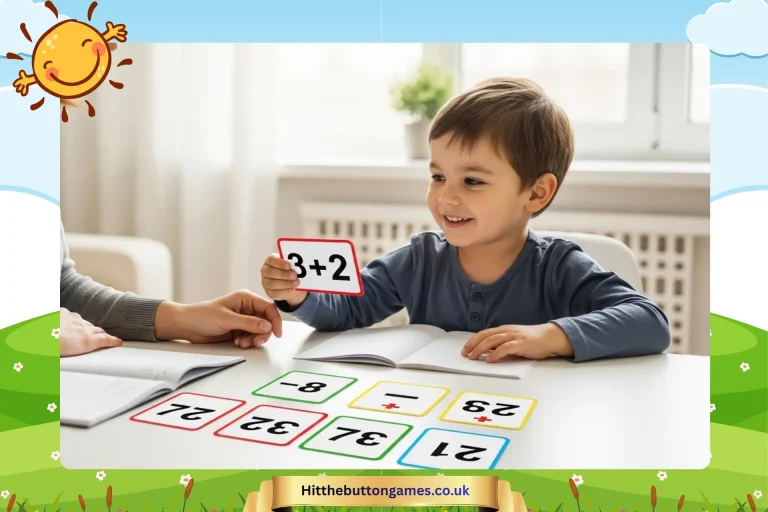
Try card games, number dice, or digital tools like quick math games that adapt to skill level. Simple competition against the clock, not another child, often works best.
Games also help children who struggle with attention. This is why many occupational therapy helping the children programs use play as a core method.
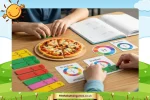
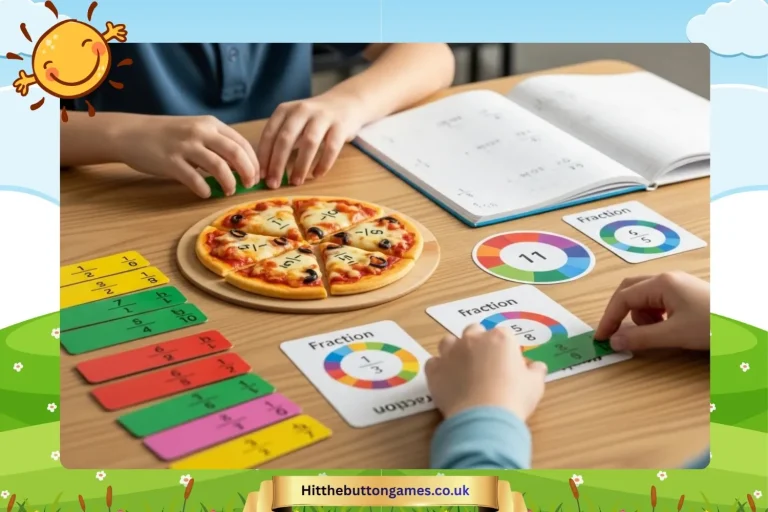
Children understand better when they can touch and see math. This is especially true for children with autism and helping children with ADHD.
Use blocks, beads, or coins to show how numbers combine. Draw number lines to show jumps instead of memorized steps.
Real-life math matters too. Cooking, shopping, and measuring are powerful ways of adding it up and helping children learn mathematics naturally.
Repetition works, but only when it feels manageable. Five minutes every day beats one long session each week.
Use spaced practice to revisit facts over time. This supports memory and helps children who forget easily.
Consistency matters more than speed. This is a key lesson for parents helping children who feel behind.
Every child learns differently. Some children need visuals; others need movement or sound.
Helping children with grief, divorce, or major life changes requires extra patience. Learning may slow down, and that is okay.
Children with learning differences may benefit from OT helping children with programs or one-on-one support. Occupational therapy helping children often focuses on focus, coordination, and confidence.

Rewards should encourage effort, not fear. Small wins build momentum.
Praise progress, not scores. Celebrate when your child tries again after a mistake.
Many people helping children professionally agree that emotional safety matters as much as skill building.
If progress stalls, outside support can help. Tutors, therapists, or school programs can offer fresh approaches.
Some families explore helping children with autism with packages or helping children with autism with Medicare options where available. These supports often include math learning strategies.
Choosing the right help matters. Look for someone who explains clearly and respects how your child learns.
Math learning does not exist in isolation. Families, communities, and systems all play a role.
Helping underprivileged children often means providing access to basic learning tools. Helping children worldwide includes supporting education in safe and stable environments.
Many organizations, such as Helping Hands for Children or A Helping Hand Home for Children, focus on giving kids the foundation they need to thrive.
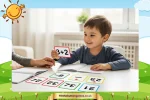
Careers helping children, jobs helping children, and people helping children all share one goal. Helping children grow with confidence and dignity.
Some families find comfort in values and faith during learning struggles. A simple quote about helping children or a Bible verse about helping children can remind kids they are supported.
What matters most is that children feel supported and capable. Games like Hit the Button offer fun ways to build math confidence step by step.
- Do not rush memorization before understanding. Speed comes later.
- Avoid comparing siblings or classmates. Comparison hurts motivation.
- Do not turn math into punishment. This creates fear that can last for years.
Helping children master math facts is not about drilling harder. It is about understanding how children think, feel, and learn.
When adults stay patient, flexible, and supportive, math becomes less of a battle and more of a skill that grows over time. Whether you are a parent, teacher, or part of a community helping other children, your steady support makes a real difference.
Math facts are more than just numbers. They build math confidence, independence, and a strong foundation for lifelong learning.