Daily Math Practice for Faster Skill Growth 2026
Getting students to practice math on a daily basis can seem like an uphill battle. Math is a boring, confusing, or stressful subject for many students. The truth is, they don’t hate math. I don’t like the way it’s often taught and practiced.
When students are confident, curious, and engaged, the best daily math practice occurs. When math is both useful and fun, kids will come willingly and learn more quickly.
This guide explains how to engage students in daily math practice in ways that actually work at home and in the classroom.
Math is a skill that grows with repetition. Just like reading or sports, short daily practice builds speed, accuracy, and confidence.
Skipping regular practice causes students to forget basics. This leads to frustration and gaps that get bigger over time. Daily practice keeps skills fresh and reduces anxiety.
Connect Math to Real Life
Students care more when math feels useful. Show them how math appears in sports scores, video games, shopping, cooking, and time management.
When students understand why they are learning something, they try harder. Real examples turn abstract numbers into meaningful tools.
Focus on Progress Not Perfection
Many students fear mistakes. This fear kills motivation. Help them see mistakes as part of learning, not failure.
Celebrate effort and improvement. Confidence grows when students feel safe to try.
Big goals can overwhelm students. Daily goals should feel doable and clear.
For example, solving five problems correctly or improving speed by one minute is enough. Small wins build momentum and motivation.
Track progress visually using charts or checklists. Seeing improvement keeps students engaged.
Use Math Games Regularly
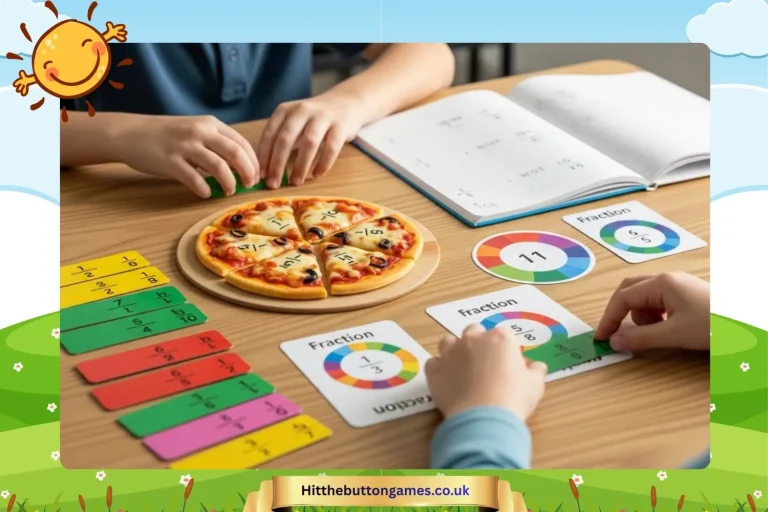
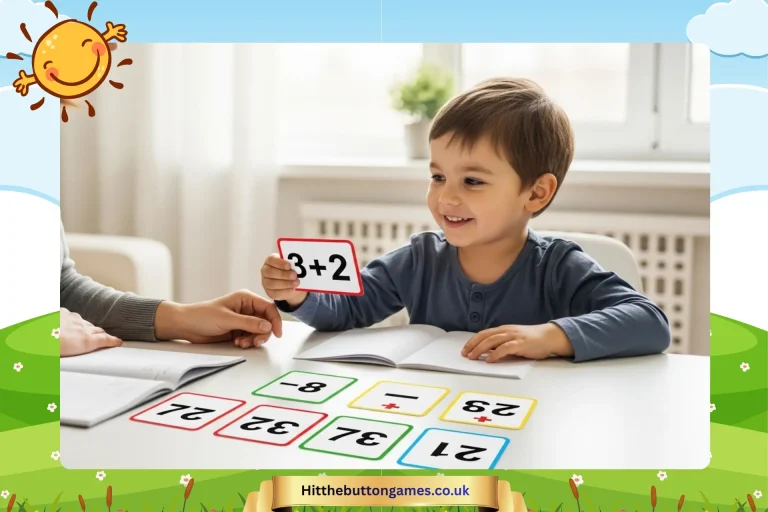
Games turn practice into play. Board games, card games, and digital games all work well.

Math Bingo, number races, and timed challenges make repetition exciting. Friendly competition keeps energy high without pressure.
Rotate Activities Often
Repeating the same worksheet every day leads to boredom. Mix things up with puzzles, riddles, quizzes, and hands-on tasks.
Variety keeps students curious and alert.
Educational apps and websites can make daily practice more engaging. Many platforms adjust difficulty automatically, which helps students stay challenged but not frustrated.
Use technology as a tool, not a replacement for teaching. Short guided practice works better than long screen time.
Match Learning Styles
Some students learn best by seeing. Others need to move or talk through problems. Use visuals, manipulatives, and discussion when possible.
Personalized practice helps students understand faster and remember longer.
Differentiate Skill Levels
Not all students are at the same level. Giving the same task to everyone can discourage both struggling and advanced learners.
Offer choices with different difficulty levels. This builds confidence and keeps everyone growing.
Start With Quick Warm Ups
Begin each session with short review problems. Five minutes is enough to activate the brain.
Warm ups improve focus and help students transition into learning mode.
Practice at the Same Time Daily
Routine creates habit. When math practice happens at the same time each day, resistance drops.

Short and consistent practice works better than long and irregular sessions.
Math does not live only in books. Use daily life to reinforce skills.
Ask students to measure ingredients, count money, estimate time, or compare prices. These moments strengthen understanding naturally.
Use Group Work Wisely
Working with others helps students explain ideas and learn new strategies. Peer discussion improves understanding.
Keep groups small and roles clear to stay focused.
Support Math Clubs and Study Groups
Clubs create a low pressure space to enjoy math. Students feel more relaxed and willing to participate.
Social learning increases motivation and confidence.
Be Clear and Supportive
Good feedback explains what went right and what to improve. Avoid vague comments like good job.
Specific guidance helps students grow faster and feel supported.
Celebrate Every Win
Recognize effort, improvement, and consistency. Rewards do not need to be big. Praise and encouragement matter most.
Positive reinforcement builds long term motivation.
Share Progress Regularly
Parents can support learning better when they know what their child is working on. Simple updates go a long way.

Clear communication builds teamwork between home and school.
Encourage Simple Home Activities
Parents do not need to be math experts. Counting steps, estimating totals, or playing math games at home is enough.
These small actions reinforce daily practice naturally.
Avoid making math practice too long. Short sessions work better.
Do not rely only on worksheets. Balance them with interactive activities.
Never shame mistakes. Fear blocks learning.
Engaging students in daily math practice is not about forcing more work. It is about creating positive experiences with math.
When practice feels achievable, relevant, and supportive, students participate willingly. Over time, confidence grows, skills improve, and math becomes less intimidating.
With the right approach, daily math practice helps students build confidence in solving math equations for life.