Games for Homeschooling Families That Teach with Fun 2026
Homeschooling gives families the freedom to teach children in ways that suit their learning style. One of the most enjoyable ways to make learning effective is through games.
Educational and fun games can transform homeschooling from a routine into an exciting experience. Kids don’t just play; they learn, solve problems, and develop skills that last a lifetime.
Whether you are new to homeschooling or looking for fresh ways to engage your children, games can make lessons memorable and enjoyable. Let’s explore how different types of games can support learning and family time.
Digital, board, and hands-on games that teach kids while keeping them interested are all good for homeschooling. These games make learning fun, which is different from regular lessons. Children can explore concepts, practice skills, and receive instant feedback while having fun.
There are a lot of different kinds of games you can play while homeschooling. Some are free, some are educational, some are for the whole family, and some are even free online.
Games are not just for fun; they make learning more effective in several ways.
1. Keep Children Engaged
Kids learn best when they are interested. Fun games for homeschooling, like puzzle challenges or quiz games, capture attention and make lessons feel less like work. This engagement improves focus and helps children remember concepts longer.
2. Encourage Practice Without Pressure
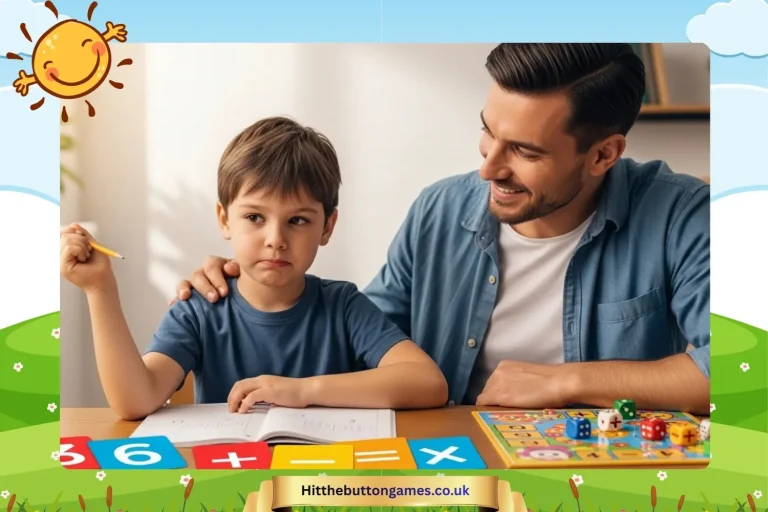
Many educational games allow repeated practice in a low-pressure setting. If a child struggles with a math problem or spelling challenge, they can try again until they succeed. This helps build confidence and perseverance.
3. Teach Skills Through Play
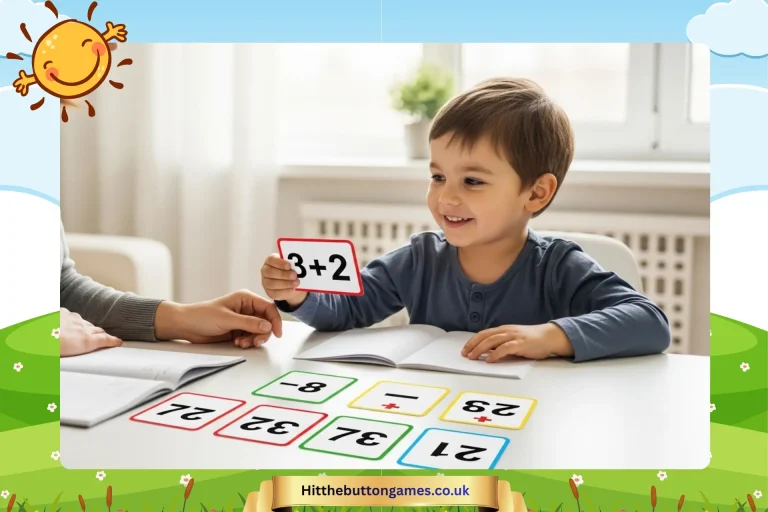
Games develop a variety of skills beyond academics. Critical thinking, problem-solving, cooperation, and decision-making are all strengthened while children play. Family games for homeschooling can even teach social skills and communication.
4. Adapt to Different Learning Styles
Some children learn best visually, others through hands-on activities, and some by listening. Games often include multiple ways to engage, animations, sounds, or interactive puzzles, so every child can learn in a way that works for them.
Free Games for Homeschooling
There are plenty of free online games designed to teach reading, math, science, and more. These games are great for supplementing lessons without extra cost.
Websites offering free games for homeschooling often include progress tracking, making it easier for parents to monitor learning.
Educational Games for Homeschooling
Educational games focus on building specific skills. Math apps, spelling challenges, or science simulations fall under this category.
These games make difficult subjects enjoyable and turn abstract concepts into understandable activities.
Family Games for Homeschooling
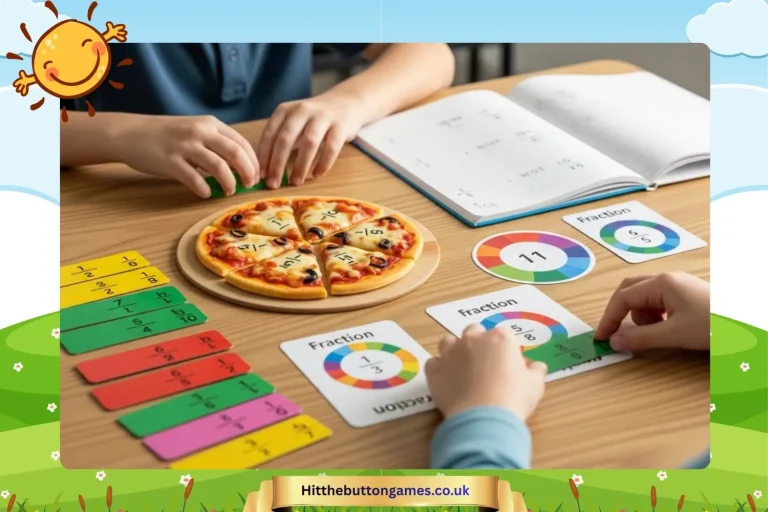
Board games or card games that involve the whole family can reinforce learning and strengthen family bonds. Playing together encourages discussion, teamwork, and healthy competition.

Examples include games that teach math, strategy, or vocabulary. Hit the button to explore more games that help train your child.
Homeschool Games Online Free
Many websites provide free homeschool games online. These games cover a wide range of subjects and often include interactive lessons. They are convenient for parents and give children a chance to learn at their own pace.
Best Board Games for Kids 4 and Up
Board games are perfect for younger learners. Simple counting, matching, or memory games teach foundational skills in a fun way. Games for kids 4 and up also encourage turn-taking, patience, and focus.
Best Board Games for 8- to 10-Year-Olds
Older children can handle more strategic and complex games. Board games for 8 to 10-year-olds challenge logic, planning, and problem-solving while still keeping the experience fun. These games can support math, reading, and reasoning skills naturally.
Best Educational Games Online
High-quality educational games online combine learning and technology. They adapt to each child’s level, provide immediate feedback, and often reward progress with badges or levels. This motivates children to keep learning while having fun.
- Match the Game to Learning Goals
Choose games that support the subjects or skills your child needs to work on. For example, a math game helps with counting, while a word game improves vocabulary. - Consider Age and Skill Level
Games should be challenging but not frustrating. Many games offer difficulty settings so children can progress at their own pace. - Balance Screen Time
Digital games are excellent, but mixing in board games and hands-on activities ensures a healthy balance and variety in learning. - Encourage Participation
Games work best when children are actively involved. Play alongside your child when possible, or encourage friendly competition with siblings. - Monitor Progress
Track performance to understand strengths and areas needing improvement. Many digital games have built-in tools for parents to monitor progress.
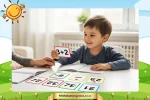
Math Facts Practice Tools make learning numbers quick and fun for kids. These tools help strengthen skills and build confidence in everyday math.
- Schedule regular game time within the homeschool day to keep a consistent routine.
- Avoid using games solely as a reward; integrate them into lessons naturally.
- Rotate different types of games to maintain interest and expose children to multiple skills.
- Encourage reflection after gameplay. Ask your child what they learned or what strategy helped them succeed.
Games are an excellent supplement, but they should not replace core lessons entirely. A balanced approach works best.
Always review the game content and use reputable websites. Many educational games include parental controls for safety.
Play together, discuss the games, and review performance reports. Engagement from parents makes games more meaningful and effective.
Yes. Games can offer repeated practice, immediate feedback, and a low-pressure environment, helping children gain confidence and skills at their own pace.
Games for homeschooling are more than entertainment—they are tools that make learning effective, engaging, and fun. By using free games for homeschooling, educational games for homeschooling, family games for homeschooling, and age-appropriate board games, parents can create a well-rounded learning experience.
Interactive play develops skills, encourages independent learning, and strengthens family bonds. Integrating games into homeschooling is not just about keeping children busy; it’s about helping them thrive academically and socially while enjoying the learning journey.