How to Build Math Confidence in Kids Through Play 2026
Many children do not fail at math because they lack ability. They struggle because they lose confidence early. Once a child believes they are bad at math, learning becomes stressful instead of curious.
The good news is that math confidence can be built naturally through play. Games remove pressure, allow mistakes, and help children feel safe while learning. This article shows how play builds real math confidence, what works at home and school, and how to avoid common mistakes.
Math confidence is not about being fast or perfect. It is about believing you can try, think, and improve.
A confident child is willing to guess, explain their thinking, and try again after mistakes. This mindset matters more than memorizing formulas. Children with strong math confidence perform better over time because they do not shut down when problems feel hard.
Play changes how the brain experiences math. Instead of fear, children feel curiosity and control.
When math feels like a game, children focus on solving instead of worrying about being wrong. This builds emotional safety, which is key for learning. Over time, this safety grows into confidence.
Learning Through Repetition Without Boredom
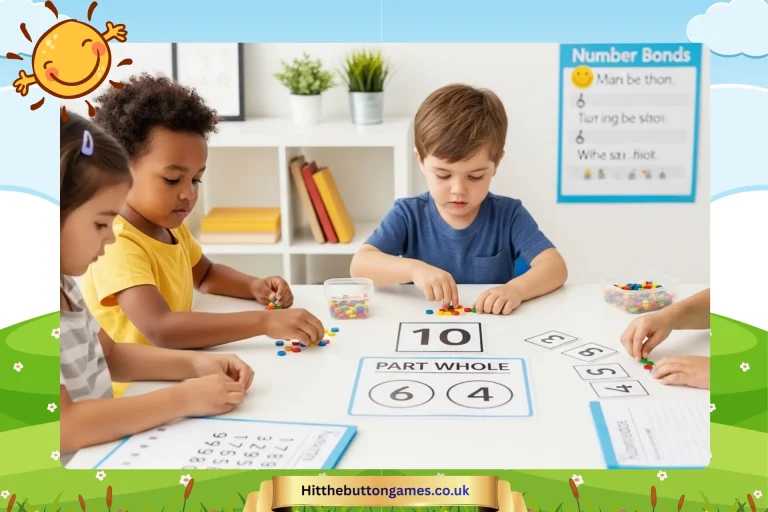
Games repeat skills naturally. Counting moves, adding scores, or comparing values happens again and again.
Because the child is having fun, they practice more without realizing it. This repetition builds fluency and confidence at the same time.
Mistakes Feel Safe During Play
In games, mistakes are normal. A wrong move does not feel like failure.
This helps children learn that errors are part of thinking. That belief is essential for long-term math confidence.
Board and Card Games That Use Real Math
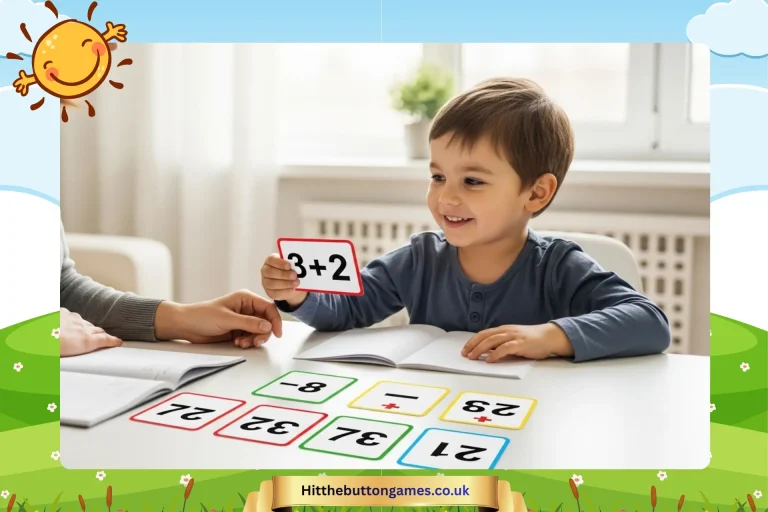
Games like Monopoly, Uno, and Yahtzee use counting, addition, and strategy. Children practice math while focusing on winning or planning.
These games work well for building math confidence in grade 4 and above because they mix numbers with decision-making.
Movement-Based Math Games
Games that involve jumping, clapping, or moving objects help active learners. For example, hopping on number mats or tossing dice across the room.
Movement supports memory and keeps children engaged longer.
Digital Games Used the Right Way
Online games can help when chosen carefully. Short sessions with clear goals work best.
Parents often look for math confidence-free tools online. Many platforms offer free levels that support learning without overwhelming children.
Everyday Math Play at Home
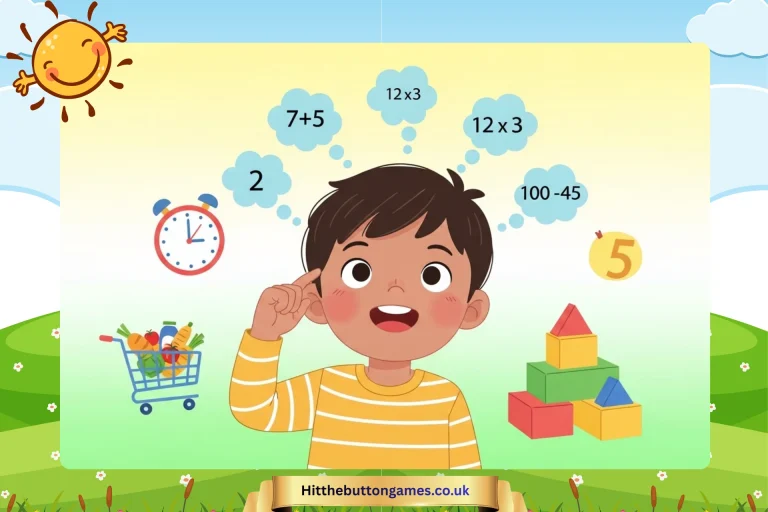
Cooking, shopping, and organizing toys are full of math. Measuring flour or comparing prices teaches real-world skills.
Children see why math matters, which strengthens confidence.
Creative Math Play
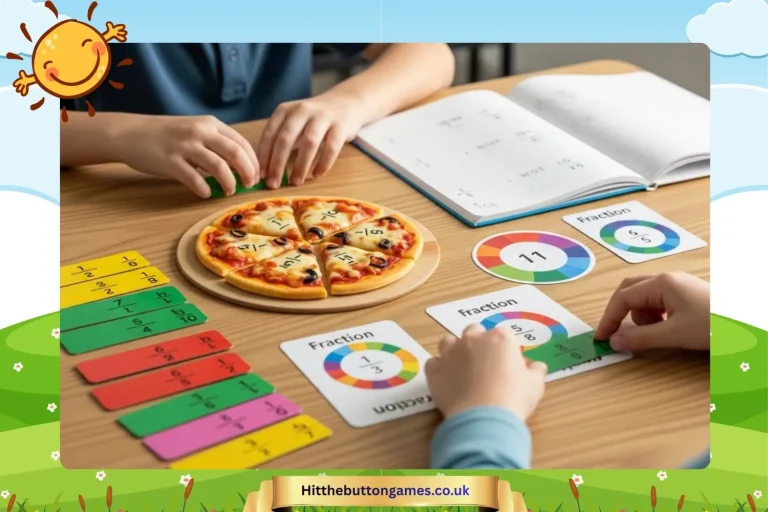
Building with blocks, drawing shapes, or creating number stories helps children understand concepts visually.
This is especially helpful for children who struggle with worksheets. Hit the Button includes a wide range of additional games that help children train more and build stronger math skills through practice.
Worksheets Used the Right Way
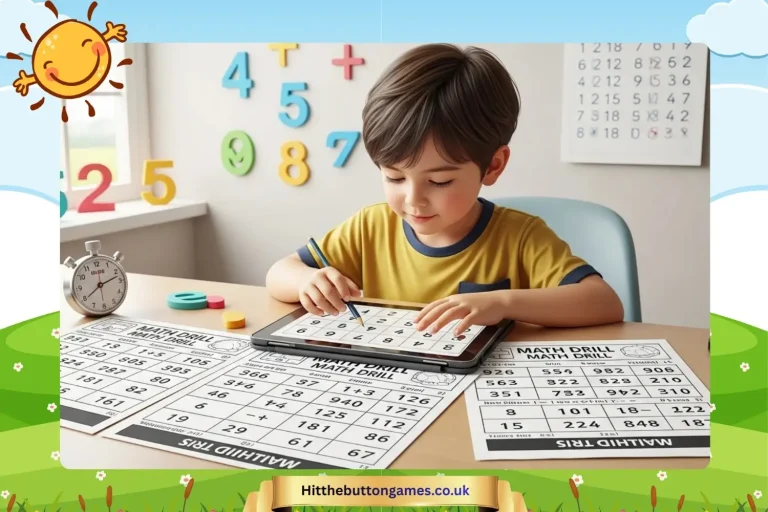
Math confidence worksheets should support thinking, not drill fear. Use them after play, not before.

Short sessions with discussion work better than long pages of problems.
Books and Programs That Support Confidence
Many parents ask about math confidence books or Math With Confidence 1 programs. These resources focus on understanding instead of speed.
Some also include a math with confidence placement test to help parents start at the right level.
Free and Downloadable Options
Families often search for “Math with Confidence” PDF free download resources. Free samples or trial lessons can help test if a method fits your child.
Always choose materials that explain thinking, not just answers.
Pushing Speed Too Early
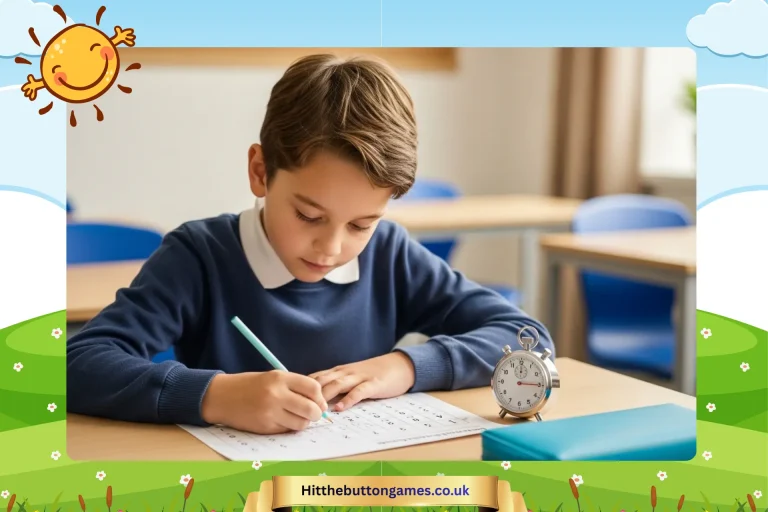
Fast answers do not equal understanding. Timed drills can increase anxiety.
Focus on clear thinking instead of quick responses.
Correcting Too Quickly
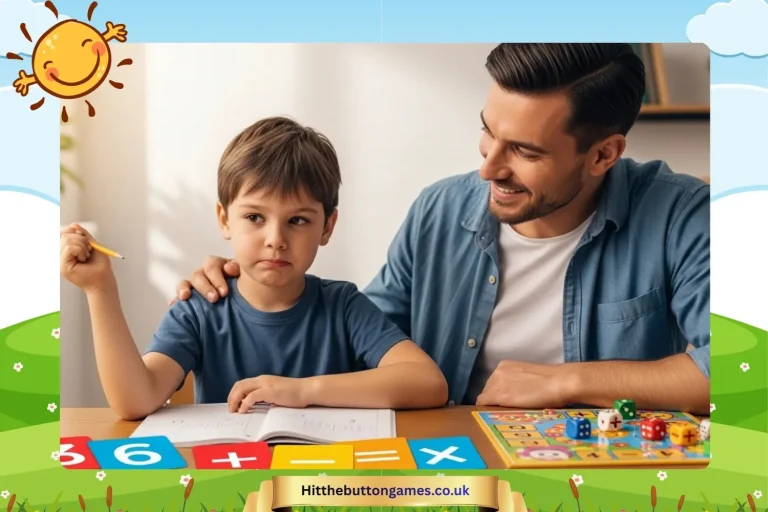
Jumping in with the right answer stops learning. Ask questions instead.
Let children explain their thinking, even if it is incomplete.
Comparing Children to Others
Comparison damages confidence fast. Each child learns math differently.
Measure progress against their own growth, not someone else.
Some children need visual support. Others need movement or stories.
Children with learning differences often gain confidence through games because they reduce pressure. Adjust rules, slow the pace, and celebrate effort.
Play builds confidence, understanding, and curiosity. It supports long-term success.
However, play alone is not enough. Children also need guidance, discussion, and gentle structure. The balance matters.
Math confidence is built through experiences, not lectures. When children feel safe to think, try, and fail, learning follows naturally.
Play gives children that safety. With the right mix of games, guidance, and patience, math can become something children trust themselves to handle. That confidence lasts far beyond the classroom.