How to Teach Math Facts Through Play That Really Works 2026
Do your kids freeze at the sight of a math worksheet? Do they memorize their math facts only to forget them right away? You’re not alone.
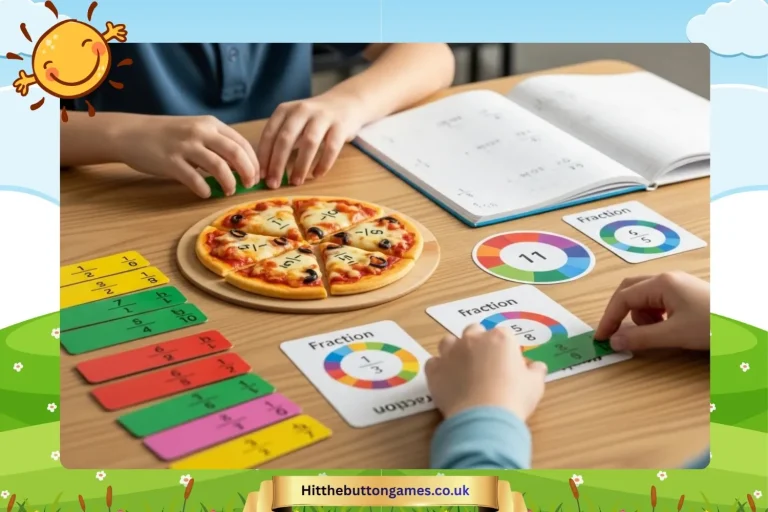
Most children do poorly because they try to memorize numbers without really understanding them. Math facts are learned naturally through play. Kids stay relaxed, curious, and willing to try again when they play Hit the Button games.
This guide will teach you how to teach math facts in a way that builds speed, confidence and long term understanding.
Math facts are basic addition, subtraction, multiplication, and division problems that students should answer quickly without counting on fingers.
Strong math facts help students:
- Solve bigger problems faster
- Feel confident in class
- Avoid math anxiety
- Focus on problem solving instead of simple calculations
When students struggle with math facts, everything else feels harder. That is why building a strong foundation matters.
Many parents ask about the correct order to teach math facts. The order matters because each skill builds on the last.
Here is a simple progression:
- Counting and number recognition
- Addition within 10
- Subtraction within 10
- Addition and subtraction within 20
- Multiplication facts
- Division facts
Always make sure your child understands a concept before moving to speed practice. Understanding comes first. Fluency comes second.
Play reduces pressure. When children feel safe and relaxed, their brains absorb information better.
Games also:
- Encourage repetition without boredom
- Build quick thinking skills
- Create positive emotions around math
- Allow mistakes without embarrassment
Instead of drilling the same worksheet every day, use playful practice that keeps your child engaged.
You do not need fancy materials. Many games use items you already have.
1. Card Flip Addition
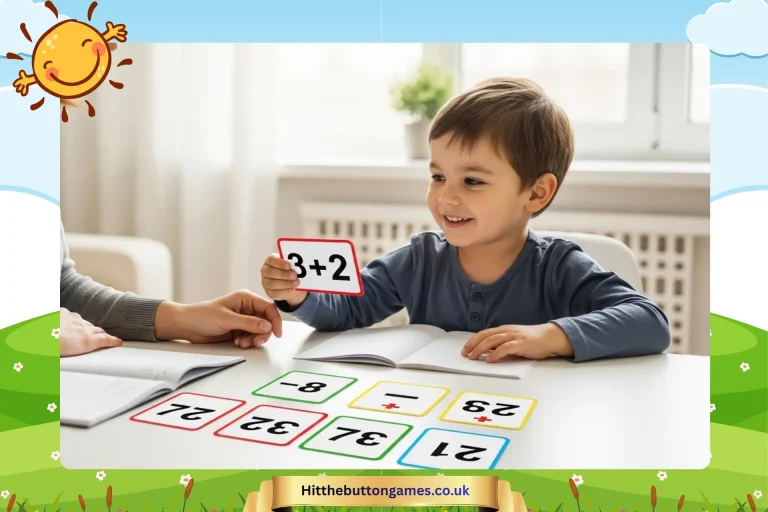
Use a regular deck of cards. Flip two cards and add the numbers together. The first person to say the answer keeps the cards.
For multiplication, multiply the two cards instead.
This game builds speed and mental math skills.
2. Dice Race
Roll two dice. Add, subtract, or multiply the numbers. Keep score for 10 rounds.
Kids love competition. The repetition feels like play, not practice.
3. Math Bingo
Create bingo cards with answers. Call out math problems instead of numbers.
This works well for small groups or classrooms.
4. Hop and Solve
Write answers on the ground with chalk. Call out a math problem. Your child jumps to the correct answer.
Movement improves memory. Physical activity helps many kids focus better.
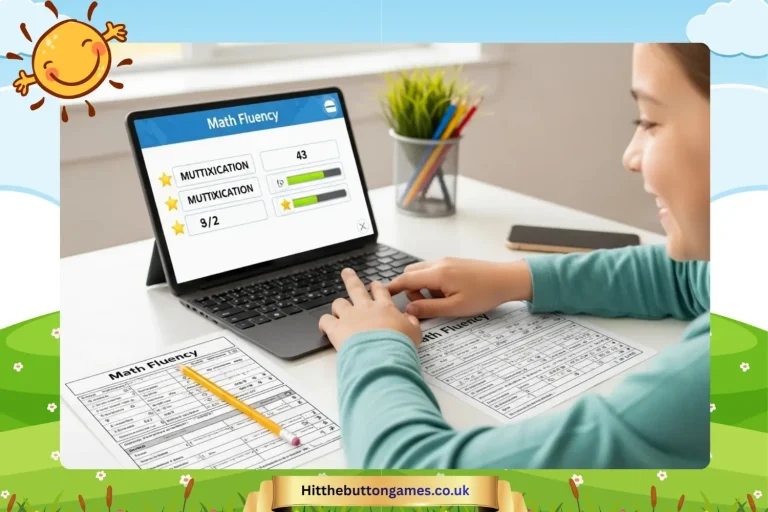
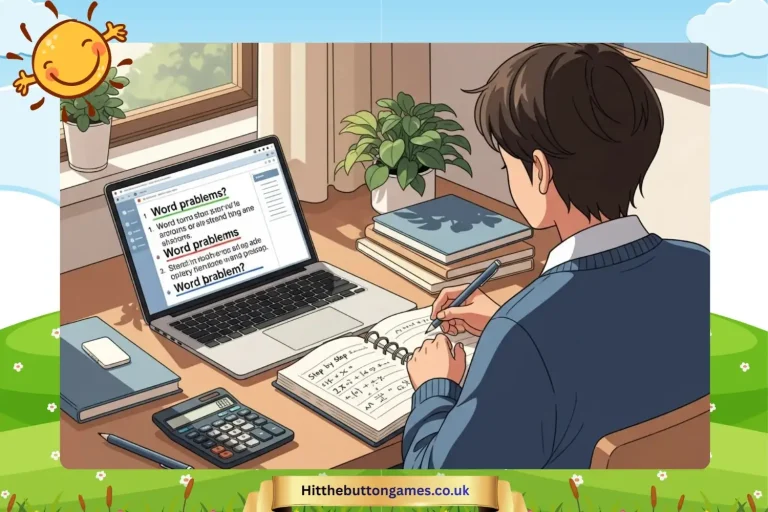
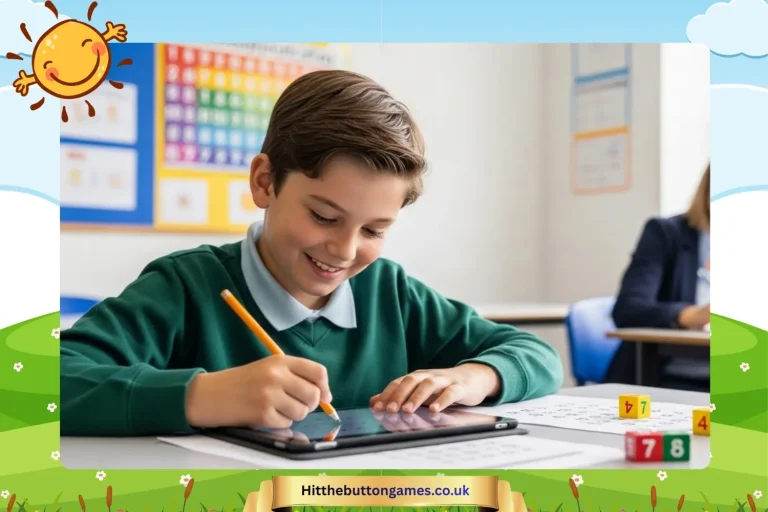
If you prefer digital tools, there are many ways to teach math facts online free.
Look for platforms that include:
- Interactive games
- Timed challenges
- Immediate feedback
- Progress tracking
When you teach math facts online, choose programs that focus on understanding first. Avoid tools that only push speed without explanation.
Online learning works best when you limit sessions to 10 to 15 minutes. Short and focused practice keeps attention strong.
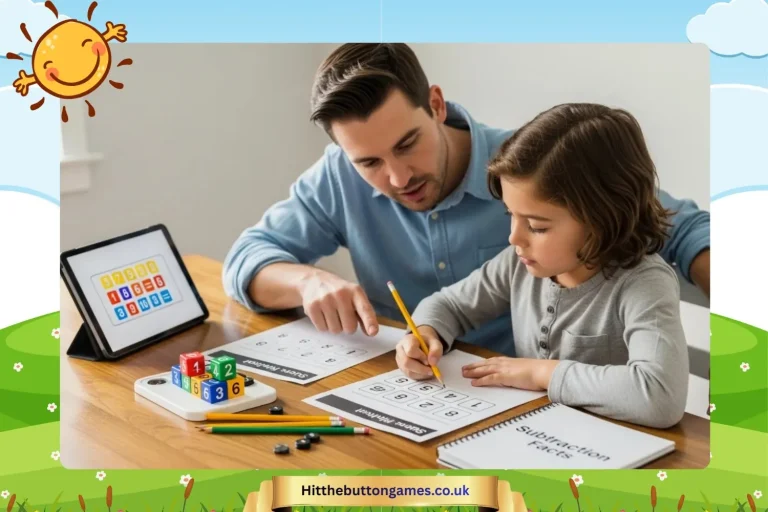
Worksheets are not bad. They just need to be used correctly.
You can teach math facts worksheets style by:
- Using small sets of 10 to 15 problems
- Timing short practice sessions
- Reviewing mistakes right away
- Mixing different fact types
If you want printable options, search for teach math facts worksheets pdf resources. A teach math facts pdf packet can help with structured review.

Use worksheets as reinforcement, not the only method.
Adults often feel embarrassed about weak math skills. The key is patience and respect.
To teach math facts for adults:
- Start with real life examples like money or budgeting
- Use mental math strategies instead of memorization
- Practice in short daily sessions
- Focus on progress, not perfection
Adults learn faster when they understand why a method works.
Many parents and teachers mean well but make these mistakes:
Pushing Speed Too Early
Fluency grows after understanding. Do not use timers until your child understands the concept.
Too Much Repetition
Repeating the same worksheet every day causes boredom. Mix games, digital tools, and hands on activities.
Ignoring Gaps
If a child struggles with subtraction, check addition skills first. Skills build on each other.
Making It Stressful
Stress blocks learning. Keep your tone calm and supportive.
In classrooms, variety is important.
Try:
- Math centers with small group games
- Partner challenges
- Quick daily warm ups
- Rotating digital stations
Short, daily exposure works better than one long weekly drill session.
Every child learns differently.
For visual learners:
- Use number lines
- Draw models
- Show patterns
For auditory learners:
- Use math songs
- Practice call and response games
For kinesthetic learners:
- Use movement games
- Try building arrays with blocks
Adapting your method increases success.
When done right, playful learning leads to:
- Stronger memory retention
- Faster recall
- Greater confidence
- Less math anxiety
- Better performance in higher level math
Most importantly, kids begin to believe they can do math.
Pros
- High engagement
- Builds confidence
- Encourages repetition
- Works at home and school
Limits
- Needs structure
- Should include some written practice
- May not replace formal instruction
Balance is key. Combine games, worksheets, and guided teaching.
Teaching math facts does not have to feel like a battle. When you combine structure with play, children learn faster and feel more confident.
Use games for engagement. Use worksheets for reinforcement. Use online tools for variety. Follow the right order to teach math facts, and focus on understanding before speed.
With steady practice and a positive approach, math facts become automatic. And once that happens, everything else in math gets easier.