Subtraction Facts Online Platforms for Effective Practice
Subtraction can be a little tricky at first, especially with numbers flying and errors multiplying. The good news is that subtraction facts are a skill that anyone can develop with the right tools and practice. When those basics begin to click, math gets faster, calmer and a whole lot more fun.
This guide goes deeper than a simple list of platforms. You will learn what subtraction facts really are, why they matter, how kids actually learn them best, and which tools work well at home or in the classroom.
Subtraction facts are basic math equations that involve taking one number away from another. Examples include 7 minus 3 equals 4 or 10 minus 6 equals 4. These facts usually stay within numbers up to 20.
They are the foundation for harder math like borrowing, word problems, fractions, and even algebra later on. When kids know subtraction facts well, they solve problems faster and with more confidence.
Many students struggle in math not because they cannot think, but because basic facts slow them down. If a child has to stop and count fingers for every problem, math quickly feels stressful.
Strong subtraction facts help in three big ways. They reduce mistakes, save time, and free the brain to focus on understanding instead of counting.
Memorizing alone rarely works. Kids learn best when subtraction makes sense and feels useful.
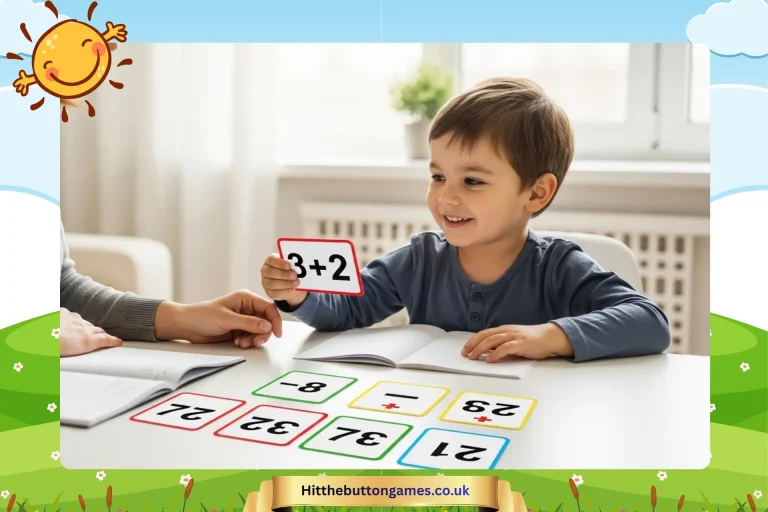
They need to see numbers, move objects, and practice in small steps. Games, visuals, and real examples help facts stick much better than long drills.
Here are a few clear examples that show how subtraction works in real terms.

- If you have 9 apples and eat 4, you have 5 left. 9 minus 4 equals 5.
- If there are 12 students and 7 go home, 5 remain. 12 minus 7 equals 5.
Simple stories like these help kids understand the meaning behind the numbers.
Digital tools work well because they mix learning with fun and instant feedback. Here are some strong options and why they work.
ABCmouse
ABCmouse is great for early learners. It uses animations and simple games to introduce subtraction facts for kids in a gentle way. Kids learn without pressure and stay engaged longer.
IXL
IXL allows focused practice on specific skills. Students can work on subtraction facts step by step and get clear explanations when they make mistakes. It also helps parents track progress easily.
SplashLearn
SplashLearn turns subtraction into short challenges and adventures. Visual models and rewards keep kids motivated while they practice again and again without boredom.
Prodigy Math
Prodigy Math feels like a video game but builds real skills. Each subtraction facts game question helps students move forward in the story. This works well for kids who love competition and goals.
Coolmath Games
Coolmath Games offers logic based and casual games that include subtraction. These are useful for extra practice and for kids who resist traditional math work.
Digital tools are helpful, but paper practice still matters. Subtraction facts worksheets give kids time to slow down and think.

Worksheets are easy to print, share, and reuse. They also help teachers and parents spot patterns in mistakes.
Subtraction facts printable sheets work well for daily warm ups or quick reviews. Many families also prefer subtraction facts pdf files because they save ink and store easily.
You can also find subtraction facts worksheets pdf versions that include answer keys, mixed practice, and visual supports.
One common mistake is confusing subtraction with addition facts. This happens when kids rush or rely only on memory.
Another issue is skipping number sense. Counting back on a number line or using objects helps fix this problem.
Encourage kids to explain their thinking out loud. This often clears confusion faster than repeating problems.
Some kids learn best by seeing, others by doing. Mixing games, worksheets, and real life examples supports different learners.
For students who struggle, short daily math practice sessions are more effective than long ones. For confident learners, adding timed games to their daily math practice provides a fun and engaging challenge.
Subtraction and addition facts are closely linked. Knowing that 6 plus 4 equals 10 helps a child understand that 10 minus 4 equals 6.
Teaching both together builds stronger number sense and reduces confusion.
What age should kids learn subtraction facts
Most kids start learning simple subtraction in early elementary school and build fluency by grade 2 or 3.
Are worksheets better than games
Neither is better alone. Games build interest, while worksheets build focus. Using both works best.
How often should kids practice
Short daily practice of 10 to 15 minutes is more effective than long weekly sessions.
Can subtraction facts be learned without memorizing
Understanding comes first, but some memorization helps speed and confidence over time.
Do printable worksheets still matter today
Yes. They support focus, offline learning, and easy review.
Subtraction does not have to feel frustrating or scary. With clear explanations, smart practice, and the right mix of tools, subtraction facts become second nature.
Whether you use games, worksheets, or a simple subtraction facts game at home, steady practice makes the difference. Start small, stay consistent, and watch confidence grow.