How to Help Kids Memorize Math Facts Effectively 2026
No, you are not alone if your child freezes when asked what 7 + 8 is. Many parents wonder how to get kids to memorize math facts without a homework battle.
The good news is: The right way can help kids build strong math fact fluency, and it doesn’t have to be boring or overwhelming.
In this guide you’ll learn the best way to memorize math facts, why it is important and how to support confident learners and struggling students at home or in the classroom.
Many parents ask, should students memorize math facts if calculators exist? It is a fair question.
The answer is yes, but with understanding. When kids memorize math facts like addition, subtraction, multiplication, and division, they free up brain space. Instead of using all their energy to figure out 6 × 4, they can focus on solving bigger problems.
When students know their basic facts quickly and accurately, they:
- Solve word problems faster
- Feel more confident in math class
- Make fewer careless mistakes
- Move smoothly into fractions and algebra
So should kids memorize math facts? Yes, but not through drills alone. They need meaning, patterns, and practice that makes sense.
Memorizing math facts does not mean repeating numbers mindlessly. Real mastery happens in three stages:
- Understanding the concept
- Recognizing patterns
- Recalling answers quickly
For example, before asking a child to memorize 8 + 7, make sure they understand what addition means. Use blocks or drawings. Once they see that 8 + 7 is the same as 8 + 2 + 5, they start noticing patterns. That makes recall much easier.
If your child cannot memorize math facts, the problem is often weak understanding, not weak memory.
There is no single magic trick, but the best way to memorize math facts combines short practice, variety, and real understanding.
Here is a simple plan that works.
1. Keep Practice Short and Daily
Ten minutes a day is enough. Long sessions cause frustration.
If you want to help kids memorize math facts quickly, focus on small sets. Practice just five to ten facts at a time. Once those are solid, move on.
2. Teach Patterns First
Show patterns like:
- Doubles such as 4 + 4
- Near doubles such as 4 + 5
- Skip counting for multiplication
When students see structure, they do not rely only on memory.

This is especially helpful when teaching math facts to struggling students.
3. Mix Recall With Games
Fun ways to memorize math facts work because kids stay engaged.
Try:
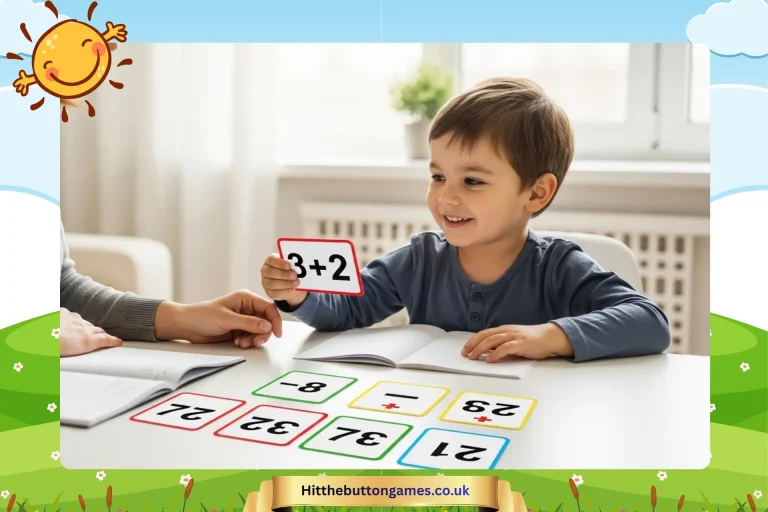
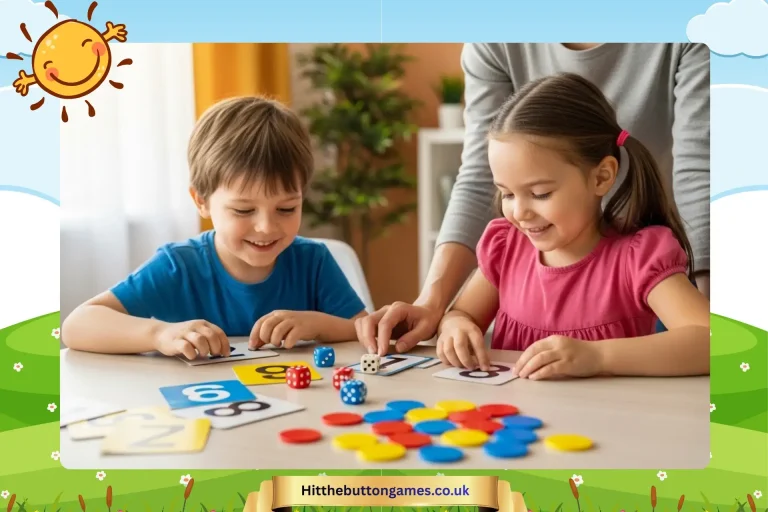
- Card games with addition or multiplication
- Dice games where kids create number sentences
- Timed challenges where they beat their own score
Games reduce anxiety and increase repetition without boredom.
Parents often ask how to get kids to memorize math facts without resistance. The key is to blend math into daily life.
Use Everyday Situations
Ask quick math questions while:
- Cooking and measuring ingredients
- Shopping and counting money
- Driving and noticing numbers on signs
Real life practice makes math feel useful, not forced.
Create a Simple Practice Binder
You can make or download a memorize math facts PDF for structured review. Many websites offer memorize math facts free worksheets and printable games.
Look for:
- Short quizzes
- Fact family charts
- Visual models
- Progress tracking sheets
A simple ways to practice math facts at home PDF can help you stay consistent without overthinking it.
If your child needs to learn math facts in 7 days for a quiz, focus on strategy. Here is a focused plan:
Day 1 to 2
Review patterns and group facts by type.
Day 3 to 5
Practice small sets daily using flashcards and games.
Day 6
Take a timed practice test and review mistakes.
Day 7
Light review only. No cramming.

Quick memorization works best when facts are grouped logically, not randomly.
Memorizing math facts in 2nd grade usually focuses on addition and subtraction within 20.
At this age:
- Use number lines
- Practice doubles and near doubles
- Use ten frames
- Keep practice playful
Do not rush into speed tests too early. Confidence matters more than speed in early grades.
If a child cannot memorize math facts, slow down and check for gaps.
Common problems include:
- Weak number sense
- Trouble with counting on
- Math anxiety
- Learning differences
For these students:
- Use hands on tools like counters
- Practice orally before written work
- Celebrate small progress
- Avoid public speed drills
The best way for kids to memorize math facts when they struggle is through patience and clear structure.
Kids remember what they enjoy. Try rotating activities such as:
- Math bingo
- Fact scavenger hunts
- Fact races against a timer
- Creating silly rhymes for tricky problems
Music and rhythm also help. Turning multiplication tables into songs supports memory because rhythm strengthens recall pathways in the brain.
This is not an either or choice.
Students should understand math facts deeply and then memorize them through practice. Understanding builds meaning. Repetition builds speed.
When both are present, students become fluent and confident. Teach basic operations clearly and step by step so students build accuracy before focusing on speed.
Here are mistakes to avoid when trying to help kids memorize math facts:
- Forcing long drill sessions
- Moving too fast before mastery
- Comparing siblings
- Focusing only on speed
- Ignoring mistakes without reviewing them
Instead, focus on progress. Fluency builds over time.
Benefits
- Faster problem solving
- Stronger confidence
- Easier transition to higher math
Limitations
- Rote drills alone do not build understanding
- Pressure can increase math anxiety
Balance is key.
You can find memorize math facts free resources online, including printable charts and digital quizzes.
Look for tools that include:
- Clear visuals
- Small fact groups
- Progress tracking
- Printable practice sheets
A well designed memorize math facts PDF can organize learning and reduce stress for both parents and teachers.
Helping children memorize math facts is not about pressure or endless worksheets. It is about building understanding first and then practicing in smart, simple ways.
If you stay consistent, keep sessions short, and use a mix of games, visuals, and real life practice, your child will grow more confident each week.
Math fluency builds step by step. With patience and the right tools, every child can succeed.