Easy and Effective Math Fluency Practice With Games 2026
Ever see a kid freeze up when presented with a simple math problem? They may know the answer but it takes them so long to remember it. That delay can kill confidence and slow learning.
This is where Math Fluency comes into play. When students know their basic math facts fluently and accurately, all other aspects of math become easier.
Interactive games can help build that speed and confidence in a way that feels fun, not stressful. Let’s see how it works and how you can use it at home or in the classroom.
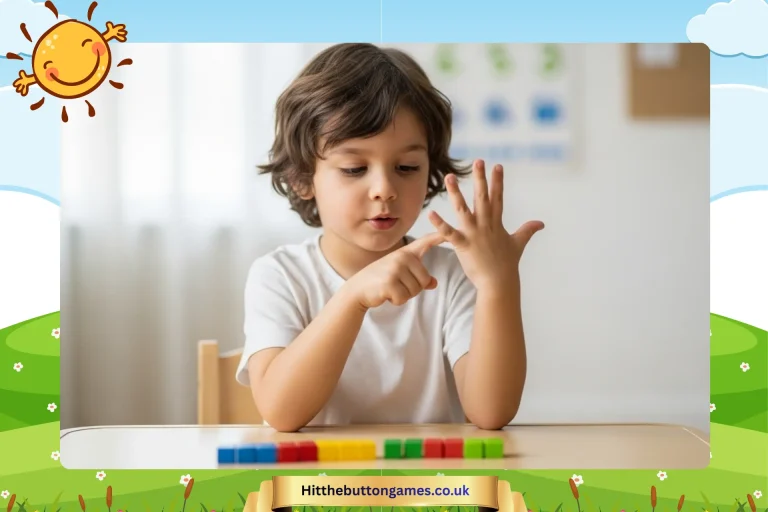
Fluency Math means solving math problems accurately and quickly without counting on fingers or guessing.
For example, if a student knows right away that 8 × 7 = 56, that is fluency. They do not need extra time to figure it out.
Simple Math Fluency Examples
- Instantly knowing 9 + 6 = 15
- Quickly solving 12 ÷ 3 = 4
- Recalling multiplication facts without hesitation
Fluency is not about rushing. It is about strong memory, understanding, and steady practice.
When students struggle with basic facts, harder topics like fractions, algebra, and word problems become frustrating. They use too much brain power on simple steps.
Strong fluency helps students:
- Solve problems faster
- Feel more confident
- Focus on deeper thinking
- Perform better on a math fluency test
Fluency builds the foundation for all future math learning.
Many students feel nervous about worksheets or timed drills. Games change that feeling.
1. Games Make Practice Enjoyable
When students play math fluency games, they focus on winning or leveling up. They do not feel like they are doing boring practice.
Fun reduces fear. Less fear means better learning.
2. Games Provide Instant Feedback
Interactive tools tell students right away if they are correct. That quick response helps them fix mistakes before they become habits.
3. Games Encourage Repetition Without Complaints
Repetition is necessary for fluency. Games repeat skills naturally through levels and challenges.
Students practice more because they want to keep playing. You can also visit our addition and subtraction section for more simple practice ideas.

Not all games build real skills. Choose ones that focus on accuracy and understanding, not just speed.
Basic Arithmetic Games
These are perfect for early learners.
Look for games that focus on:
- Addition
- Subtraction
- Math fluency multiplication
- Division
Short, timed rounds can help students improve recall.
Math Fluency Games Online
There are many quality math fluency games online that adapt to student level. Adaptive games adjust difficulty based on performance, which prevents frustration.
Online games are helpful for:
- Daily practice at home
- Homework support
- Extra classroom stations
Here is a simple system that works.
Step 1: Identify Weak Areas
Check which facts cause hesitation. Is it multiplication? Division? Basic addition?
A quick math fluency test can help you spot gaps.
Step 2: Choose the Right Tool
Pick one main tool at a time:
- Digital games
- Math fluency worksheets
- A math fluency practice PDF for offline practice
- A structured math fluency book
Each tool serves a purpose. Games build speed. Worksheets check understanding. Books provide structured progress.
Step 3: Practice in Short Sessions
Ten to fifteen minutes daily works better than one long session per week.
Short sessions keep energy high and prevent burnout.
Step 4: Track Progress
Celebrate improvement in speed and accuracy. Even small gains matter.

Confidence grows when students see proof of progress.
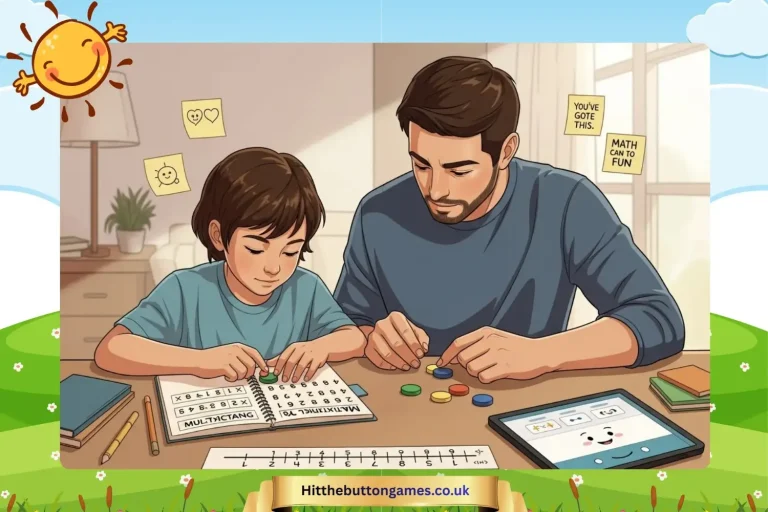
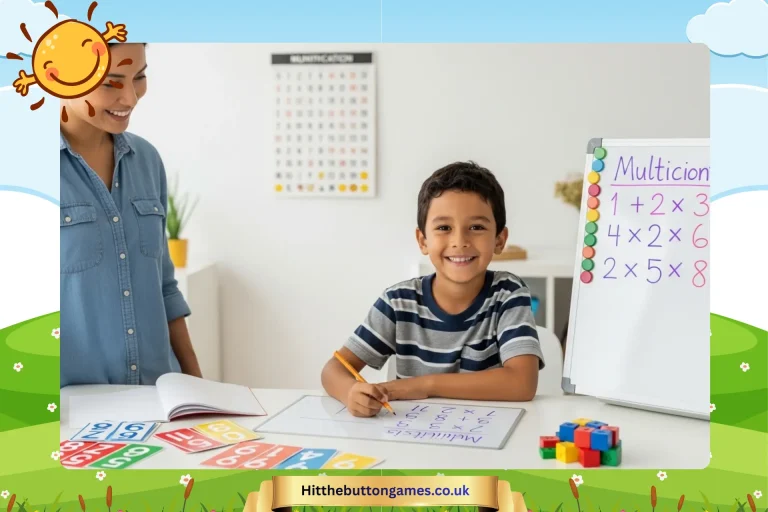
Parents do not need to be math experts to help.
You can:
- Set a daily game time
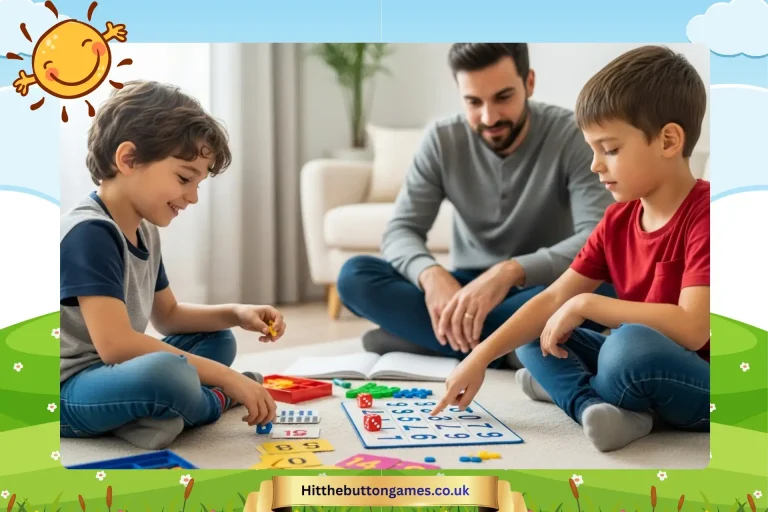
- Turn practice into a friendly family challenge
- Mix games with printed fluency worksheets
Keep the mood positive. Avoid pressure.
If your child feels frustrated, reduce the difficulty instead of pushing harder.
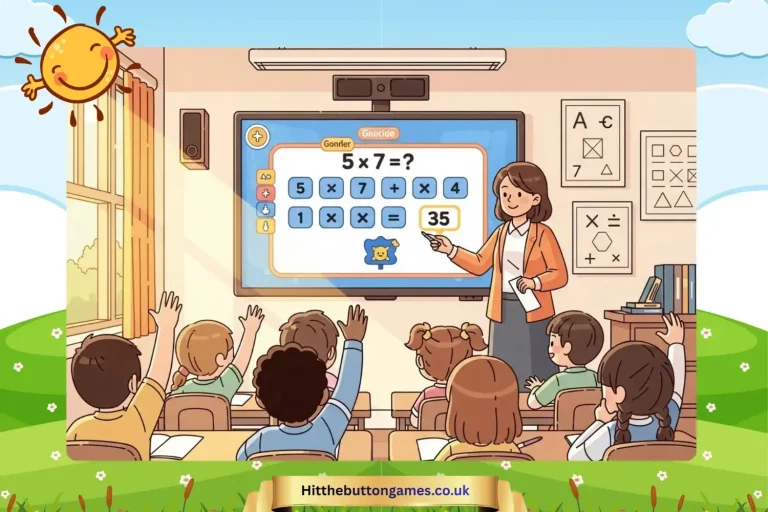
Teachers can rotate math stations with one station dedicated to math games.
Group challenges also work well. Students can solve problems as teams, which builds both math skills and communication skills.
Balance is important. Combine games with written work and discussion.
Focusing Only on Speed
Accuracy must come first. Fast wrong answers do not build fluency.
Using Only One Method
Do not rely only on games. Mix in:
- Math fluency worksheets
- A math fluency practice PDF for review
- A math fluency book for structured lessons
Variety strengthens learning.
Ignoring Struggles
If a child keeps missing the same facts, slow down. Review the concept before increasing speed.
Strong math fluency helps in daily life.
Students can:
- Calculate change quickly
- Estimate totals while shopping
- Solve real world problems with confidence
Fluency builds independence.
Pros
- Engaging and motivating
- Encourage repetition
- Provide instant feedback
- Easy to access online
Limitations
- Some games focus too much on speed
- Screen time needs balance
- Not all games explain concepts deeply
Games are tools, not replacements for teaching.
Every student learns differently.
For students who struggle:
- Use visual aids
- Start with slower, untimed games
- Practice in small chunks
For advanced learners:
- Increase difficulty
- Add multi step challenges
- Introduce competitive timed rounds
Adjust the method to the learner, not the other way around.
Building math fluency does not require stress or endless drills. With the right mix of interactive games, worksheets, and steady practice, students can develop strong number skills in a fun and confident way.
When learners feel capable, they take on bigger challenges. That confidence can change how they see math for life.