Powerful Methods to Teach Math Skills with Games 2026
It is difficult to teach math to students who are bored or confused. A lot of students think that math is just a bunch of formulas and worksheets so they get bored pretty quickly.
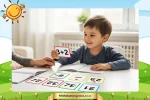
Games and activities change that experience. When you teach math skills through play, students stay engaged, think faster, and understand concepts in a practical way. Instead of memorizing numbers, they interact with them. This makes learning feel natural and enjoyable.
This guide shows how games can help learners to develop strong math skills and how you can use simple activities at home or in the classroom.
Games turn abstract numbers into real experiences. When students move pieces, count objects, or solve puzzles, they see how math works in real situations.
They also reduce fear. Many children worry about making mistakes in math. Games create a relaxed space where mistakes are part of learning.
Another big advantage is repetition. Players repeat math actions many times without feeling like they are studying. This practice strengthens memory and improves confidence.
Before choosing games, it helps to understand the key abilities students must develop. A simple mathematical skills list usually includes:
- Number recognition
- Counting and number sequencing
- Addition and subtraction
- Multiplication and division
- Fractions and decimals
- Measurement and estimation
- Logical reasoning
- Problem solving
- Pattern recognition
Games can strengthen all of these teach math skills naturally.
Children learn math gradually. Knowing typical math milestones by age helps you pick the right activities.
Ages 4–5
These are the basic 4 5 year old math skills most children start developing:
- Counting from 1 to 20
- Recognizing numbers
- Sorting shapes and colors
- Understanding simple patterns
- Comparing big and small objects
Games that involve counting toys or matching shapes work well at this stage.
Ages 6–8
Children begin learning:
- Basic addition and subtraction
- Number lines
- Simple word problems
- Telling time
- Measuring length
Board games and number puzzles are very helpful here.
Ages 9–12
Students start building stronger reasoning skills. They learn:
- Multiplication and division
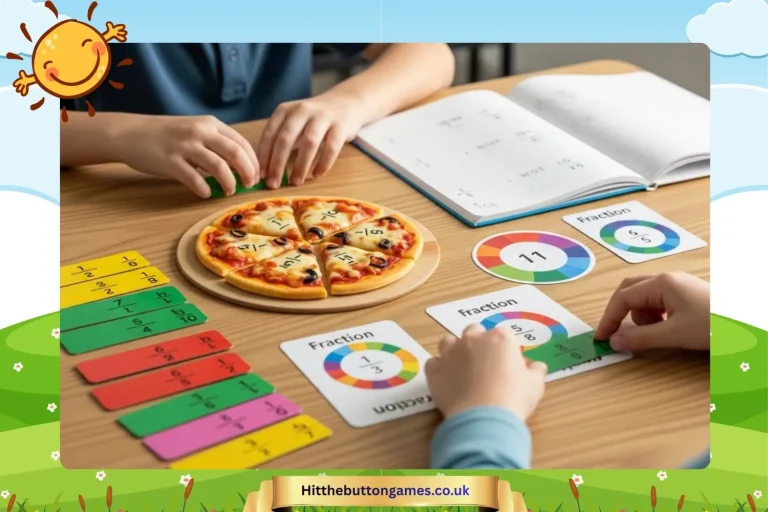
- Fractions and decimals
- Geometry basics
- Problem solving strategies
Strategy games and logic puzzles work well for this age group.
You do not need expensive tools to make math fun. Many effective games use everyday items.
Counting Games
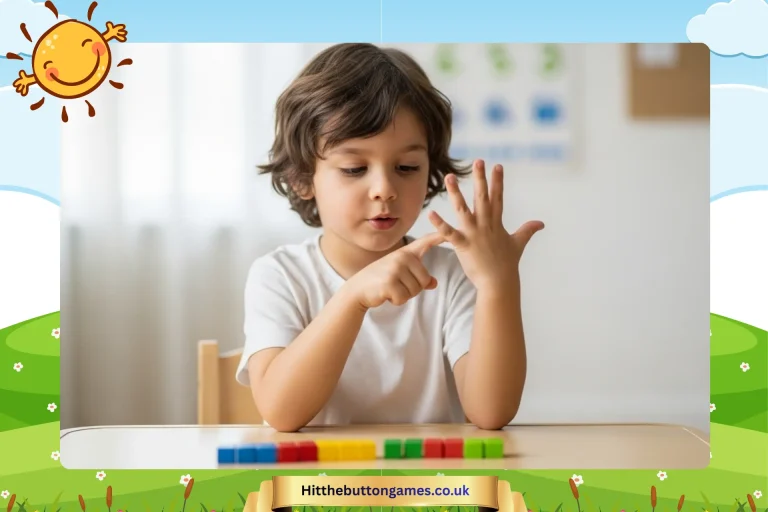
Use objects like buttons, candies, or blocks. Ask children to count them, group them, or subtract some.
This simple activity builds number sense and improves accuracy.
Math Bingo
Write math problems on a board and give students bingo cards with answers.
When students solve a problem, they mark the correct answer. This keeps them alert and improves mental math speed.
Card Games
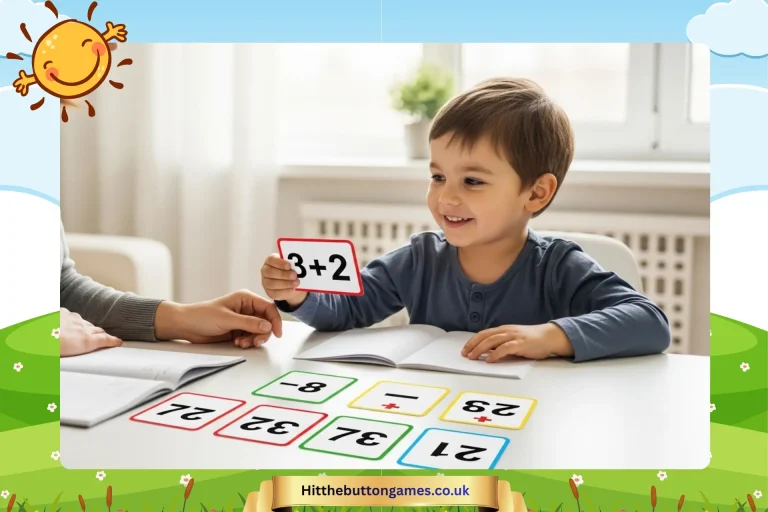
Games like Uno or simple number cards can help students practice addition and subtraction.
You can also create your own card game where players must combine numbers to reach a target score.
Board Games
Many classic games naturally include math practice.
Players count steps, track points, calculate totals, and make strategic decisions. This strengthens both arithmetic and reasoning skills.
Outdoor Math Games
Movement improves learning. Activities like number hopscotch or math scavenger hunts combine physical activity with thinking.
For example, children can search for objects that match numbers or shapes.
Online tools can also make math learning interactive. Many platforms include quizzes, puzzles, and game based lessons.
When you teach math skills online, students often receive instant feedback. This helps them understand mistakes quickly.
Good online learning tools usually include:
- Interactive math puzzles
- Progress tracking
- Adaptive difficulty levels
- Visual explanations
Many teachers now teach math skills online free using educational platforms, videos, and practice websites.
You do not need paid tools to build strong math ability. There are many ways to teach math skills free at home.

Try these ideas:
- Cooking to practice fractions and measurements
- Shopping games using fake money
- Counting objects during daily routines
- Estimating distances while walking
- Solving puzzles together
Real life situations help children understand why math matters.
Math learning is not only for children. Many people want to teach math skills for adults who missed certain basics earlier in life.
Adults usually benefit from practical learning methods such as:
- Budget planning exercises
- Shopping calculations
- Measurement for cooking or home projects
- Logic puzzles and brain games
Adults learn best when math connects to real life problems.
Every learner absorbs information differently. Some students learn best visually. Diagrams, charts, and shapes help them understand concepts faster.
Others prefer hands on activities. These learners benefit from physical games that involve objects or movement. Auditory learners often enjoy quizzes, group games, and discussions.
Adapting games for different styles makes math easier for everyone.
Games work well only when used correctly. Avoid these common problems.
Making the game too complex
If rules are confusing, students focus on the game instead of math.
Ignoring the learning goal
Every game should practice a specific skill such as addition or patterns.
Not adjusting difficulty
Games should grow harder as skills improve.
Keeping activities simple and focused produces the best results.
Teachers and parents often create worksheets or reference guides. A simple mathematical skills pdf can help students track progress.
This document may include:
- Practice problems
- Skill checklists
- Step by step examples
- Short quizzes
Having a structured guide supports long term learning.
Students stay motivated because the experience feels fun instead of stressful. Games also encourage critical thinking. Players must analyze situations and make decisions quickly.
Another benefit is collaboration. Group games help students explain ideas and learn from each other. Most importantly, games build confidence. Students start believing they can solve math problems.
Games are powerful tools, but they should not replace all traditional teaching. Some advanced topics require direct explanation and guided practice.
The best approach combines games, exercises, and real world applications. This balance keeps learning both fun and effective.
Math does not have to feel difficult or boring. When you teach math skills through games and activities, students learn faster and enjoy the process.
The key is choosing the right activity for the learner’s age and ability. Simple games, real life practice, and interactive tools can build strong math foundations.
Over time, these small playful experiences turn into powerful skills that students use throughout school and everyday life.