Boost Subtraction Skills with Popular Math Games 2026
Kids and teachers don’t have to feel like learning subtraction is a chore. Many kids have trouble with subtraction not because it’s hard, but because it can be boring and repetitive to practice. Kids learn and remember subtraction better when they play games and do real-life activities.
This guide shows how to improve subtraction skills with fun games that actually work. It is written for parents, teachers, and anyone supporting subtraction skills for kids and students, both at home and in the classroom.
Games turn practice into an experience instead of a task. When kids play, their brains stay active and focused, which helps learning stick. This is especially helpful for early learners and students who lose confidence with numbers.
Games also reduce fear of making mistakes. Kids feel safe to try again, which is key to building strong subtraction skills over time.
Before jumping into games, kids should understand what subtraction means. Subtraction is about finding the difference when something is taken away. The basic subtraction rule is simple. Start with a total and remove a part to see what remains.
Clear subtraction skills examples using real objects helping children to learn math & connect numbers to real life. This makes every subtraction sum easier to understand later.
Object Take Away Game
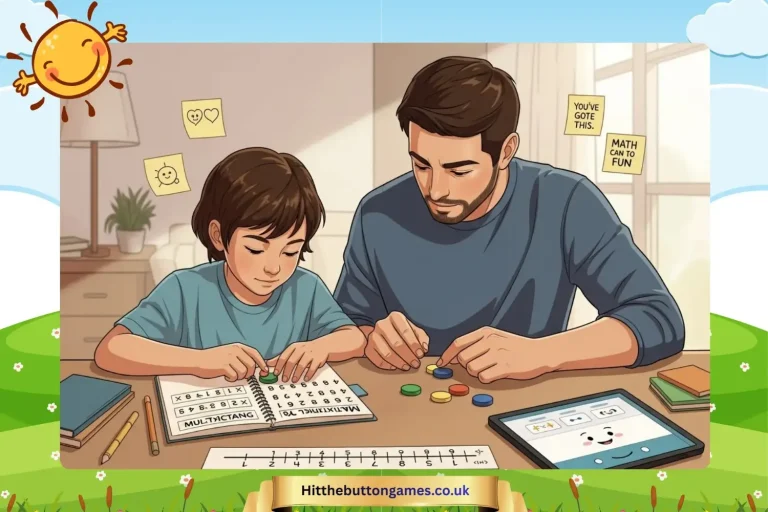
Use toys, buttons, or coins. Place ten items on the table, remove a few, and ask how many are left. This hands on method works well for subtraction strategies grade 1 learners.
It helps kids see subtraction instead of just memorizing answers.
Dice Subtraction Game
Roll two dice and subtract the smaller number from the larger one. Kids enjoy the randomness and challenge. This builds quick thinking and confidence with numbers.
It is a great warm up activity for short practice sessions.
Number Line Hop
Draw a number line on the floor or use paper cards. Start at a number and hop backward based on the subtraction sum. This physical movement helps visual learners understand subtraction better.
It is especially useful for subtraction skills for students who struggle with worksheets.
Subtraction Relay
Create teams and place subtraction questions at stations. Each child solves one problem before passing the turn. Movement keeps energy high while math stays meaningful.
This works well in classrooms and group learning settings.
Online platforms can be useful when chosen carefully. Interactive games with instant feedback help kids correct mistakes quickly. Many also adjust difficulty as skills improve.
Use screen based games as support, not a replacement, for hands on learning.
Worksheets can still be helpful when used correctly. Short sessions with clear goals work best. Mix worksheets with games so practice does not feel overwhelming.

For subtraction skills KS2 learners, include word problems and real world scenarios. This helps students apply subtraction beyond basic sums.
Cooking and Measuring
Ask kids how much is left after using ingredients. This shows subtraction in real life and makes math feel useful.
Shopping Games
Give a budget and subtract prices as items are added. This builds mental math and decision making skills.
These activities help children see why subtraction matters outside school. For more ways to build strong number sense through real examples, you can also visit Teaching Multiplication Tables, which helps you alot.
Many kids mix up subtraction and addition. Always remind them that subtraction means taking away. Visual aids like number lines help reduce confusion.
Another common issue is rushing. Encourage kids to slow down and check their answers, especially when numbers get bigger.
Some children learn best by seeing, others by doing or hearing. Use a mix of visual tools, spoken problems, and hands on games. This makes subtraction skills accessible to more learners.
For kids who struggle, start with small numbers and build up gradually.
Games boost motivation and understanding. They help kids enjoy practice and stay engaged longer.
However, games alone are not enough. Kids still need clear explanations, guidance, and occasional structured practice.
Strong subtraction skills build the foundation for all future math learning. When kids practice subtraction through games, real activities, and clear examples, learning feels natural and enjoyable.
By mixing play with purpose, you help children understand not just how subtraction works, but why it matters. That confidence stays with them long after the game ends.