Teaching Multiplication Tables Made easy and efficient 2026
Teaching multiplication tables can feel stressful for both adults and children. A lot of kids have trouble remembering numbers that seem random and boring. The good news is that multiplication doesn’t have to be hard, confusing, or annoying.
Kids can learn how to multiply, remember tables faster, and even enjoy doing it if you teach them the right way. This guide shows you simple and effective ways to teach multiplication tables that work at home and in the classroom.
Before memorizing anything, children need to understand what multiplication really means.
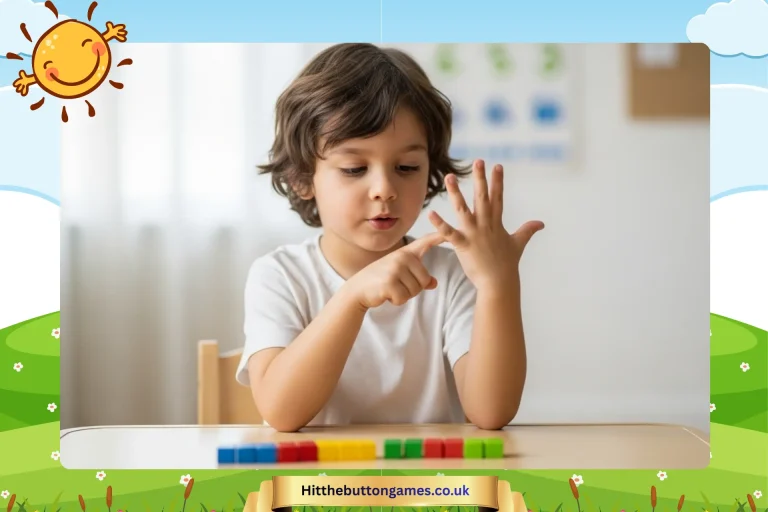
When you multiply, you add the same number over and over. The numbers start to make sense when a child knows that 4 x 3 means adding four three times. This knowledge makes you feel more sure of yourself and less scared.
Once kids know the why, memorizing the how becomes much easier.
Most children are ready between ages 6 and 8. This usually aligns with KS1 moving into KS2.
For teaching multiplication tables to children in KS1, focus on counting, grouping, and simple tables like 2, 5, and 10. For KS2 and teaching multiplication tables to 3rd graders, you can expand to full tables from 2 to 9.
Every child learns at a different pace. Readiness matters more than age. For more guidance and practical tips, visit Helping Children to Learn Math Facts to support learning at the right time.
The easiest way to memorize multiplication tables is not doing all tables at once.
Start small. Build success early.
Begin with:
- 2 times table
- 5 times table
- 10 times table
These tables have clear patterns and give quick wins. Once children feel confident, move to 3, 4, and 6. Save 7, 8, and 9 for later. Math confidence grows when learning feels achievable.
Use Patterns Instead of Pure Memory
Multiplication tables are full of patterns.
The 9 times table has digit patterns. The 5 times table ends in 0 or 5. The 4 times table doubles two times. Showing these patterns helps children remember instead of guess.
Patterns reduce memory load and build logic.
Visual Learning With Charts and Arrays
Many children learn best by seeing.
Using a multiplication chart helps kids understand relationships between numbers. A popular option is the TeachingNest multiplication tables chart, which clearly shows all tables in one place.
Large charts like the tmp06 teaching nest multiplication tables chart, laminated 33×48 cm, are useful for classrooms and home walls. Kids absorb information just by seeing it daily.
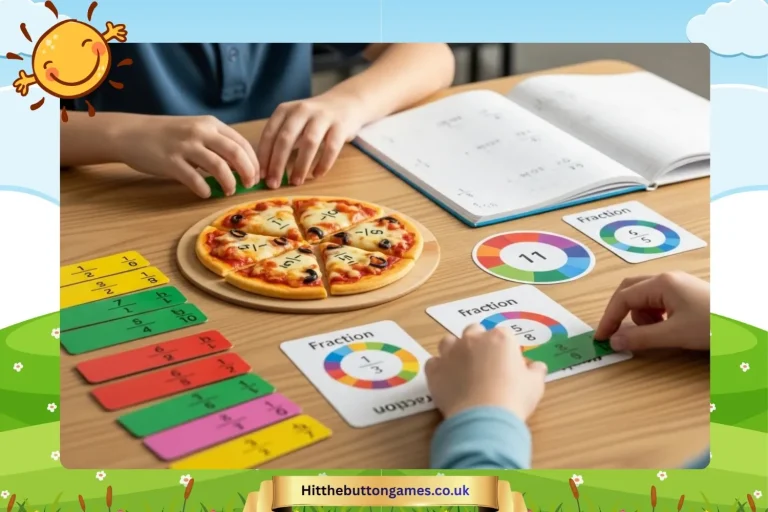
Arrays using blocks or dots also help children visualize multiplication.
Teaching multiplication tables: worksheets work best when they are short and focused.
Good worksheets:
- Practice one table at a time
- Include pictures or arrays
- Mix easy and challenge questions
A teaching multiplication tables PDF is helpful for daily practice at home. Printable sheets allow repetition without screen fatigue.
Avoid worksheets that overwhelm kids with too many problems at once.
Children learn faster when they are relaxed and engaged.
Some effective multiplication table teaching methods include the following:
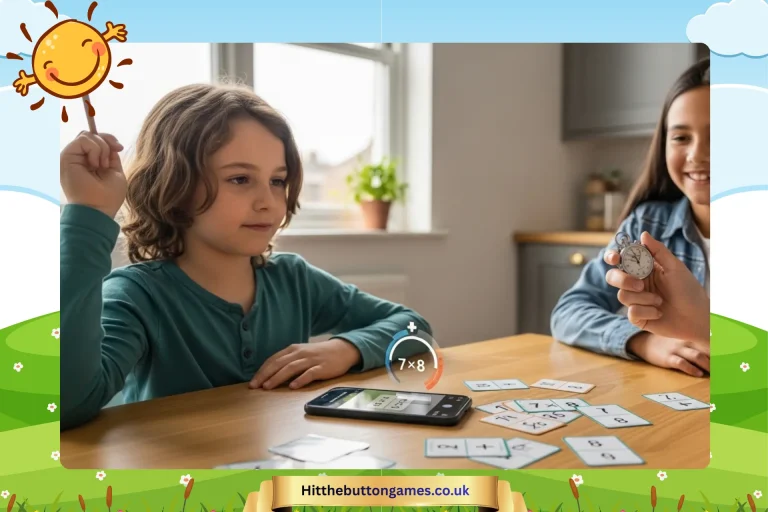
- Table races with a timer
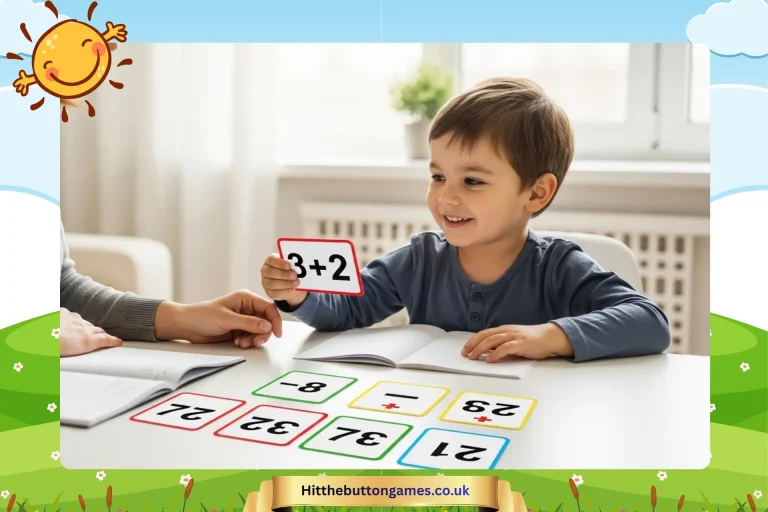
- Flashcard games
- Online math games
- Board games with multiplication challenges
Games remove pressure and turn practice into play. This is especially useful when teaching kids multiplication tables who feel anxious about math.
Can You Memorize Tables in One Day or One Hour?
You may see claims like how to memorize multiplication tables in one day or how to memorize multiplication tables in 1 hour.
Quick memorization is possible for some children, but it often fades without understanding and practice. Speed should never replace understanding.
A better goal is steady daily practice with clear meaning.

Daily Micro Practice Works Best
Five to ten minutes a day is enough.
Try:
- One table per day
- One-minute speed drills
- Quick oral questions during routine time
Short daily practice builds long-term memory far better than long cramming sessions.
Children with dyslexia need structured and multisensory learning.
Helpful strategies include:
- Color-coded tables
- Audio repetition and songs
- Hands-on tools like counters
- Clear fonts and uncluttered layouts
Teaching multiplication tables to dyslexics works best when learning is slow, visual, and supportive. Avoid timed pressure.
Parents often worry they are doing it wrong. You are not.
Focus on:
- Encouragement over correction
- Progress over perfection
- Understanding before speed
When teaching child multiplication tables at home, keep sessions short and positive. Celebrate effort, not just correct answers.
Many children struggle because of avoidable mistakes.
Do not:
- Push all tables at once
- Rely only on memorization
- Compare children to others
- Use punishment or pressure
Learning sticks when children feel safe and capable.
Apps and videos can help, but they should support learning, not replace it.
Use tools that:
- Adjust to skill level
- Give instant feedback
- Focus on understanding
Balance screen learning with hands-on practice.
Every child learns differently.
Some need visuals. Some need movement. Some need repetition. Mixing methods helps reach all learners.
Good teaching adapts instead of forcing one method.
For KS1:
- Focus on grouping
- Use objects and pictures
- Avoid full tables early
For KS2:
- Introduce full tables
- Use charts and patterns
- Practice speed gradually
Matching the method to the stage matters.
Teaching multiplication tables does not need to be stressful or boring. When children understand how multiplication works and practice in a supportive way, learning becomes easier and faster.
Use simple methods. Build confidence early. Focus on understanding first.
With patience and the right strategies, every child can succeed with multiplication tables.