Powerful Mental Math Skills Every Smart Student Needs 2026
Many children struggle with math not because the subject is too hard, but because they rely too much on calculators or written steps. When students cannot quickly add, subtract, or estimate numbers in their heads, even simple problems feel slow and frustrating. This is where mental math becomes important.
This will help children to understand numbers in a deep way and not just memorize the steps. It builds speed, confidence and problem solving skills that support learning across many subjects.
In this guide, you will learn the mental math meaning, why it matters in primary school, and how parents and teachers can help children improve their skills through simple practice and fun activities.
The meaning is simple. It refers to solving math problems in your head without using paper, calculators, or other tools.
For example, instead of writing down 35 + 17, a student may break it into smaller steps in their mind:
35 + 10 = 45
45 + 7 = 52
This is not about memorizing tricks only. It is about understanding how numbers work together. When children practice it regularly, they develop a strong number sense and become faster thinkers.
Math is one of the strongest foundations for learning mathematics. Students who develop this skill early often find advanced topics much easier later.
1. Builds Strong Number Sense
Children learn how numbers connect. They begin to see patterns such as doubling, halves, and number relationships.
This deeper understanding makes math less about memorization and more about logical thinking.
2. Improves Brain Function
Mental calculations exercise the brain. Students must remember numbers, process them quickly, and find solutions.
This strengthens memory, focus, and concentration.
3. Makes Problem Solving Faster
Students who practice mental math practice regularly can solve problems quickly during tests or everyday situations.
They spend less time on simple calculations and more time understanding the question.
4. Increases Confidence in Math
Many students fear math because they feel slow. When children improve their math skills, they gain confidence and begin to enjoy solving problems.
Different grade levels focus on different abilities. These skills gradually build stronger thinking.
Early Grades
Students in mental maths class 2 usually practice:
- Simple addition and subtraction
- Counting forward and backward
- Basic number patterns
- Quick doubles such as 5 + 5 or 6 + 6
These exercises train the brain to work with numbers quickly.
Middle Primary Grades
Students in mental maths grade 4 learn more advanced thinking such as:
- Multiplication shortcuts
- Division facts
- Estimation skills
- Breaking numbers into parts
These strategies prepare students for more complex math in later grades.
Practicing with simple examples helps children understand strategies.
Here are a few examples:
Example 1
48 + 25
Break 25 into 20 and 5.
48 + 20 = 68
68 + 5 = 73
Example 2
60 − 27
Subtract 20 first.
60 − 20 = 40
40 − 7 = 33
Example 3
9 × 6
Think of 10 × 6 then subtract 6.
60 − 6 = 54
These strategies train students to think creatively about numbers.
Many students ask how to get better at mental math. The answer is simple. Practice regularly using small steps.
Here are practical strategies that work.
1. Practice Every Day
Even five minutes of mental math practice daily can improve speed and accuracy.
Short exercises keep the brain active without causing stress.
2. Use Mental Math Worksheets
Teachers often use mental math worksheets to help students practice quickly.
These worksheets usually contain short questions such as:
- quick addition
- subtraction drills
- multiplication skills facts
- number patterns
They are simple but very effective for building speed.
3. Learn Number Decomposition
Breaking numbers into smaller parts makes calculations easier.
Example:

36 + 18
36 + 10 = 46
46 + 8 = 54
Students who use this method become much faster thinkers.
4. Try a Math Trainer
A mental math trainer is a tool or app that gives quick math challenges.
These tools often include timers, quizzes, and levels. They turn practice into a fun challenge instead of a boring task.
Children learn faster when learning feels like play.
A math game can make practice exciting while still improving skills.
Examples include:
- rapid answer competitions
- number puzzle games
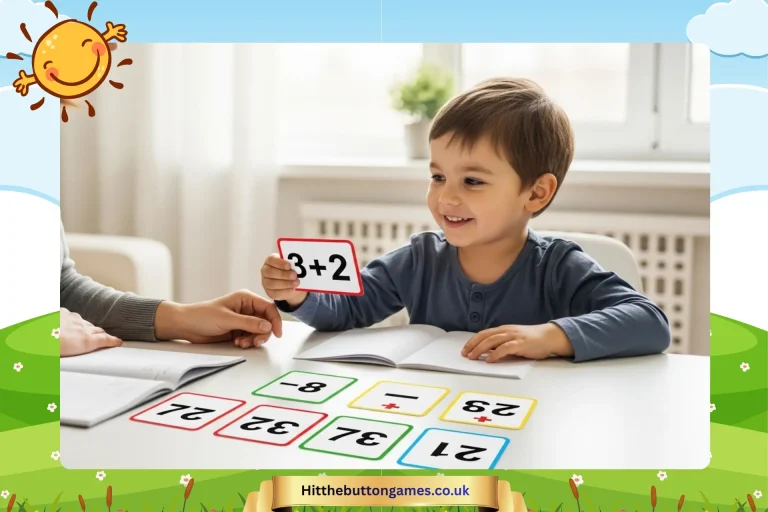
- flashcard challenges
- estimation games
- online math quizzes
Games keep students motivated and reduce math anxiety.
Many parents also use books to improve their child’s math thinking.
Popular mental math books teach shortcuts, patterns, and strategies.
Some learners enjoy titles like The Secrets of Mental Math, which explains interesting number tricks and thinking methods. Some readers also search for resources like secrets of mental math pdf or other guides that explain the secret of mental math techniques step by step.
A good math book should focus on understanding numbers instead of just memorizing tricks.
Teachers can easily include math in daily lessons.
Start Class with Quick Questions
Begin each lesson with 5 fast questions. This warms up students’ brains.
Use Group Challenges
Divide students into teams and solve problems quickly. Friendly competition increases engagement.
Encourage Different Methods
Allow students to explain how they solved a problem. Many answers can be correct using different strategies.
This builds confidence and flexible thinking.
Parents do not need special training to help children improve.
Simple daily activities can build strong math thinking.
Practice During Daily Life
Ask small questions during everyday tasks.
Examples:
- If we buy two items for 15 each, how much is the total?
- If we have 50 and spend 18, how much remains?
Real life math makes learning meaningful.
Use Fun Challenges
Turn calculations into small competitions.
For example, ask your child to solve three quick problems before you finish counting to ten.
Track Progress
Celebrate improvements in speed and accuracy. Positive encouragement helps children stay motivated.
Many learners struggle because of common habits.
Rushing Too Quickly
Speed should come after accuracy. Students should first understand the method clearly.
Memorizing Without Understanding
Some students try to memorize answers. It is better to learn number patterns and strategies.
Practicing Too Much at Once
Short daily sessions work better than long practice sessions.
This is useful in many real world situations.
Students use it when:
- calculating money while shopping
- estimating travel time
- splitting bills
- checking discounts
These everyday situations show why math remains valuable throughout life.
Mental math is one of the most powerful learning tools for young students. It teaches children how numbers work, improves brain skills, and builds confidence in solving problems.
With regular mental math practice, engaging math games, helpful mental math worksheets, and supportive teachers or parents, students can develop strong mathematical thinking that will support them for years.
The key is simple. Start small, practice often, and make learning enjoyable. Over time, children will naturally discover the real secrets of mental math and begin solving problems with speed and confidence.